
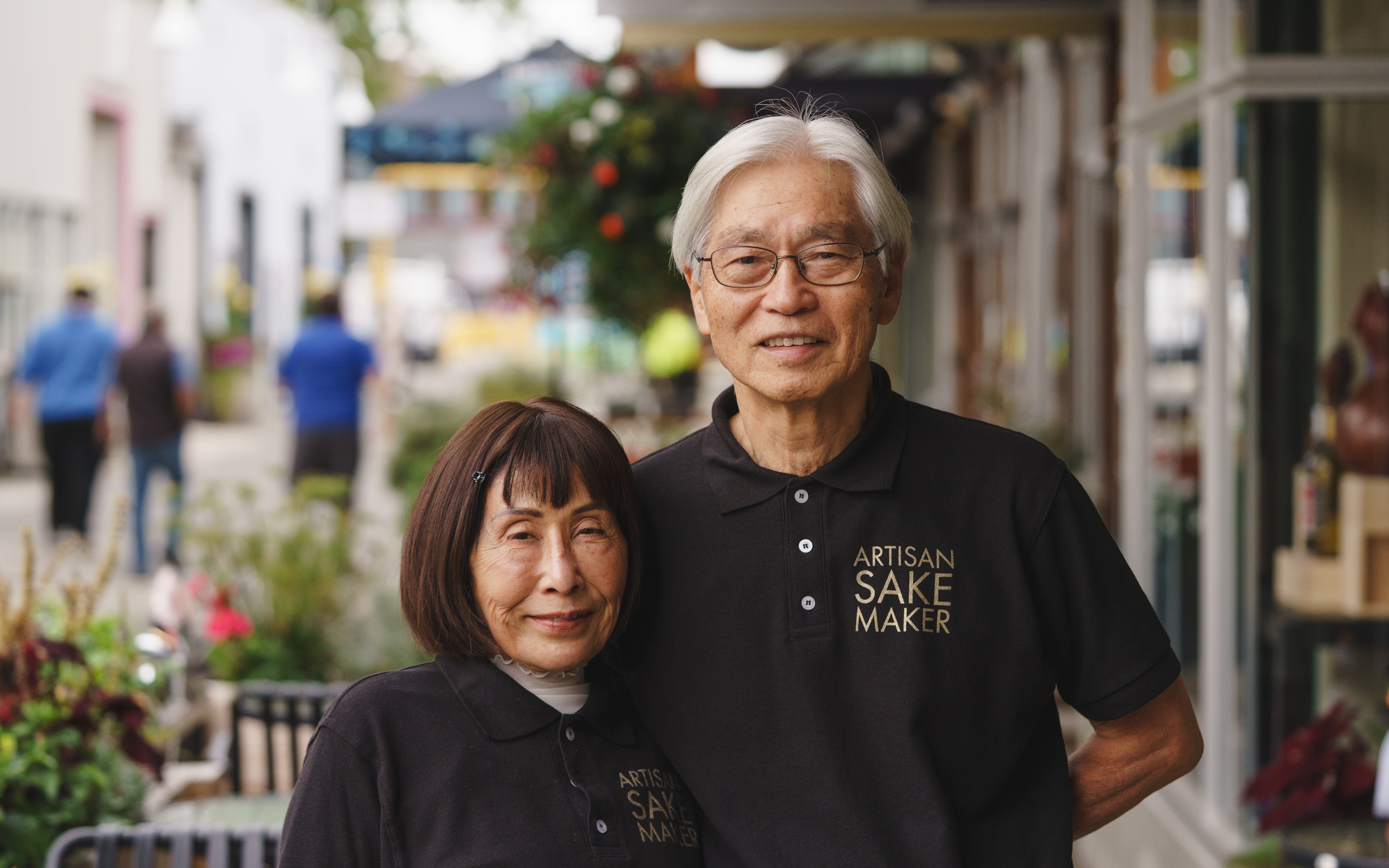
On Granville Island, tucked among artists’ studios, food producers, and waterfront views, a quiet revolution has been brewing for the past two decades.
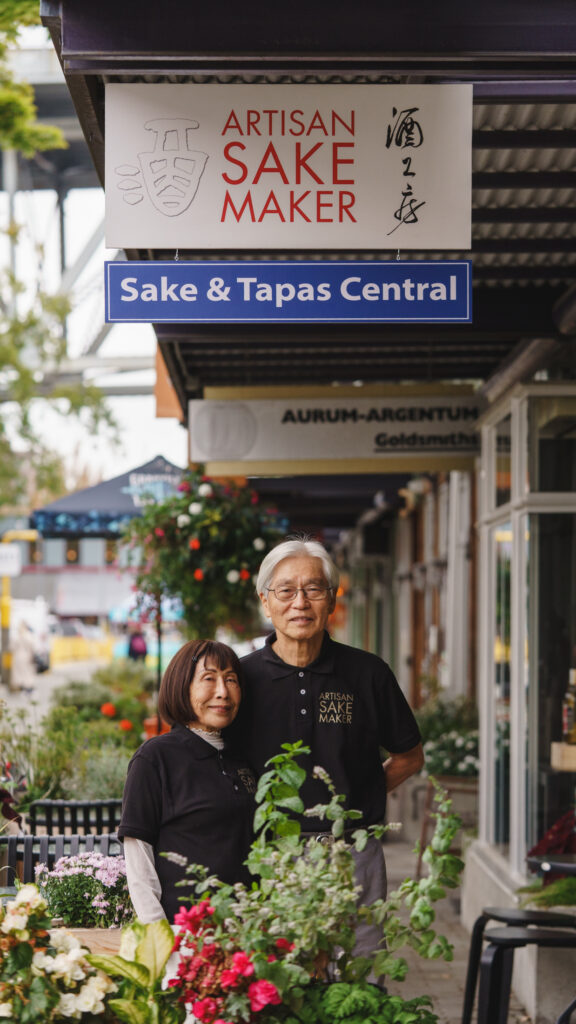
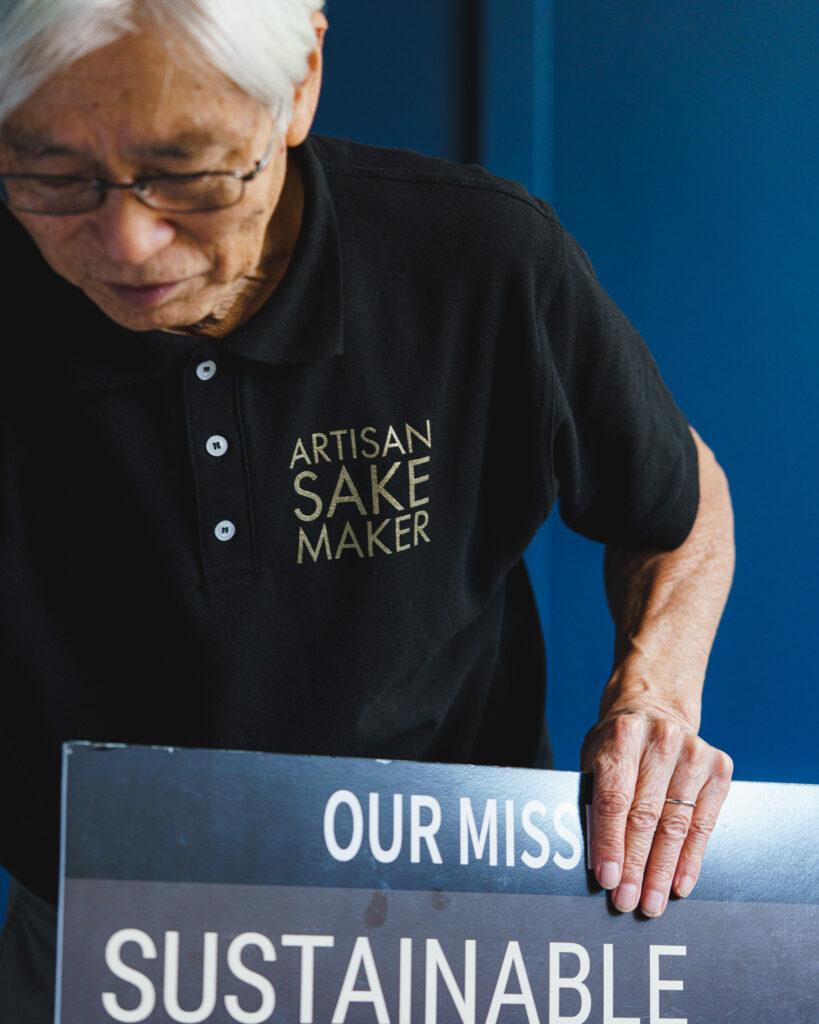
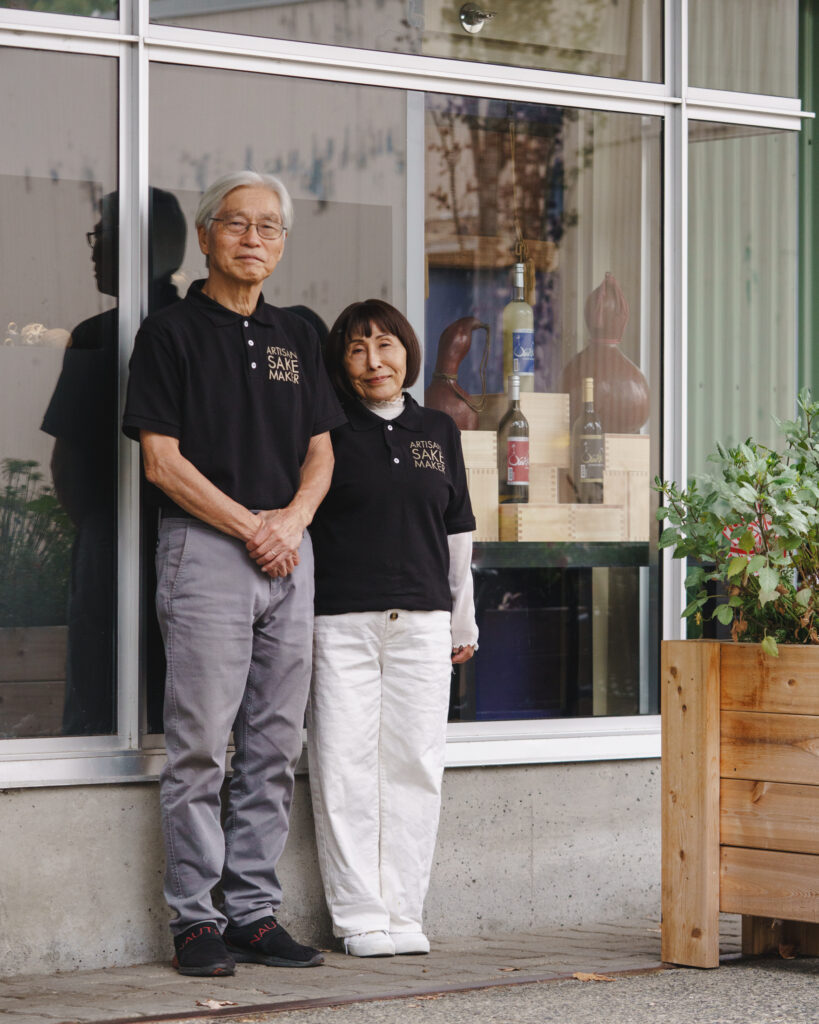
Long before sake became a staple on wine lists, appeared in chef-driven tasting menus, or found its way into skincare products, Masataka “Masa” Shiroki and his wife Yukiko were introducing Canadians to a different way of thinking about Japan’s iconic rice wine. Today, as Artisan SakeMaker celebrates its 20th anniversary, the Vancouver-based company stands as one of Canada’s original sake producers—and one of its most influential.
What began as a vision to create sake with local meaning has grown into a multifaceted business encompassing OSAKE, its award-winning small-batch sake collection; CMC Sake + Wine Merchants, an import and education division; Sake & Tapas Central, a tasting lounge on Granville Island; BC-grown rice initiatives; and even a skincare line made from sake kasu, the nutrient-rich lees left after during fermentation.
For Masa, the challenge in the early years wasn’t convincing sommeliers to pay attention—it was convincing the broader public.
“I was certain wine professionals would take interest in sake,” he says. “The question was whether the public would take interest in it.”
At the time, many Canadians associated sake with tiny ceramic cups and steaming-hot pours. Masa saw an opportunity to change the narrative.
“I used the message ‘Sake is Wine’ because it’s translated as rice wine in English,” he explains. “I wanted people to understand sake with the same curiosity and respect they bring to wine.”
That philosophy became the foundation for OSAKE, a collection specifically designed for West Coast dining. Rather than simply replicating traditional Japanese styles, Masa carefully balanced centuries-old brewing techniques with flavour profiles that would pair naturally with Canadian ingredients and contemporary restaurant menus.
“Keeping the tradition by being true to the original way of making sake, but making technical adjustments in aroma and flavour characteristics was a critical strategy,” he says. “It helped earn acceptance from the public.”
Today, that acceptance is everywhere.
Artisan SakeMaker’s rice and sake kasu now appear in acclaimed restaurants including Pearl Morissette, Pluvio, The Acorn, Tojo’s, Burdock & Co., and Kishimoto. Its collaborations stretch from chocolate makers and cheesemakers to breweries and skincare innovators.
For Yukiko, education remains at the heart of everything they do.
“The biggest misconception people still have is that sake should be served piping hot,” she says. “People are realizing that sake is rice wine and something to enjoy for its flavour, texture, and aroma.”
That spirit of discovery comes alive daily at Sake & Tapas Central, the couple’s intimate tasting room located beside the production facility. Here, guests sample sake flights, cocktails, and small plates while learning the stories behind the bottles.
“Quite a few people come in saying, ‘I don’t know anything about sake,’” Yukiko says with a laugh. “I always tell them they don’t have to know anything. This is the place where you try and enjoy something you may not have tried before.”
The Shirokis’ ambitions, however, extend far beyond the tasting room.
One of the most fascinating chapters in Artisan SakeMaker’s story is its ongoing commitment to growing rice in British Columbia. Through trial plots and farming partnerships in Abbotsford, the company is exploring how sake production can contribute to the future of Canadian agriculture. The next phase includes experimenting with dry, direct-seeded upland rice cultivation, a potentially significant development as climate pressures and food security concerns continue to grow.
“Our work has always been about more than making sake,” says Masa. “The long-term goal is to help build a future for rice cultivation and rice wine production in Canada.”
Twenty years in, neither Masa nor Yukiko speaks as though they’ve arrived at a destination.
“We are still standing here,” Yukiko reflects. “From the very beginning, our goal was to break down barriers and misunderstandings and make sake a household drink.”
Judging by the growing popularity of sake across Canada—and the packed tasting flights being poured daily on Granville Island—that journey is only just beginning. —Noa Nichol
share:

Be the first to comment