
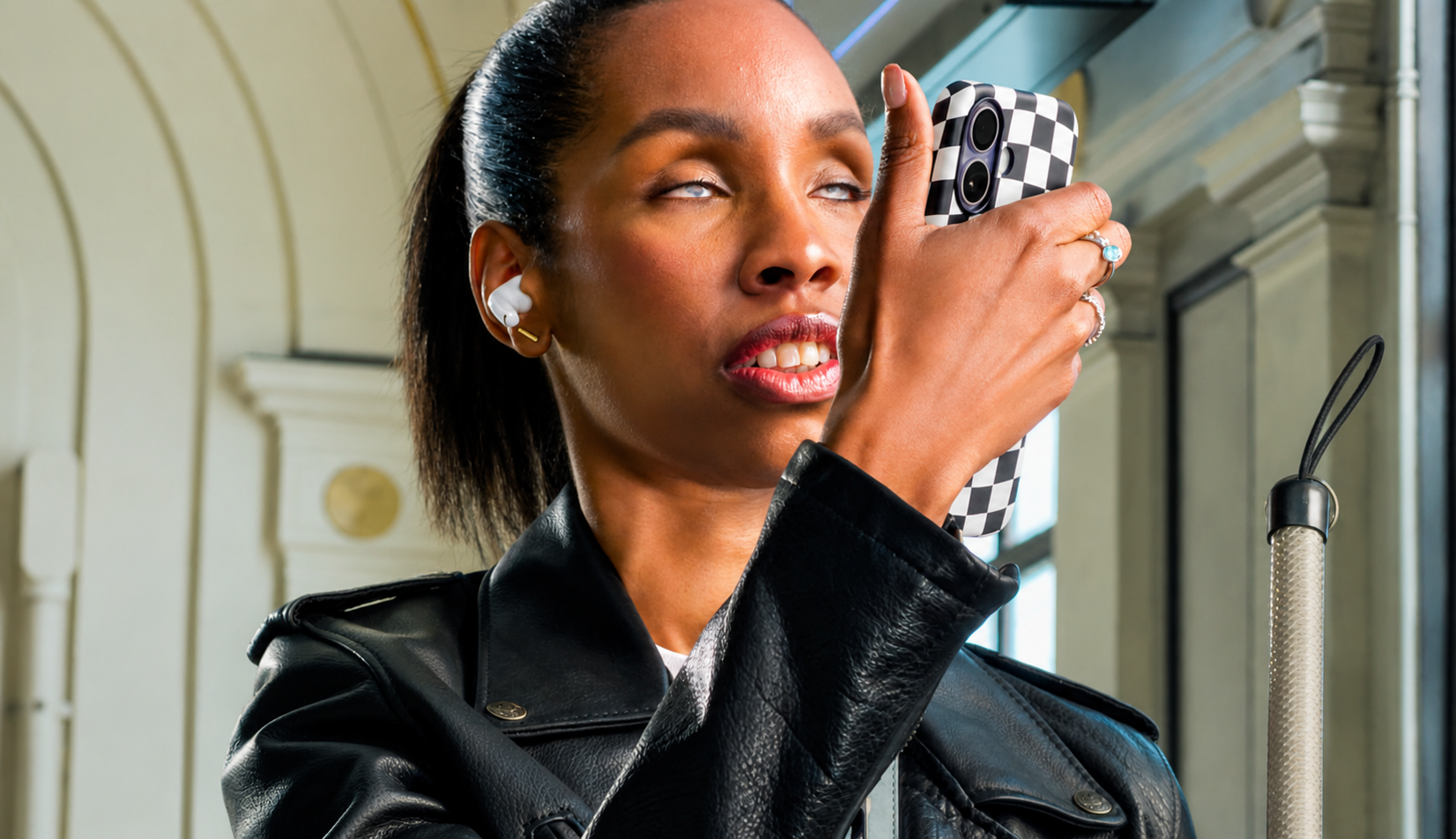
Technology should work for everyone—and increasingly, that’s exactly what Apple is building.
While new iPhones, Apple Watches and AirPods often make headlines for their cameras, processors and sleek designs, some of their most meaningful innovations are quietly changing everyday life for people living with disabilities, chronic health conditions and age-related challenges. From helping someone communicate after losing their voice to detecting hearing changes or calling for help after a serious fall, Apple‘s accessibility and health features are proving that good design isn’t just about convenience—it’s about inclusion.
Here’s how some of Apple’s most powerful products are making a difference.
AirPods Are Becoming Hearing Health Devices
If you’ve only been using your AirPods to stream playlists or answer calls, you might be surprised to learn they’re evolving into sophisticated hearing support tools.
Recent software updates allow compatible AirPods Pro models to function as over-the-counter hearing aids for adults with mild to moderate hearing loss in supported regions. Users can also take a clinically validated Hearing Test at home, then automatically personalize their listening experience based on the results.
Conversation Boost helps amplify the voice of the person directly in front of you in noisy environments like restaurants, while Live Listen transforms an iPhone into a remote microphone that streams speech directly to AirPods—especially useful during lectures, meetings or family gatherings.
For millions experiencing gradual hearing loss, these features help reduce one of the biggest barriers to staying socially connected.
Apple Watch Is Quietly Becoming One of the Best Wellness Tools You Can Wear
The Apple Watch has evolved far beyond counting steps.
Its health features now include heart-rate notifications that can alert users to unusually high or low heart rates, irregular rhythm notifications that may indicate signs of atrial fibrillation, ECG capabilities on supported models, sleep tracking and overnight breathing metrics.
Safety features like Fall Detection and Crash Detection can automatically contact emergency services if a user experiences a serious fall or vehicle collision and doesn’t respond.
For many older adults or those managing chronic health conditions, these tools provide added peace of mind—not because they replace medical care, but because they help people notice changes sooner and seek help when needed.
Your iPhone Can Speak—Even If You Can’t
One of Apple’s most remarkable accessibility innovations is Personal Voice.
Designed for people at risk of losing their ability to speak due to conditions such as ALS or other progressive neurological diseases, the feature allows users to create a digital version of their own voice by reading a series of short phrases before speech becomes difficult.
Combined with Live Speech, users can then type what they want to say during phone calls, FaceTime conversations or in-person interactions, and their device speaks using their own synthesized voice.
It’s an innovation that preserves not just communication—but identity.
Seeing the World a Little More Clearly
Apple has also invested heavily in helping people with vision loss navigate everyday life more independently.
Magnifier transforms the iPhone or iPad into a powerful digital magnifying glass, making menus, medication labels and printed documents easier to read.
VoiceOver provides spoken descriptions of what’s happening on the screen, while Zoom, Display Accommodations and Spoken Content allow users to customize visual experiences based on their individual needs.
More recently, features like Point and Speak combine the camera and LiDAR scanner on supported devices to help users locate and read labels on household appliances simply by pointing the phone.
Making Everyday Sounds More Accessible
For people who are Deaf or hard of hearing, Apple devices can do much more than amplify sound.
Sound Recognition can alert users when it detects important sounds such as smoke alarms, doorbells, crying babies or barking dogs.
Live Captions automatically generate real-time captions during FaceTime calls, videos and other audio content, making conversations more accessible.
Apple has also introduced Music Haptics, allowing users who are Deaf or hard of hearing to experience songs through synchronized vibrations and taps that follow the rhythm of the music.
Accessibility That Helps Everyone
One of Apple’s biggest strengths is that many accessibility features end up benefiting everyone.
Voice Control allows hands-free navigation for people with mobility challenges—but it’s equally useful when cooking dinner.
Assistive Access simplifies the iPhone interface for users with cognitive disabilities while creating a cleaner, less overwhelming experience for seniors or first-time smartphone users.
Guided Access helps children stay focused on one app at a time, and Eye Tracking enables users with significant mobility impairments to navigate iPad and iPhone using only their eyes on supported devices.
Technology With Empathy Built In
As conversations around artificial intelligence, wearable technology and digital health continue to evolve, Apple has increasingly positioned accessibility not as a niche category, but as a core part of product design.
The result is technology that doesn’t simply add features—it removes barriers.
Whether it’s helping someone hear a grandchild more clearly, preserving a person’s voice after a life-changing diagnosis, alerting emergency responders after a fall or making everyday conversations easier to follow, these innovations demonstrate that some of the most impactful technology isn’t necessarily the flashiest.
Sometimes, it’s simply the technology that helps more people participate fully in everyday life. —Noa Nichol
share:

Be the first to comment