
Why LED Light Therapy Has Become a Leading Non-Invasive Skin Treatment
LED light therapy has moved from being a niche beauty add-on to one of the most requested non-invasive skin treatments in modern clinics. The reason is simple: people want visible support for their skin without needles, harsh resurfacing, long recovery time or treatments that leave them hiding indoors for days. LED therapy fits neatly into that gap. It is gentle, comfortable, easy to build into a skincare routine and suitable for a wide range of people who want their skin to look calmer, brighter and better supported over time.
Unlike many trend-led treatments, LED light therapy is based on the use of selected light wavelengths. Different wavelengths interact with the skin in different ways. Red light is widely associated with skin rejuvenation and support for collagen-focused treatment plans. Blue light is commonly chosen for blemish-prone or oily skin. Near infrared light is often used when deeper skin support is wanted. A professional consultation helps match the wavelength and treatment plan to the concern rather than simply placing everyone under the same light for the same reason.
Professional vs Home LED Devices
This is where clinic-based treatment can feel very different from buying a small home device. At-home masks and panels may be convenient, but they can vary greatly in strength, wavelength accuracy, coverage and treatment consistency. Professional systems are designed to cover the treatment area evenly and are usually used with a structured plan. For anyone researching medical-grade LED light therapy, the biggest advantage is not only the machine itself but also the way the treatment is selected, timed and repeated to suit the skin goal.
A Comfortable Treatment with No Downtime
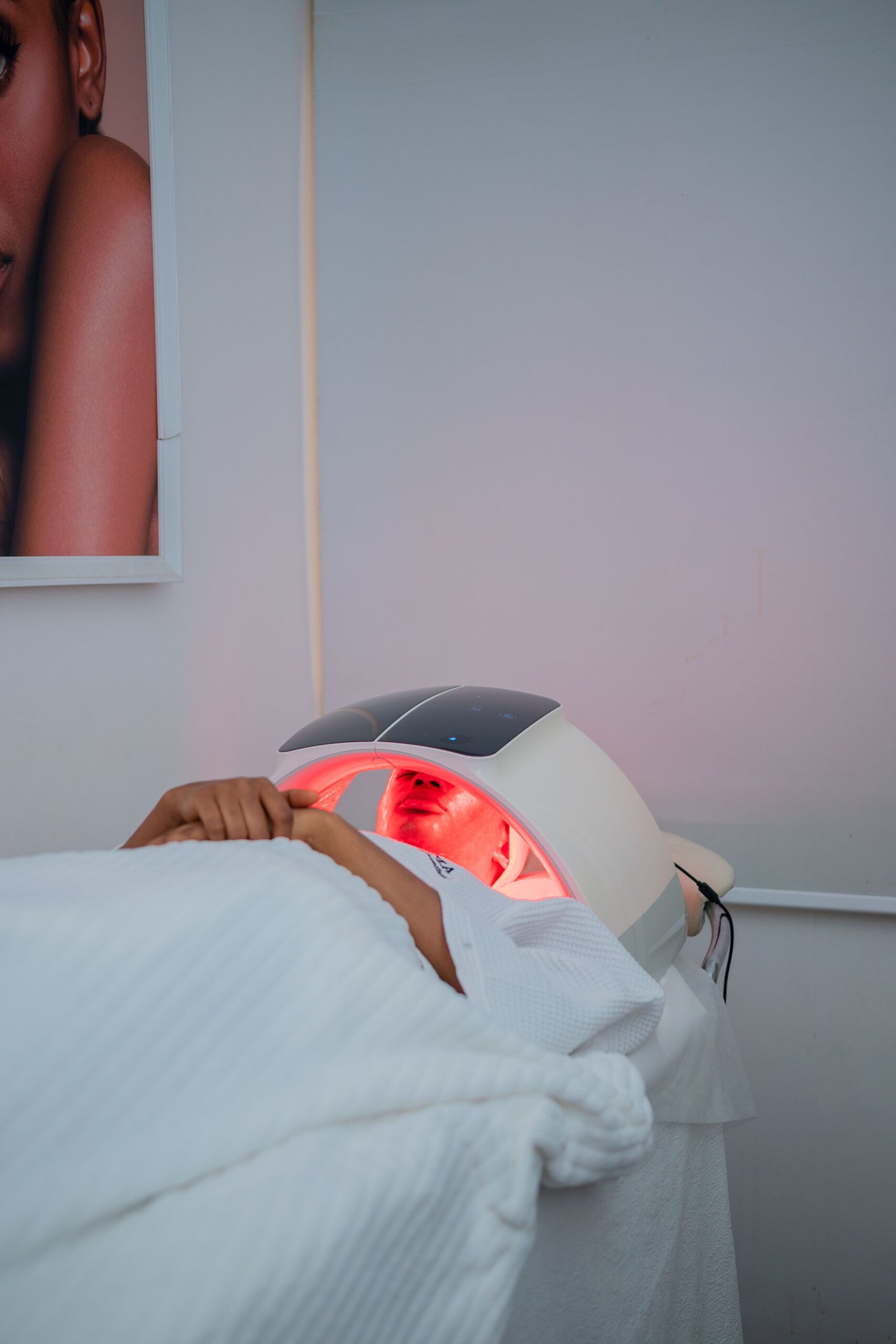
One of the main reasons LED therapy has grown in popularity is that it does not usually require downtime. Many people do not want a treatment that makes the skin peel, swell or bruise. They want something that can be done before work, during a lunch break or before an event without creating obvious signs that a treatment has been performed. LED therapy is normally relaxing, quiet and simple. Clients lie beneath the light while the chosen wavelengths are applied to the skin. Afterwards, they can usually return to normal daily life.
Suitable for Different Skin Types and Age Groups
Another reason the treatment has become more mainstream is that it appeals to different age groups. Younger clients may be interested in blue light therapy for the appearance of breakouts and congestion. Clients in their thirties, forties and beyond may choose red light because they want support for dullness, fine lines, texture and general skin vitality. Others may be drawn to near infrared because they are looking for deeper support or a broader wellness-focused approach. This flexibility makes LED a useful treatment category rather than a single-purpose facial add-on.
Supporting Skin Barrier Health
Skin barrier health is another reason LED has become popular. Many people have overused exfoliating acids, retinoids or strong active products at home. While these products can be useful, they can also leave the skin feeling sensitive, dry or reactive when used too aggressively. LED therapy is not an exfoliating treatment. It does not scrape, burn or peel the surface. For clients who want a calmer option, this can make it easier to maintain a treatment routine without constantly irritating the skin.
Benefits of Red LED Light Therapy
Red LED light is often chosen by people who feel their skin looks tired, flat or less firm than it used to. The treatment is commonly included in plans that focus on skin rejuvenation, healthy-looking glow and collagen support. It is important not to present LED as a miracle cure or instant facelift. The more realistic view is that it can support the skin gradually when performed consistently. Like exercise for the body, results are usually built over time rather than appearing fully after one session.
How Blue LED Light Helps Blemish-Prone Skin
Blue LED light is often discussed in relation to blemish-prone skin. Many people with breakouts feel stuck between harsh products and doing nothing. Blue light gives clinics another option to include in a plan for clearer-looking skin. It can be especially appealing to people who find strong topical ingredients difficult to tolerate. A proper approach may also include cleansing routines, product advice and regular treatment spacing rather than relying on light alone.
The Role of Near Infrared Light
Near infrared light has also gained attention because it reaches beyond the very surface layers. In professional settings, it is often combined with red light to create a more complete treatment. People interested in recovery, inflammation support or deeper tissue-focused treatments may find this wavelength particularly interesting. It has helped broaden LED therapy beyond the idea of a standard beauty facial and into the wider wellness and skin health conversation.
Why a Professional Consultation Matters
A good LED treatment should still begin with a sensible consultation. Even gentle treatments should be matched to the individual. The practitioner should ask about the skin concern, recent procedures, medications, sensitivity, pregnancy, light sensitivity and any relevant medical history. The treatment may feel simple, but the decision about whether it is appropriate should not be casual. This is one of the differences between a professional clinic approach and simply following a trend online.
The Importance of Treatment Consistency
Consistency matters. A single LED session can leave the skin looking refreshed for some people, but the real value is usually seen through a course. Clinics often recommend a number of treatments close together, followed by maintenance sessions. This allows the skin to receive repeated exposure to the selected wavelength. The exact plan depends on the concern, the device, the client’s skin and the result being targeted. This is why it is better to think of LED therapy as part of a programme rather than a one-off luxury facial.
Combining LED Therapy with Other Treatments
LED also works well alongside other non-invasive treatments. It may be used after certain facials to calm the skin, alongside skin maintenance plans, or as a supportive step for clients who are not ready for stronger procedures. Its gentle nature is part of its appeal. Many people want improvement but do not want to look dramatically different. They want healthier-looking skin, a fresher complexion and an option that does not disrupt their routine.
Why Busy Clients Choose LED Therapy
For London clients, convenience is an important factor. People often want treatments that can be fitted into busy schedules. A no-downtime treatment is especially attractive in a city where clients may go straight from a clinic appointment to work, meetings, school runs or social plans. LED therapy suits this lifestyle well because the treatment is usually comfortable and discreet.
A Shift Towards Natural-Looking Results
The increased interest in LED also reflects a wider shift in beauty. More people are becoming cautious about aggressive treatments and exaggerated claims. They are looking for evidence-led, natural-looking and gradual options. LED therapy sits comfortably within that trend. It does not promise to replace surgery or completely transform the face overnight. Instead, it offers supportive skin care through controlled light exposure.
Choosing a Quality LED System
Of course, not every LED treatment is equal. The quality of the device, the settings used, the wavelength, the treatment distance and the consistency of the course can all affect the experience. This is why clients should look beyond the phrase “LED facial” and ask what type of system is being used, what wavelengths are available and how the treatment plan is designed. A professional clinic should be able to explain this clearly without overcomplicating the process.
A Gentle Introduction to Professional Skincare
The rise of LED therapy is also helped by the fact that it feels approachable. Some aesthetic treatments can feel intimidating to people who are new to clinics. LED is usually calm and non-threatening. There are no injections, no cutting, no loud machines and no recovery period that needs to be hidden. This makes it a good entry point for clients who want to begin taking professional skin care more seriously.
LED Therapy for Sensitive Skin
For people with sensitive skin, LED may also be appealing because it can be built slowly. A practitioner can select the wavelength and treatment frequency according to how the skin responds. This is very different from committing to a strong resurfacing treatment where the skin reaction can be more obvious. A gradual approach may be more suitable for people who want to improve their skin without feeling that they have taken a big risk.
Supporting Results with Good Skincare Habits
The best results from LED therapy usually come when it is supported by good daily habits. Sun protection, gentle cleansing, appropriate skincare products, hydration and avoiding unnecessary irritation all help. LED is not a replacement for a sensible routine. It is a professional treatment that can sit on top of that foundation. Clients who understand this are more likely to be satisfied because they see the treatment as part of a bigger skin strategy.
Why Clinics Continue to Recommend LED Therapy
For clinics, LED therapy is useful because it can address several client groups without being overly aggressive. For clients, it offers a calm and modern way to support the skin. The treatment’s growth is not surprising. It matches what many people now want from aesthetics: subtle improvement, comfort, low risk of visible downtime and a more natural-looking approach.
The Importance of Client Education
As the category continues to grow, education will become more important. Clients should know the difference between red, blue and near infrared light. They should understand that results vary and that a course is normally more effective than a single session. They should also choose clinics that explain the treatment clearly and honestly.
Setting Realistic Expectations for LED Therapy
LED light therapy is not just another passing beauty trend. It has become popular because it answers a real demand for skin treatments that are gentle, practical and professional. For anyone wanting to improve the look of their skin without aggressive intervention, professional LED therapy is now one of the most accessible options available.
Another point worth considering is client expectation. Many people now arrive at clinics after seeing dramatic social media clips, but LED therapy should be explained as a steady-support treatment rather than a dramatic instant transformation. This does not reduce its value. In fact, for many clients, that is exactly the benefit. They want something that looks natural, does not interfere with work and does not make them feel as though they have gone too far. A good practitioner will explain that results are usually assessed across a course, with the skin gradually appearing calmer, brighter and more refreshed.
The Value of Professional Guidance
Professional LED treatments also help clients understand which colour of light is right for them. Red, blue and near infrared are often mentioned together online, but they are not interchangeable. A person dealing with repeated breakouts may need a different plan from someone concerned with dullness or early signs of ageing. This is why education at the consultation stage is so important. When clients understand the reason behind the wavelength choice, they are more likely to follow the course properly and judge progress realistically.
Building an Effective Home Skincare Routine
The surrounding skincare routine can make a meaningful difference as well. A client having LED therapy while constantly using strong exfoliants, skipping sunscreen or changing products every few days may not get the best from the treatment. Clinics can add value by giving simple home-care guidance: keep the barrier calm, avoid picking, protect the skin from sun exposure and use products that match the skin type. This turns LED from a single appointment into part of a sensible skin plan.
The Relaxing Experience of LED Therapy
For many people, the treatment also has a psychological benefit. A quiet LED session can feel like a reset in a busy week. The client is not being poked, peeled or pressured into a high-intensity procedure. They can simply rest while the treatment is performed. This relaxed experience is one reason people continue with courses and maintenance sessions. In modern beauty, comfort and consistency are often just as important as intensity.
Conclusion
As demand continues to rise, clients should look for clinics that are honest about what LED can and cannot do. The strongest providers will avoid exaggerated claims, explain the technology in plain English and recommend a realistic treatment plan. LED light therapy works best when it is used thoughtfully: the right wavelength, the right device, the right frequency and the right expectations. That is why professional treatment continues to stand apart from quick home gadgets and passing trends.
share:

Be the first to comment