
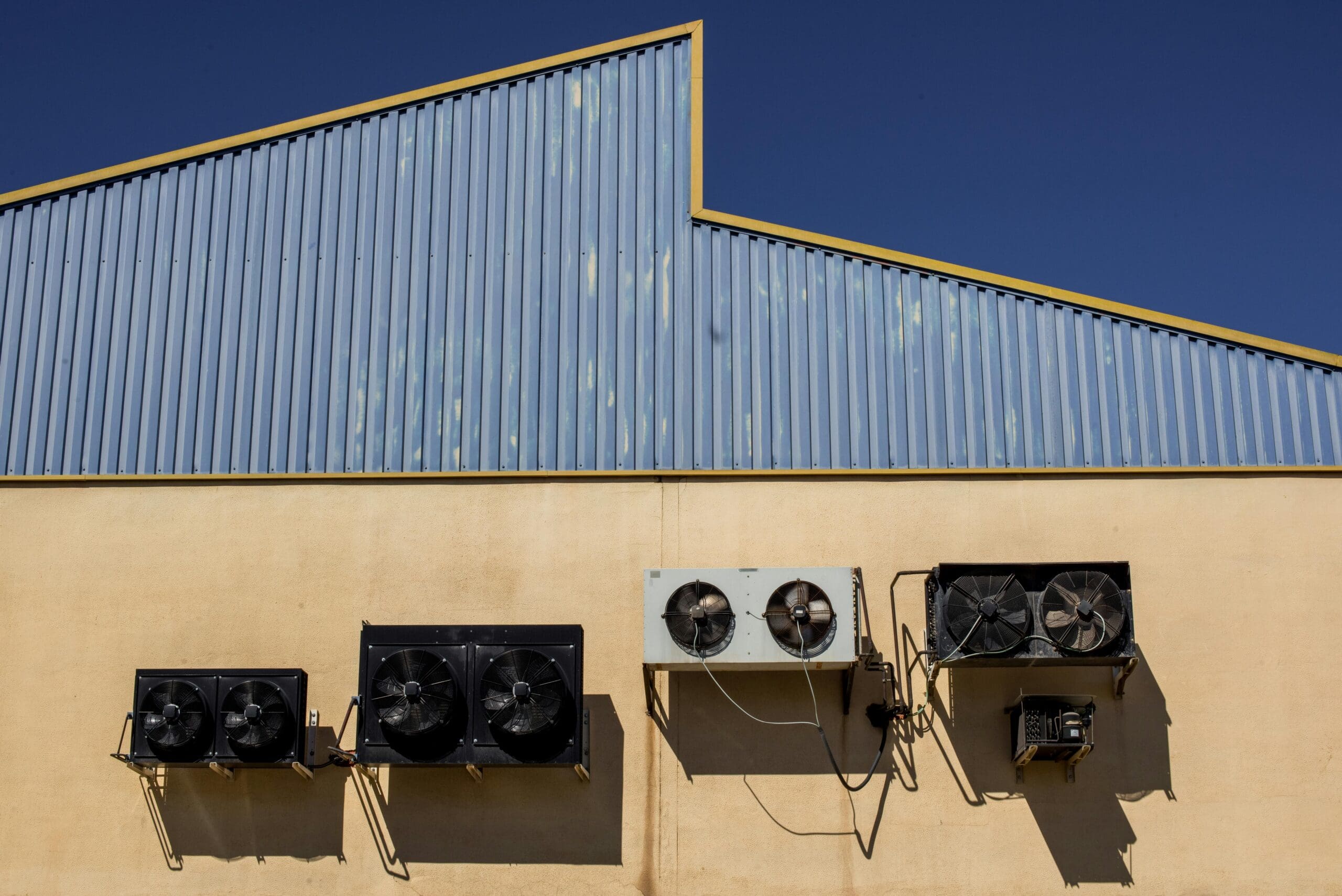
Commercial buildings that have the largest energy consumption primarily use the HVAC systems for their operation. Such systems are installed in offices, retail outlets, warehouses, and other facilities to provide comfort to the workers and customers. Commercial air conditioning services in San Jose for preventing excessive energy use and reducing HVAC costs through regular maintenance.
This guide states ten proven strategies companies can employ to save on energy costs in their HVAC system.
Implement a Preventive Maintenance Schedule
Proper maintenance is needed to reduce the energy costs of the HVAC.
The major service and maintenance operations are:
- The regular replacement or cleaning of the air filters.
- Check the levels of refrigeration and inspect the condition of the connections.
- Reduce friction between moving parts by mounting a lubricant.
Regular maintenance can help reduce your energy costs for your HVAC system, increase efficiency, and increase the life of your equipment.
Upgrade to a Programmable or Smart Thermostat
HVAC systems account for 52% of the energy used in commercial buildings. Instead of running consistent ambient temperature control on the whole day round-the-clock, ambient temperature control can automatically set the temperature in relation to occupancy levels.
Smart thermostats have the following advantages:
- Automated scheduling of temperatures.
- Mobile remote monitoring and control.
- Adaptive learning capabilities for building use.
Smart thermostats allow firms to eliminate unnecessary usage on the weekend, holidays, and at night.
Optimize Your Thermostat Settings
Commercial buildings can make the occupants very uncomfortable because they are too hot or too cold.
Some of the energy-saving measures include:
- Adjust the thermostats.
- Avoid extreme temperature swings.
- Train workers or building leaders so that they have the same settings.
A cheap method to reduce HVAC energy costs is to change thermostat settings. In the short term, this may save energy.
Seal and Insulate Your Building Envelope
Indoor temperature is controlled by the building envelope, which is comprised of the walls, windows, doors, and roof.
HVAC energy saving tips include:
- Closing of the window and door perimeter.
- Enhancing the insulation of walls and rooflines.
- Fitting windows that are energy efficient.
Maintain in building with a tight structure, in a condensed space, conditioned air, and reduced burden of the devices of the system of conditioning.
Upgrade to Energy-Efficient HVAC Equipment
Old HVAC systems tend to be, in many cases, much less efficient than modern systems.
The recent HVAC systems tend to consist of:
- High Seasonal Energy Efficiency Ratio (SEER)
- State-of-the-art compressor technologies.
- Improved heat exchangers
Even though the initial expense of upgrading equipment may be dramatic, the end result will tend to be long-term energy conservation that will fall within the budget.
Install Variable Frequency Drives (VFDs)
Variable Frequency Drives (VFD) allow the motors of HVAC to adjust their speed to demand.
Advantages of VFDs include:
- Reduced energy consumption
- Reduction in wear and tear of the equipment.
- Better atmospheric temperature control.
- Extended motor lifespan
VFDs are usually fitted on fans, pumps, and compressors to enhance the overall HVAC efficiency.
Improve Air Distribution and Ductwork
Ineffective distribution of air can also cause certain areas of a building to be either too cold or too hot; an HVAC system has to work harder.
Air Duct Typical ductwork modifications are:
- Airflow equilibrium in the building.
- Dust and debris
- Close vents and registers are to be kept clear.
This is a nicely designed and maintained ductwork system that ensures that conditioned air reaches all corners of the building effectively.
Utilize Natural Ventilation and Free Cooling
When weather conditions are favorable, carbonated ventilation and free-cooling will reduce the need for mechanical air conditioning.
Examples include:
- Use of windows when there is light weather.
- Bringing in cool outdoor air with the help of economizers.
- The installation of outdoor-changing temperature ventilation systems.
Implement Demand-Controlled Ventilation (DCV)
Demand-Controlled Ventilation (DCV) systems vary the ventilation levels depending on the number of people present in an area.
DCV systems have the following merits:
- Reduced the consumption of energy when the rooms are not used.
- Increased indoor air quality in crowded rooms.
- Appreciated cooling and heating expenses.
- Increased efficiency of the system as a whole.
The system is provided with carbon dioxide sensors as well as other devices that inform the system that it needs more ventilation.
Monitor and Analyze Energy Usage
Energy monitoring booms provide businesses with clear perceptions of the performance of HVAC units.
The important HVAC energy saving tips are:
- Small installation of BEMS.
- Monitoring the energy use over time.
- Locating equipment with too much power consumption.
- Developing energy performance objectives.
Constant observation with the help of professionals like Freon enables facility managers to identify issues early and to maintain the systems at their optimum.
Key Takeaway
A big percentage of energy consumption in a building is in commercial HVAC systems. The smart improvements enable businesses to reduce these expenses. HVAC may be made more commercial HVAC energy efficiency through preventive maintenance, thermostat upgrades, improved insulation, and equipment that is energy efficient.
share:

March 20th, 2026 at 7:29 am
The guide on “10 Effective Strategies To Cut Commercial HVAC Energy Costs” provides valuable insights for businesses looking to enhance their energy efficiency. Implementing a preventive maintenance schedule is crucial, as it not only reduces energy costs but also extends the lifespan of HVAC systems. Upgrading to smart thermostats and optimizing thermostat settings can significantly cut unnecessary energy consumption, especially during off-hours.
Moreover, sealing and insulating the building envelope, along with upgrading to energy-efficient HVAC equipment, can lead to substantial long-term savings. The inclusion of Variable Frequency Drives (VFDs) and improved air distribution strategies highlights the importance of modern technology in optimizing HVAC performance.
I particularly appreciate the emphasis on natural ventilation and demand-controlled ventilation, which can greatly enhance indoor air quality while reducing reliance on mechanical systems. Monitoring and analyzing energy usage is another excellent strategy that empowers facility managers to make informed decisions.
Overall, these strategies not only promote sustainability but also contribute to cost savings, making them essential for any commercial building management plan.
April 5th, 2026 at 10:23 am
Regular upkeep not only boosts efficiency but also extends equipment life, which aligns perfectly with the kind of dependable service offered by Mr Fix It Plumbing – expert maintenance & heating services. From plumbing to heating system care, having reliable professionals on call helps ensure all related systems – including HVAC components like hot water heaters and circulation lines – run efficiently and cost‑effectively. Investing in expert maintenance and equipment upgrades today can lead to significant energy savings and improved comfort tomorrow https://mfiplumbing.com/
May 20th, 2026 at 10:20 am
Excellent list — the combination of preventive maintenance and smart thermostat scheduling alone can deliver double-digit savings for most commercial buildings. I’d add that conducting an annual energy audit is worth the investment too; it often surfaces hidden inefficiencies (duct leakage, oversized equipment) that the standard checklist might miss. Great read!