

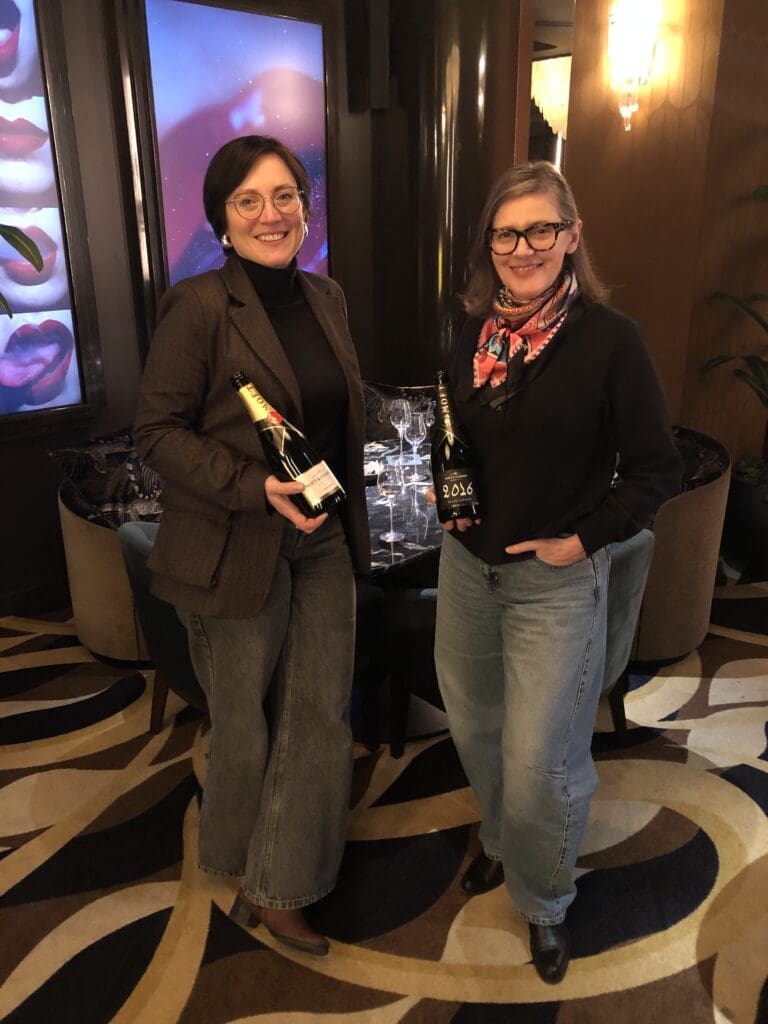
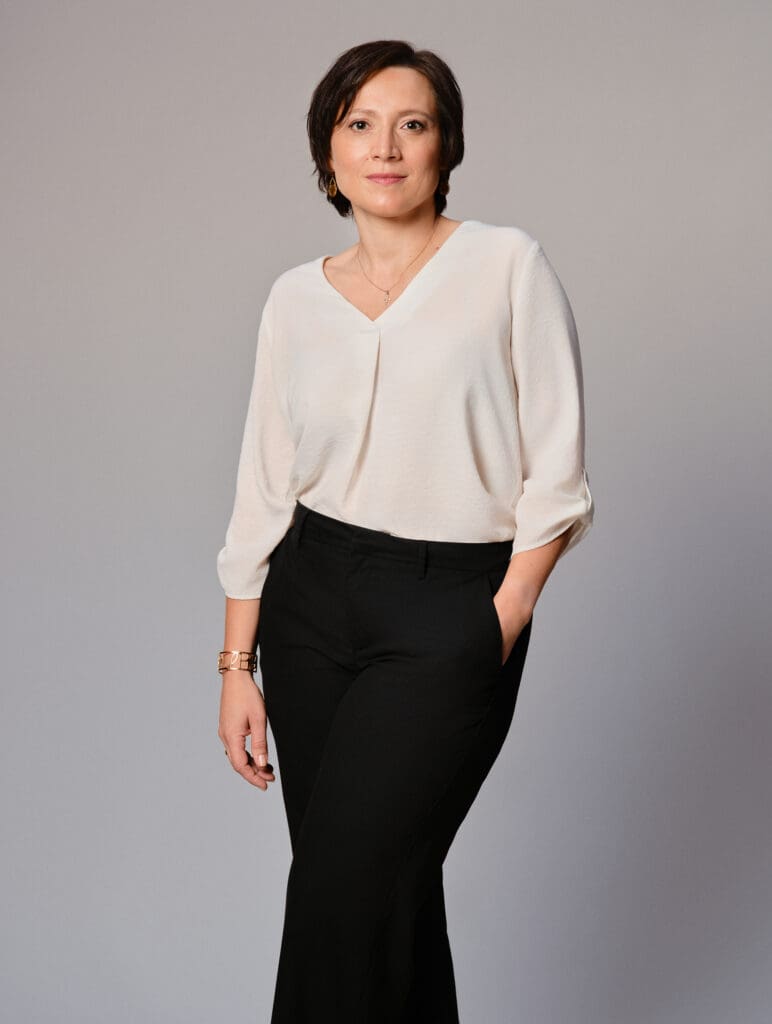
I was honoured to be invited as the only member of the media in Vancouver to interview Marie-Christine Osselin, Wine Experience Manager at Moët & Chandon. The opportunity to chat about champagne with a respected expert just flown in from France? Oui, merci indeed.
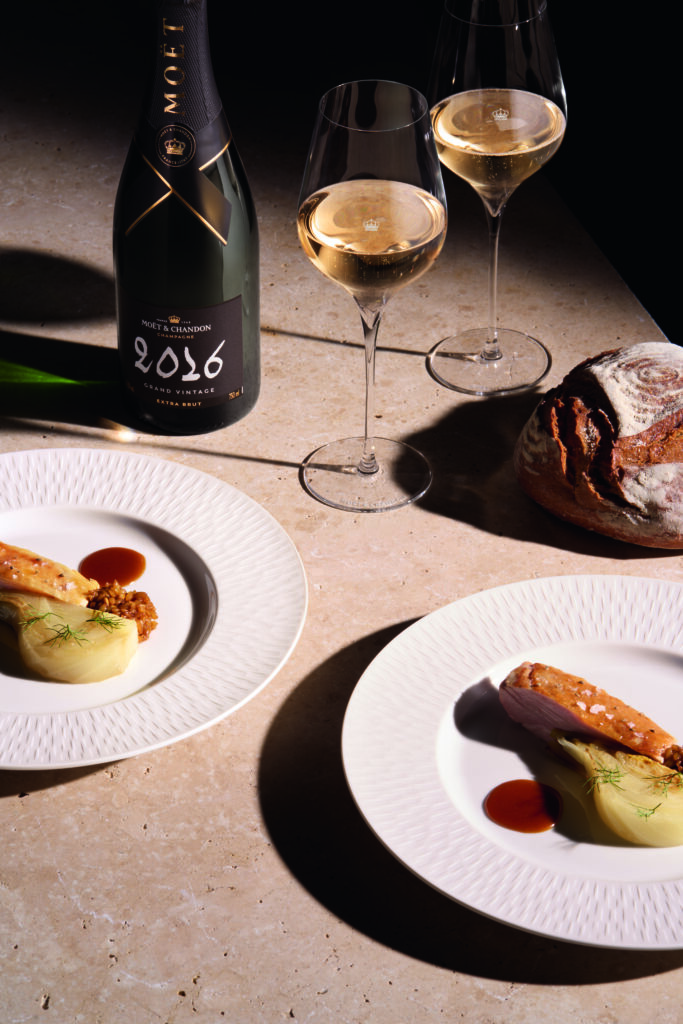
The big news from the prestigious Champagne house is the release of Moët & Chandon Grand Vintage 2016, which is in select stores now and should absolutely top your spring-sippers shopping list.
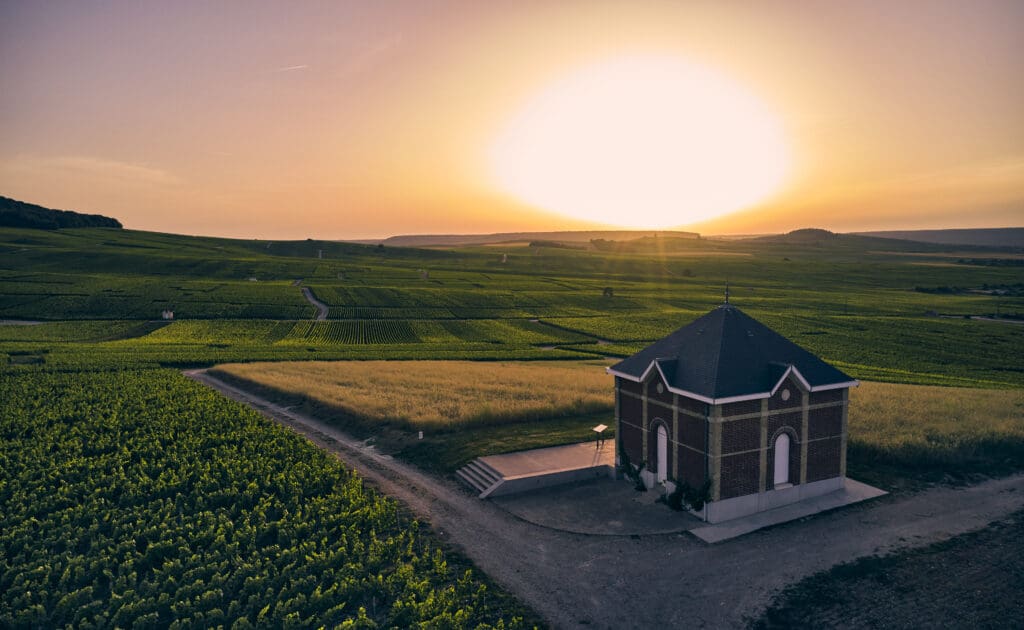
Moët & Chandon was founded in 1743, is part of the LVMH luxury group, and is one of the world’s largest champagne producers. Based in Épernay, France, 2016 was a turbulent year for an already unpredictable winemaking region. “I remember perfectly because it was my first year with the brand, and it rained all winter long,” says Ms. Osselin. “Then we had a frost in early spring, just after budding, which is the worst time to have frost. So, in terms of consequences, we lost around 50% of our production.” Add to that, the rain continued all spring, resulting in mildew, but then the weather shifted to a long, hot, dry August, which saved the usable grapes significantly.
“By some miracle, the Meuniers, Chardonnay, and Pinot Noirs were ok and really do illustrate the calm after the storm,” says Osselin. “The Grand Vintage 2016 is a way to express ourselves. Tell a new story from a vintage. It is something great rising from the ashes.”
What is it about Champagne in general that sets it apart? “Consumers know that Champagne is special, but they never quite know why,” says Osselin. “Having that certain fermentation that brings bubbles, but also that brings aromatic notes, and that finished elegance of the Champagne—that all takes time. It takes a strong dedication to detail.”
Osselin points out that the region is not obvious for winemaking: “the soil is full of chalk, which is interesting in terms of minerality for the wines, but not for the vines. It’s not that easy to grow on chalk. It’s very dry. So, growing vines in Champagne is not obvious. But the makers throughout history have developed this way to produce their wines.”
Moët & Chandon was the first to use stainless steel vats in the region, with the reasoning that “we want to express the taste of the grape variety, not the barrel,” she adds.
Osselin hints at the brand’s consistent success, saying, “for us, it’s a passion, it’s a combination of art and science. You need science to understand. And then you express yourself.” —Catherine Dunwoody
share:

Be the first to comment