
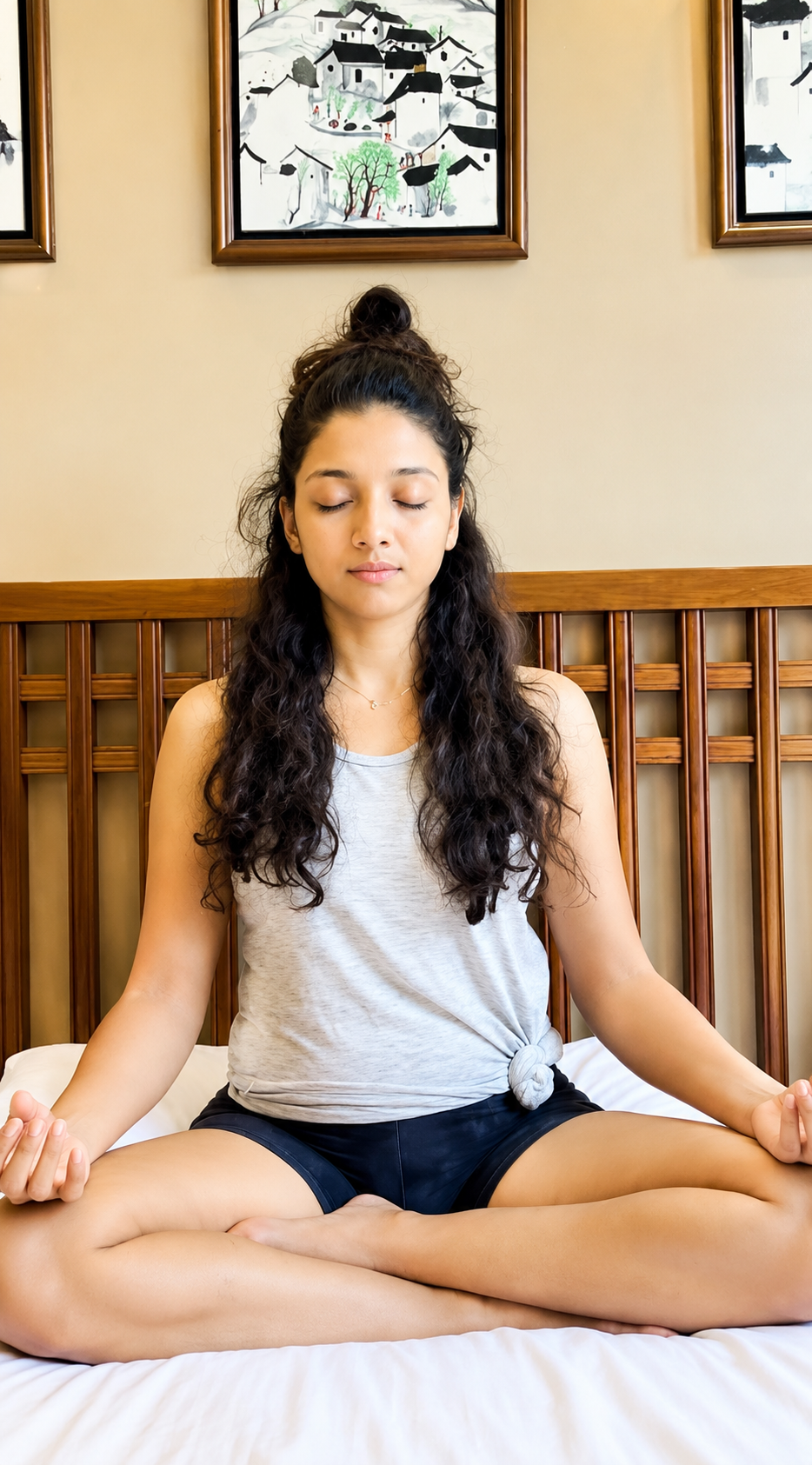
Why a Daily Meditation Practice Might Be the Most Powerful Wellness Habit You’re Not Doing
We spend countless hours trying to optimize our lives. We buy supplements. We sign up for fitness classes. We download productivity apps. Yet one of the most effective tools for improving our mental and physical well-being is completely free—and it only takes about 10 minutes a day.
Meditation has gone from a fringe wellness practice to a science-backed habit embraced by everyone from CEOs and elite athletes to healthcare professionals and busy parents. And while the image of meditation often involves lengthy silent retreats or cross-legged sessions atop a mountain, the reality is far more approachable.
In fact, research suggests that even brief daily meditation sessions can create measurable benefits.
A study published in Behavioural Brain Research found that eight weeks of brief daily meditation improved mood, attention and memory in participants. Researchers noted that consistent practice—not marathon sessions—was the key factor in seeing results.
The magic, it seems, isn’t in doing more. It’s in showing up.
What Meditation Actually Does
At its simplest, meditation is the practice of bringing your attention to the present moment.
That sounds almost too easy. Until you try it.
Most of us spend our days replaying the past or rehearsing the future. Meditation interrupts that cycle. Instead of getting swept away by thoughts, worries and endless to-do lists, we learn to observe them without becoming consumed by them.
According to the American Heart Association, mindfulness and meditation may help people manage stress, improve sleep, feel more balanced and connected, and may even support heart health.
And contrary to popular belief, the goal isn’t to stop thinking.
As renowned meditation teacher Sharon Salzberg explains, “The goal is not to eliminate thoughts” but rather to develop a healthier relationship with them.
That’s an important distinction. Meditation isn’t about becoming a perfectly calm person. It’s about becoming less reactive when life inevitably becomes messy.
Why Ten Minutes Is Enough
One of the biggest reasons people don’t meditate is because they believe they don’t have time.
The good news? Research suggests you don’t need much.
A University of Waterloo study found that just 10 minutes of daily mindfulness meditation helped anxious participants improve focus and reduce repetitive, wandering thoughts.
More recent research from the University of Bath found that as little as 10 minutes of mindfulness per day improved well-being and helped reduce symptoms associated with anxiety and depression.
Think of meditation like brushing your teeth.
Nobody expects one two-hour brushing session each month to replace daily care. The benefits come from repetition. Meditation works much the same way.
The Benefits You May Notice
While everyone’s experience is different, regular meditators often report:
- Feeling less overwhelmed by stress
- Improved focus and concentration
- Better sleep quality
- Increased emotional resilience
- Greater self-awareness
- Reduced anxiety
- More patience in relationships
- A stronger sense of calm throughout the day
Research also links meditation with improvements in attention, memory, emotional regulation and overall mental well-being.
The most surprising benefit? Many people find that meditation doesn’t necessarily change their circumstances—it changes how they respond to them.
The difficult email still arrives. The traffic still exists. The kids still melt down.
But your nervous system becomes less likely to spiral alongside them.
How to Start a Meditation Practice
The biggest mistake beginners make is trying to be “good” at meditation. There is no gold medal for having a perfectly empty mind. Instead, try this simple practice:
Step 1: Sit comfortably.
No special cushion required.
Step 2: Set a timer for five to 10 minutes.
Step 3: Focus on your breath.
Notice the inhale. Notice the exhale.
Step 4: Expect your mind to wander.
Because it will.
Step 5: Gently return your attention to your breath.
Again and again.
That’s the practice.
Every return is a repetition. Every repetition strengthens your ability to be present.
Meditation for People Who Think They Can’t Meditate
Still skeptical? Try one of these alternatives:
Walking Meditation
Take a slow walk and focus entirely on the sensation of your feet touching the ground.
Guided Meditation
Use an app or audio recording to walk you through the process.
Body Scan
Move your attention slowly from your toes to the top of your head, noticing physical sensations.
Breath Awareness
Simply count your breaths from one to 10 and begin again.
Mindful Coffee
Drink your morning coffee without scrolling your phone. Notice the aroma, warmth and taste.
Meditation doesn’t have to look like meditation.
How to Stick With It
The real challenge isn’t starting. It’s continuing. Here are a few strategies that work:
Habit Stack
Attach meditation to an existing routine. Meditate after brushing your teeth or before your first cup of coffee.
Start Smaller Than You Think
One minute daily is better than 20 minutes once a month.
Keep It Visible
Leave a cushion, chair or reminder where you’ll see it.
Track Consistency, Not Perfection
Miss a day? Start again tomorrow.
Lower the Bar
A successful meditation session isn’t one where you felt blissful. It’s one you actually did.
Research consistently shows that regular practice is more important than session length.
The Quiet Transformation
Meditation rarely delivers dramatic overnight results. Instead, it works quietly. One day you realize you didn’t snap during a stressful meeting. Or that you’re sleeping better. Or that you recovered more quickly from disappointment. The changes are subtle—until suddenly they’re not.
Ten minutes may seem insignificant in a 24-hour day. But over a year, that’s more than 60 hours spent training your mind to be calmer, kinder and more present. In a culture obsessed with doing more, meditation offers something radical: the opportunity to pause.
And sometimes, that pause changes everything. —Noa Nichol
share:

Be the first to comment