
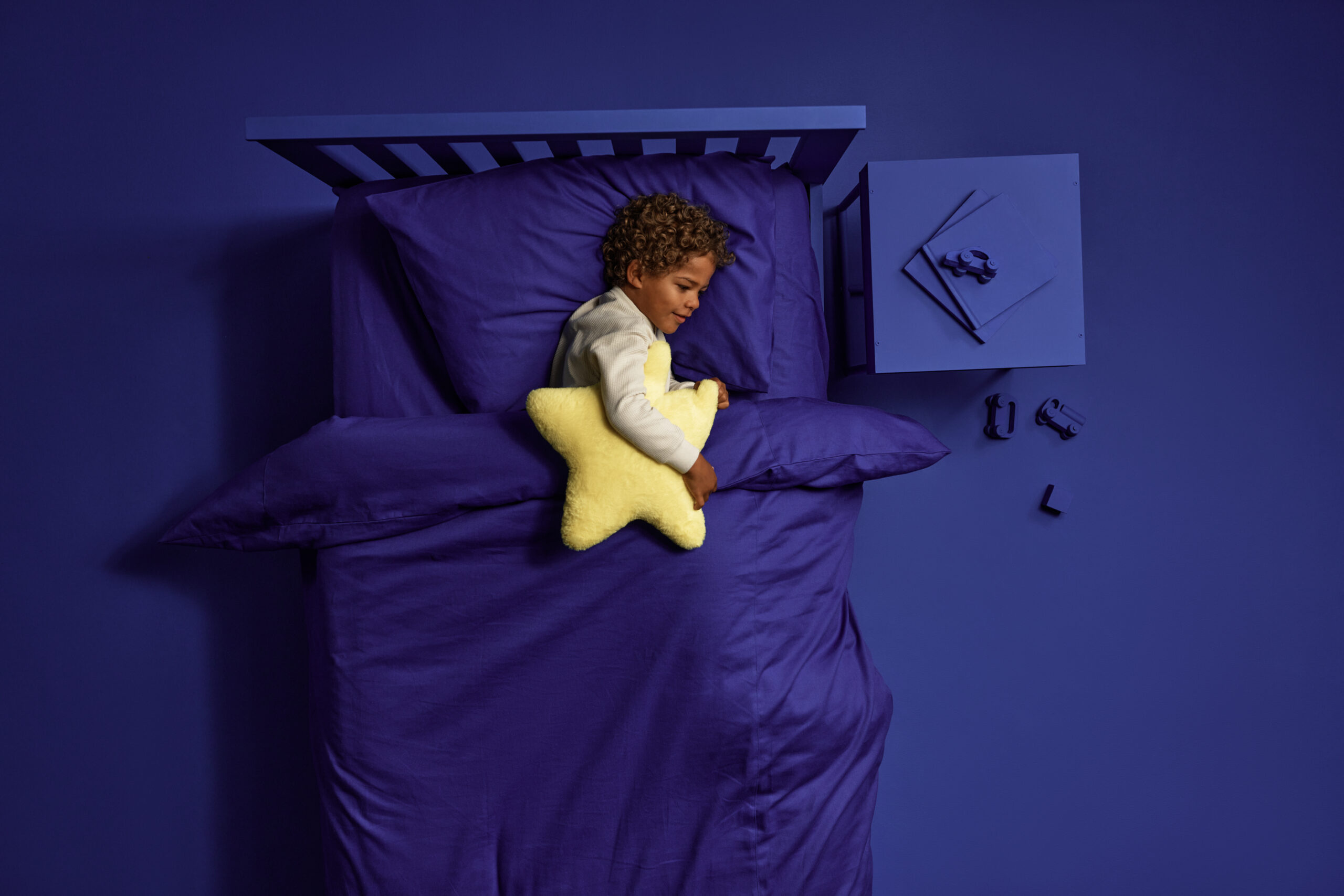
Bedwetting is more common than many parents realize—about one in six five-year-olds still wet the bed, and even 1–2% of teens are affected. In this Q&A, Rascals Customer Service Specialist Lisa Zainal-Arifin explains why regressions happen, how to respond without shame, and how Rascals Night Pants can give kids confidence while families work through night training. With practical, expert-backed insights from Dr. Olivia Reyes, expect calm, usable tips to help make mornings easier and nights less stressful. —Noa Nichol
How common is bedwetting at different ages, and when should parents stop assuming a child will “just grow out of it”?
Bedwetting is much more common than most parents realize – and it’s rarely a sign that something’s “wrong.” Around 1 in 5 children still wet the bed at age five, and even at age seven, it affects roughly 10-15% of kids (AAP, HealthyChildren.org; Paediatrics & Child Health, 2023). The good news is that the majority of children outgrow it naturally as their bodies mature – bladder size, hormone regulation, and nighttime awareness all play a part.
Most experts suggest parents start checking in with a doctor if bedwetting continues regularly after the age of seven, or if dryness was achieved, and then regression occurs for an extended period. But there’s no rush – every child’s timeline is different. The key is staying calm and supportive, and using tools that help your child feel confident in the meantime. Products like Night Pants are designed for just that – helping families stay comfortable and dry through every stage while nature takes its course.
What are the most common causes of bedwetting—physiological versus emotional—and how can parents tell the difference?
Bedwetting is usually physiological, not emotional. For most kids, theirbladder and brain aren’t yet communicating efficiently during sleep – their body hasn’t fully developed the ability to recognize a full bladder and wake up in time. Genetics can also play a role (if one or both parents were bedwetters, there’s a higher chance their child will be too), deep sleep patterns, or a small bladder capacity.
That said, emotional triggers can make bedwetting worse, especially during times of stress or change – like starting school, moving house, or welcoming a new sibling.Timing matters: if accidents suddenly begin after a major life event, stress may be playing a role. Whatever the reason, reassurance, consistency, and simple routines go a long way. Night Pants can help reduce that emotional load for both parent and child – turning wet nights into manageable ones.
Many families worry about regressions after big life changes. How do stress, sleep patterns, and developmental leaps trigger nighttime accidents?
It’s incredibly common to see setbacks during big transitions. Stress affects the body in subtle ways – kids might sleep more deeply or experience shifts in hormone balance that make bladder control harder at night. Developmental leaps, like starting school or growing quickly, can also change sleep cycles or increase fatigue.
The most helpful thing parents can do is normalize it: remind kids it’s temporary, stay patient with routines, and avoid making bedwetting a “big deal.” Keeping bedtime calm and consistent helps enormously. And on practical nights, having protective options like Night Pants gives everyone peace of mind – allowing kids to rest easy and parents to focus on reassurance, not laundry.
When should a parent seek medical evaluation for bedwetting, and what tests or red flags would you recommend watching for?
If your child is over seven and consistently wets the bed, or if dryness was achieved and then reversed for more than a few months, it’s worth checking in with your pediatrician. You should also seek advice sooner if your child experiences pain, burning, or unusual changes in urination during the day, or if bedwetting is accompanied by increased thirst or weight loss – those can be signs of an underlying medical issue.
A doctor might perform a physical exam, review family history, or run simple urine tests to rule out infection, diabetes, or constipation. In most cases, reassurance and routine are all that’s needed. But if a cause is found, early intervention can make a big difference. Even while investigating, products like Night Pants help families manage the day-to-day – supporting confidence and sleep while medical steps are explored.
How do treatments like bedwetting alarms, bladder-training exercises, or medication compare—what works best and for whom?
There’s no one-size-fits-all answer – success depends on the child and family. Bedwetting alarms are considered the most effective long-term solution, but they take consistency and patience to work. For some kids, especially heavy sleepers, alarms can feel disruptive or discouraging.
Bladder-training exercises can help increase bladder capacity and awareness during the day, but they don’t always fix nighttime wetting alone. Medications may temporarily reduce incidents by lowering nighttime urine production, but they’re usually used for short-term relief or special occasions.
For many families, supportive tools like Night Pants are the most practical starting point – helping kids stay dry and confident while their body catches up naturally. The goal is stress-free progress, not pressure.
How can parents talk to their child about bedwetting in a way that protects their self-esteem and reduces shame or anxiety?
Start by reminding your child that bedwetting is completely normal and not their fault. Avoid blame, jokes, or comparisons – even in a light-hearted tone – as kids are often more sensitive about it than they show. You might say something simple like, “Lots of kids’ bodies take extra time to stay dry at night. It’s okay, and we’ll figure it out together.”
Framing bedwetting as a shared challenge, not a personal failure, helps your child feel safe. Keep conversations private and practical and involve them in small decisions like choosing nighttime underwear or fresh sheets. Products which look and feel like real underwear, can help preserve dignity and confidence while managing the issue discreetly.
Products like Rascals Night Pants are marketed to ease burden—what role do absorbent night pants play in night training, and can they hinder progress?
Absorbent nighttime underwear plays a really positive role when used intentionally. They’re not a “crutch” – they’re a comfort tool. For kids who are still learning nighttime control, Night Pants provide security and help protect confidence. They allow kids (and parents!) to sleep peacefully without the stress of midnight bedding changes.
There’s no evidence that using products like Night Pants delays progress. In fact, by reducing anxiety and restoring normal sleep, they often support the process. You’ll know it’s time to transition when dry nights become consistent, but until then, it’s perfectly okay to use protection that makes everyone’s life a little easier.
What practical at-home strategies—fluid timing, bathroom routines, diet, managing constipation—do you recommend to reduce nighttime accidents?
Routine and balance are everything. Encourage your child to use the bathroom right before bed and aim for regular daytime toilet breaks – holding too long can stretch the bladder and make accidents more likely. Avoid sugary drinks in the evening and keep hydration steady throughout the day rather than loading up before bedtime.
Constipation is another hidden culprit. A backed-up bowel can press on the bladder, making accidents more frequent. If your child struggles with regularity, increase fibre and water intake and check with your doctor for support.
Above all, keep evenings calm. A consistent bedtime routine – maybe a bath, story, and lights out – signals the body to relax. And for those nights when accidents still happen, Night Pants help families manage easily, so everyone can sleep easy and stay dry.
For older kids and teens who still wet the bed, what additional supports (school, sleepovers, counseling) should parents consider?
Older children and teens often feel embarrassed, which can affect confidence and social life. The first step is to normalize it: let them know they’re not alone – it affects up to 2–3% of teens (AAP, HealthyChildren.org). If bedwetting is persistent, it’s worth speaking with a pediatrician or even a counselor to address any stress, anxiety, or underlying medical causes.
For practical situations like sleepovers or camps, plan ahead. Discreet nighttime underwear, like Night Pants, can be a quiet backup that preserves independence and confidence. Encourage your child to be involved in managing it – ownership helps replace shame with empowerment.
Are there long-term health or developmental concerns tied to persistent bedwetting, and how can parents partner with pediatricians to create a plan?
For most kids, bedwetting is a developmental delay – not a health problem. It doesn’t harm the kidneys, bladder, or emotional development in the long term. However, if it continues well into the teen years or comes with other symptoms (daytime wetting, pain, extreme thirst, etc.), it’s worth investigating for underlying causes.
Partnering with your pediatrician means creating a realistic plan together – combining reassurance, gradual strategies, and, when needed, medical support. In the meantime, managing the emotional and practical side is just as important. Night Pants exist to make that easier – helping families protect their nights, reduce stress, and focus on what matters most: rest, reassurance, and confidence.
share:

October 31st, 2025 at 11:58 pm
편하게 즐기는 나만의 취향, 69티비
69티비는 부담 없이 즐길 수 있는 곳이에요.
무료웹툰, 명품레플리카, 해외골프여행을 한눈에 볼 수 있어요.
여자 혼자 보기에도 편안하고 세련된 느낌이에요.
https://69intv.com
November 16th, 2025 at 5:50 am
Thank you for the information in this article. Excellent work!
November 16th, 2025 at 6:18 am
A very useful post. I truly thank you for the information contained in this article.