
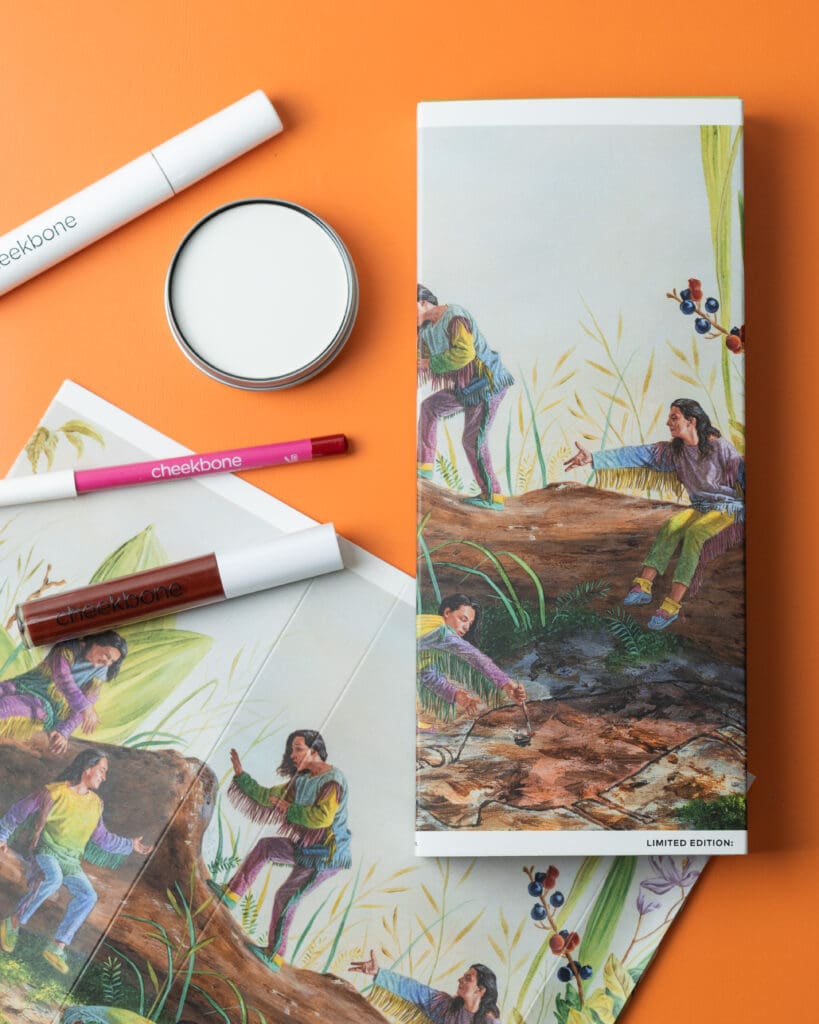
Last summer, Cheekbone Beauty released a limited-edition makeup bundle with some of the cosmetics company’s greatest hits. But what really made it special was the box. Packaged in a vibrant sleeve, the case unfolded into a large frameable print by celebrated Cree artist Kent Monkman—and quickly sold out.
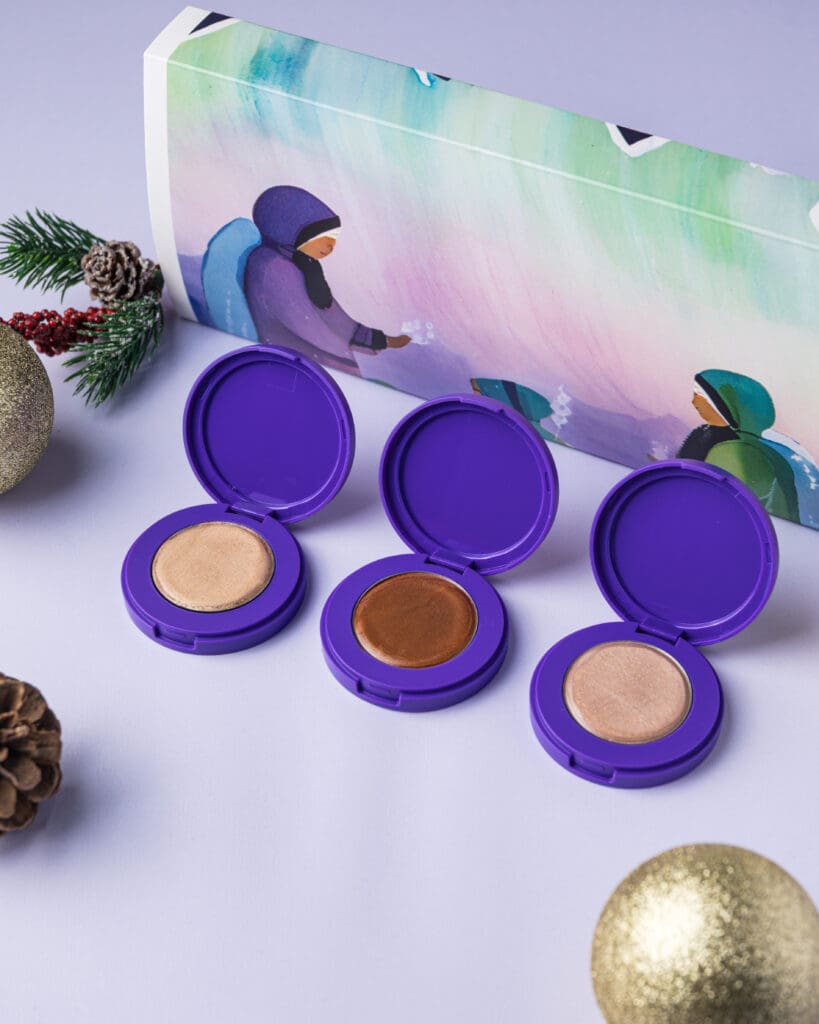
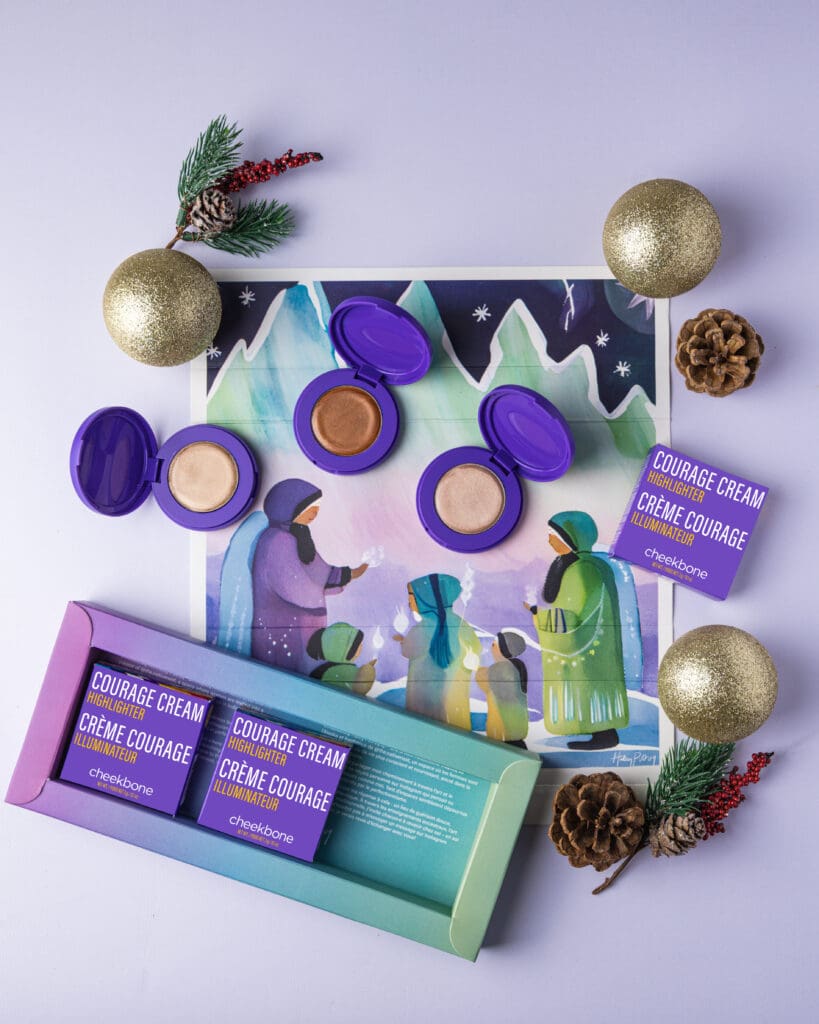
Purchasing fine art by an artist like Monkman is beyond many budgets, but collaborations like these instantly make his work more accessible. It also creates buzz, turning a product into a collector’s item.
In Cheekbone’s case, the sleeve was created under the assumption that customers would display it. “We purposely made it so it would fit a traditional frame,” says company founder Jenn Harper. From the get-go, she explains, they wondered, “How can we make it so that someone could actually use it? And the way they were able to do the die lines and the seaming; if you lay it flat, the crease from the box will eventually fade.”
Not all packaging is created quite so purposefully. Often the bag, box or bottle is meant to be discarded—turning a fleeting, often throwaway container into a canvas. But that doesn’t stop fans of the art from ensuring it gets a second life.
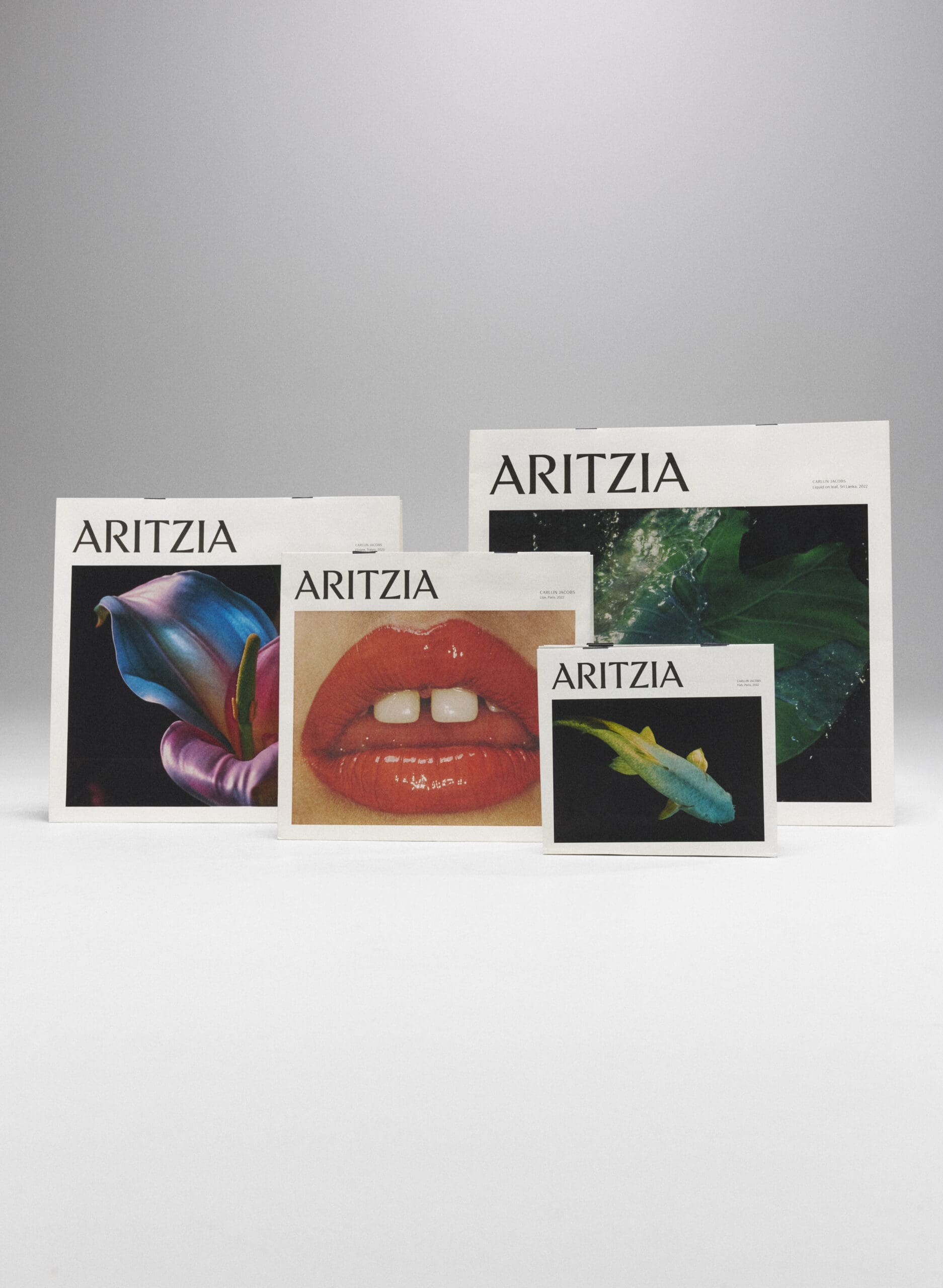
Aritzia’s “Artistic License” series splashes retail bags with works by artists and photographers like Carlijn Jacobs, and has Reddit forums and TikTok videos—including one that’s closing in on 2 million views—dedicated to ways of repurposing the art. (The synopsis: carefully clip and frame it or use it to wrap notebooks or gifts.)
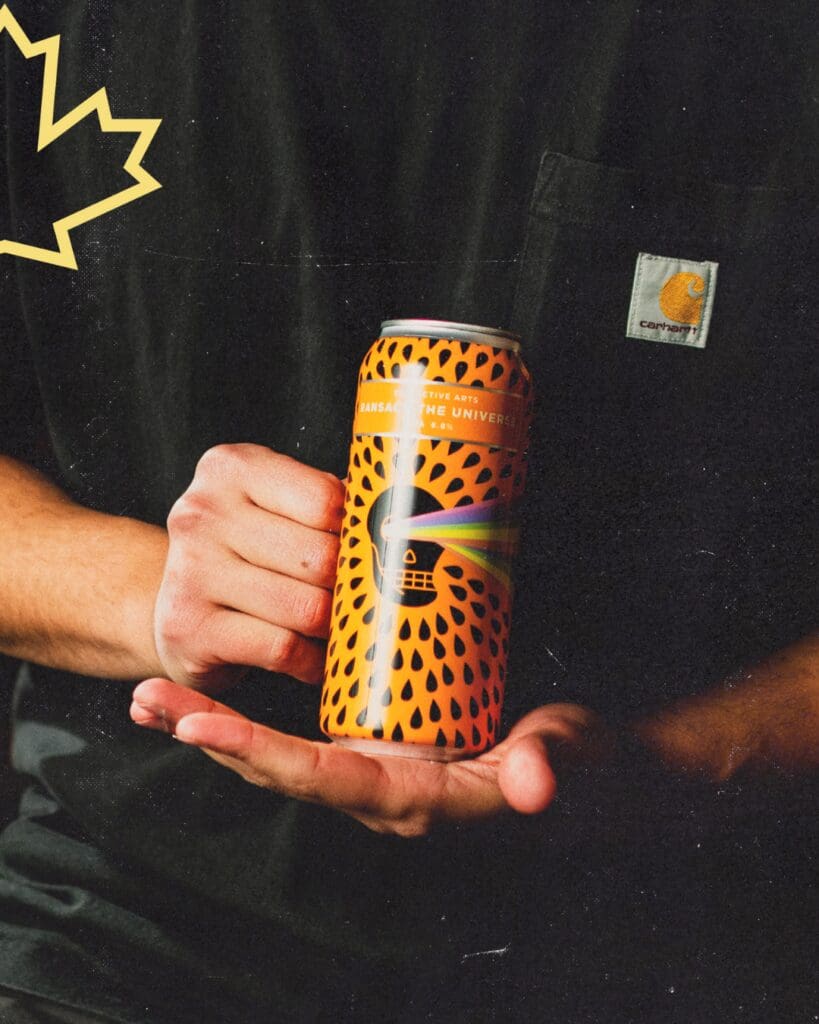
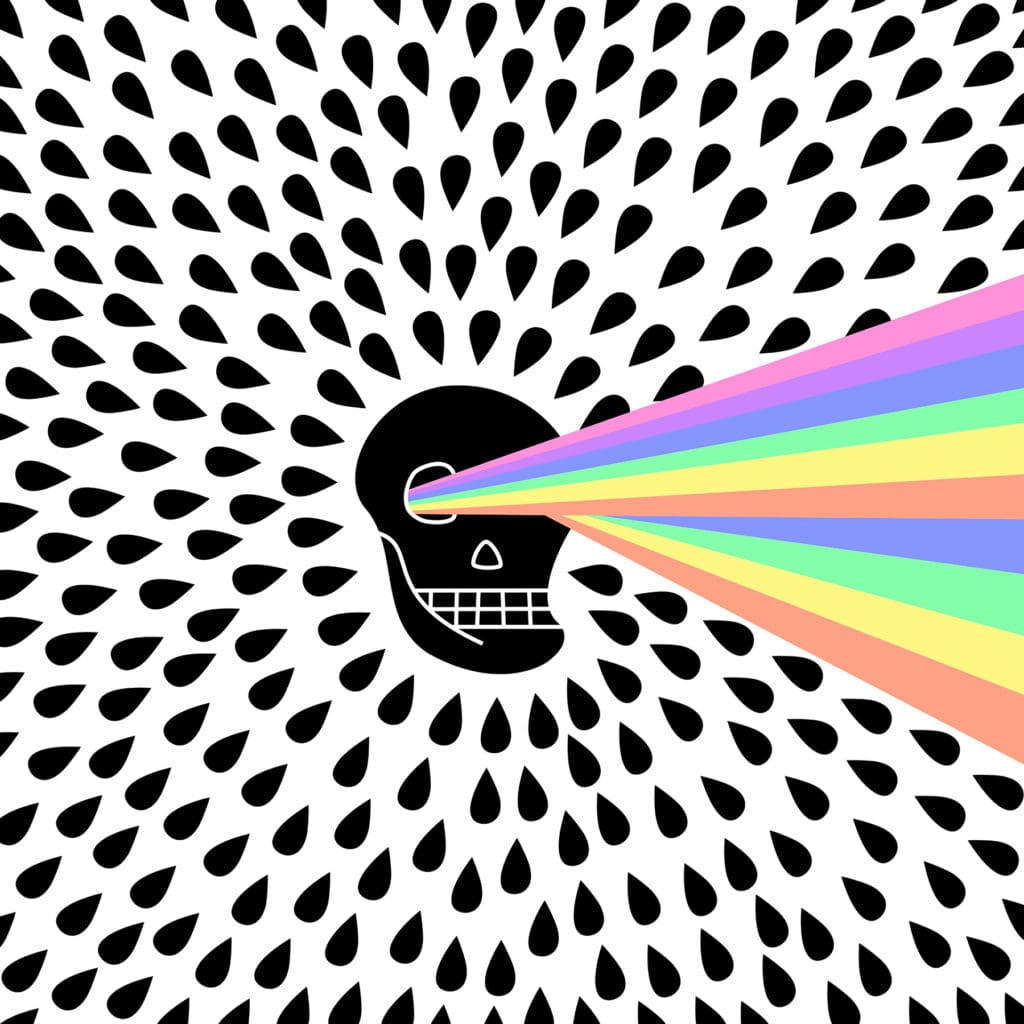
No frame is necessary at adult-beverage company Collective Arts, where cans and bottles are the canvas. But there are still collectors. “We’ve had consumers who find the art on our cans, and then they get really passionate, and want to go and find the art or buy prints,” says Toni Shelton, VP of brand and strategy. She recounts a customer that “was so connected to the art, he found the artist in Mexico City.” He didn’t stop there: he planned a visit and even reached out to the brand to ask for beer to bring to the artist.
That deep engagement with customers is a benefit of artist collaborations. Of course there’s something in it for the artists, too. Brandon Medeiros is one of 1,200 artists from 45 different countries who has worked with Collective Arts. He said by email that the brand stands out to him as one that “actually cared about supporting artists and bringing creativity into the world … they truly put artists first.”
Exposure can be invaluable to a new artist—or even an established one. “We have other companies and brands reach out to us looking for help curating local artists,” says Shelton. “Lululemon, in particular, featured Cecil Warner after we hired him.”
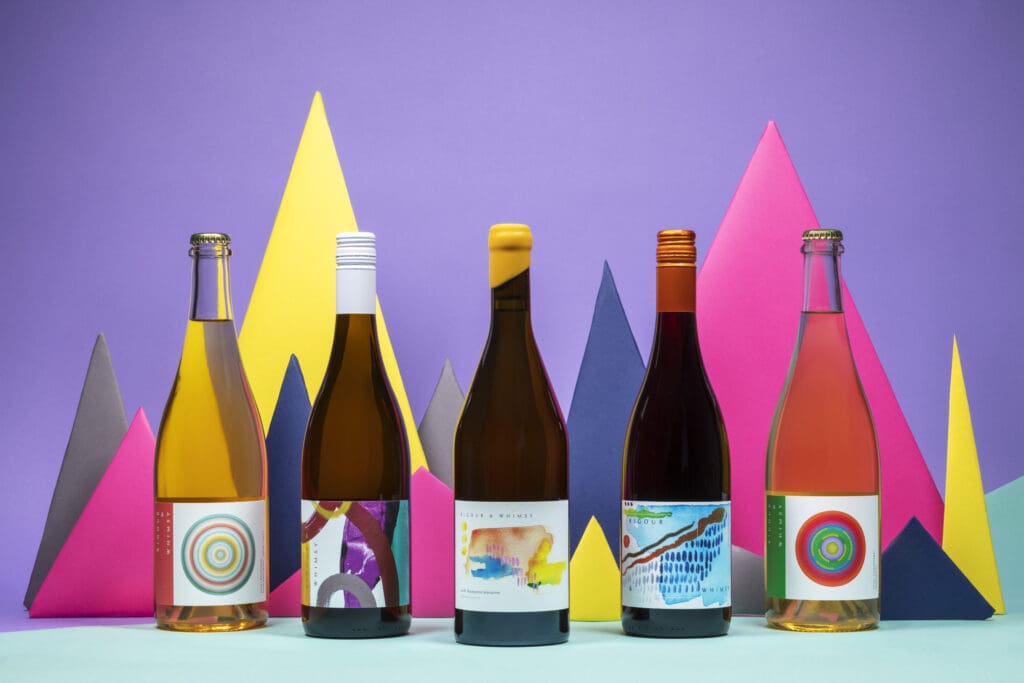
Combining business and art isn’t new—but it makes a lasting impression. An important consideration when attempting to stand out from the crowd. Costa Gavaris, co-founder and winemaker at Rigour & Whimsy, says that collaborating with artists on wine labels was conceived early, as part the brand’s identity. The two co-founders had a vision: “We wanted to bring beauty into people’s lives,” he says. “That meant the outside of the bottle and the inside of the bottle, that both those things were really important.”
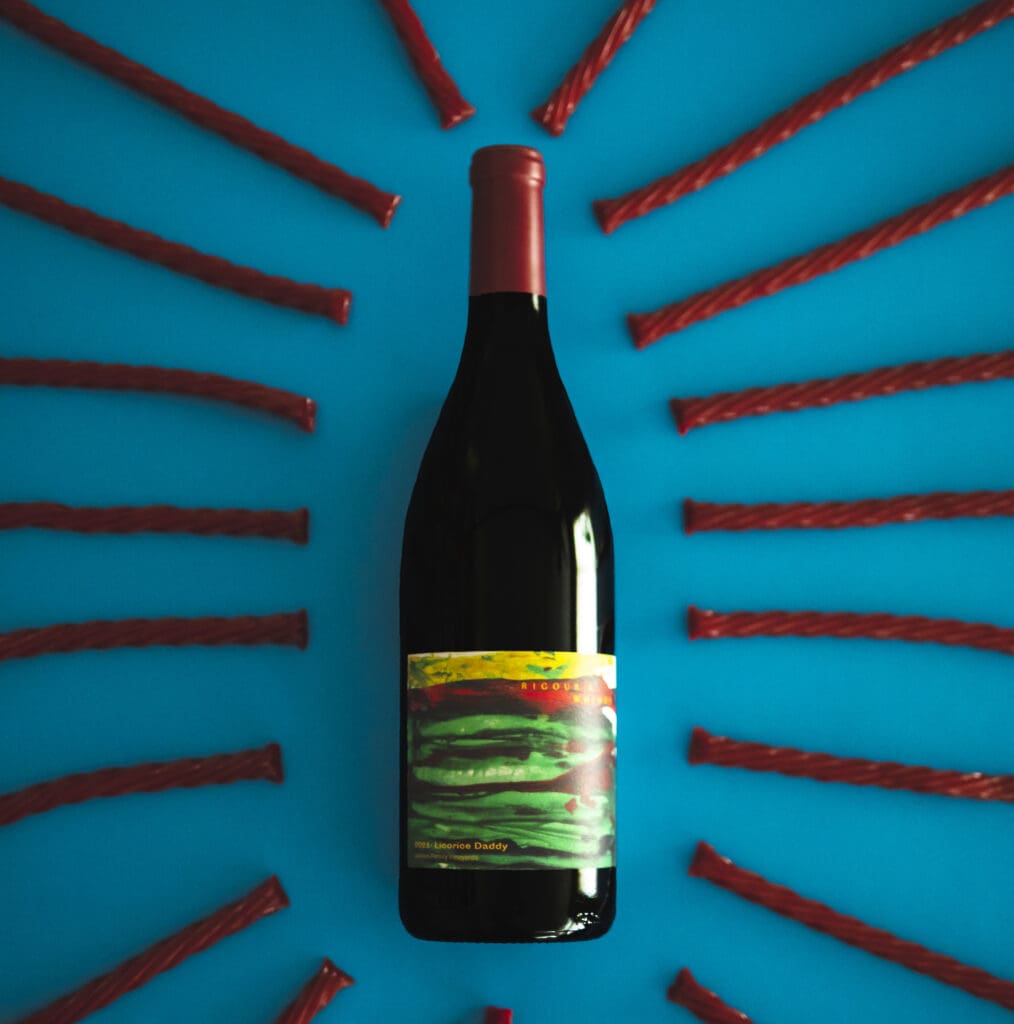
An eye-catching label is key, as anyone faced with picking a bottle from a wall of wine knows. One of the brand’s most meaningful labels is a Cabernet Franc called Licorice Daddy, so named when Gavaris’ son—three years old at the time—combined the two (both close at hand) to name his dance move. It struck a chord, and they decided he should create the label art, too—Twizzler as paintbrush, of course. “Art was family, it was fridge art,” says Gavaris. “Of all of the art experiences we’ve had through Rigour & Whimsy, that’s been one of the most fulfilling.”
That personal connection can go beyond the artwork itself, and into the relationship. When Cheekbone negotiated with Monkman, they had worked with the artist on a smaller project, then reached out with a larger idea. “We don’t have massive budgets as a small business,” Harper says. “It really became more of like a trade situation. Trade for product, trade for work. Which I love, because I feel like that is extremely indigenous.”
“For our purpose, it’s always to highlight Indigenous artists and definitely up-and-coming [artists],” she continues. That objective will be carried forward by the brand’s next artist collaboration, which features the work of Inupiaq artist Haley Putruq on their limited-edition holiday gift sets.
In the end, it’s about creating “emotional connection,” according to Shelton. “As soon as we do that, like an artist getting a paid opportunity, and then we can put it on merch … it’s this flywheel of community engagement. I think that is what keeps artists coming back.” —Jill Von Sprecken
share:

December 9th, 2025 at 11:57 pm
Thanks for all the research paper it
December 10th, 2025 at 12:24 am
I benefited greatly from the information in this post. Thank you.