
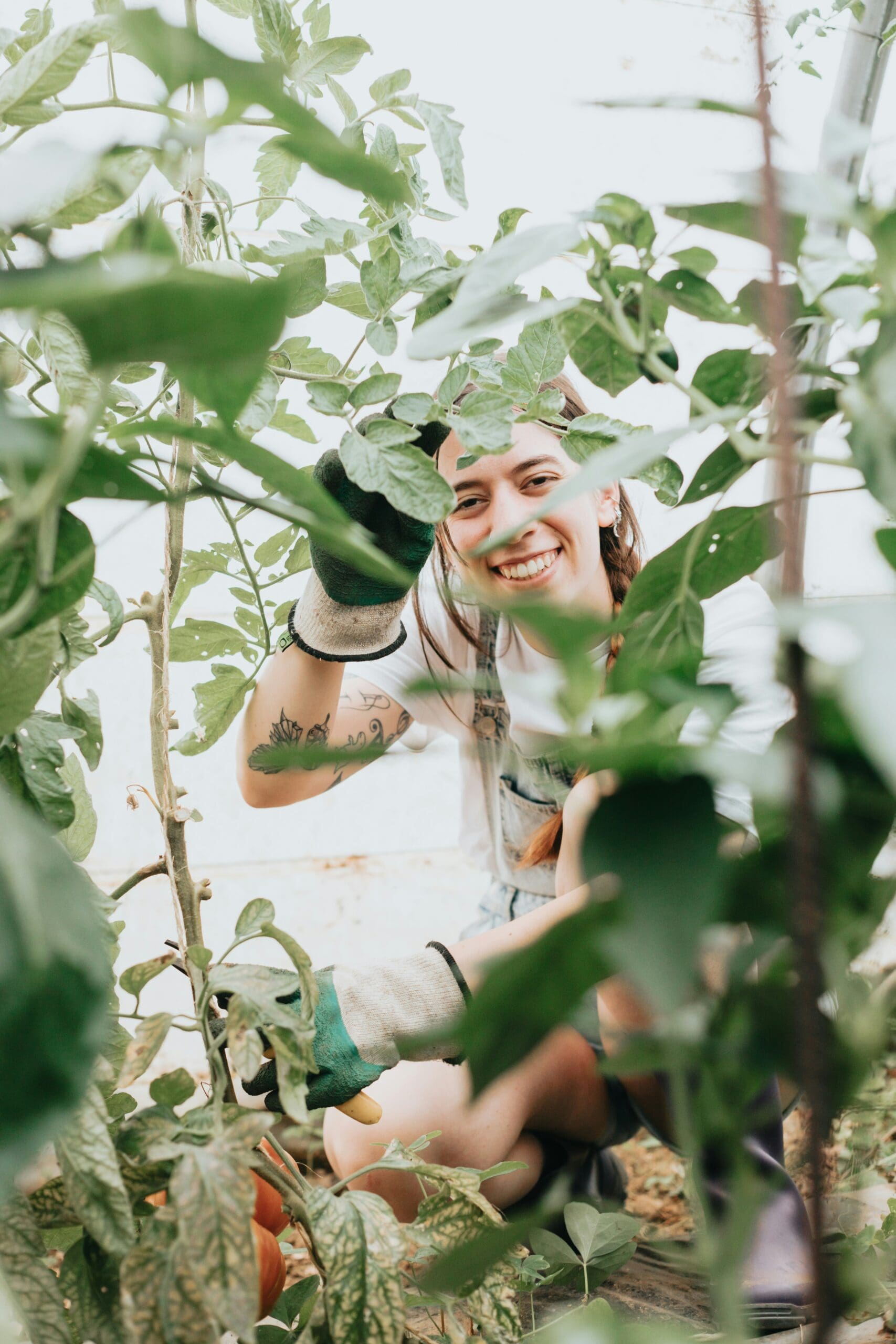
Fresh air, soil under your nails, and a slower pace—what once felt optional is now proving essential. Backed by a 34-year Harvard study, internal medicine physician and New York Times bestselling author Dr. John La Puma explains why time outdoors isn’t a luxury, but a longevity tool hiding in plain sight. Ahead of his new book Indoor Epidemic, Dr. La Puma shares how gardening and outdoor movement support heart health, reduce stress, and reconnect us to a healthier way of living—no green thumb required. —Noa Nichol
A 34-year Harvard study suggests time outdoors isn’t just healthy—it’s life-extending. What surprised you most about the data, and why has this research been largely overlooked in mainstream health conversations?
The shocker was how “low-tech” specific exercises need to be to be effective. Across 34 years and 111,000+ people, overall activity tracked with ~19% lower all-cause mortality, and walking alone with ~17% lower risk. Outdoor activity is overlooked because it doesn’t sell: steady walking beats intensity culture, and it’s hard to monetize “go outside and repeat.”
The study found that outdoor work like digging and gardening had stronger longevity benefits than indoor exercise. What is the body actually getting from soil, sunlight, and fresh air that a treadmill can’t replicate?
Outdoors gives you triple-input physiology: uneven terrain costs ~28% more energy than flat ground and trains stabilizers; real sunlight locks circadian timing; air + plant compounds can boost NK cell activity by 50%+ with effects reported up to 30 days. A treadmill loads the heart, but it can’t replicate light, microbes, and terrain.
You’ve coined the idea of an “Indoor Epidemic.” How did modern indoor living quietly become one of the biggest health risks of our time?
We created a perfect storm: people spend ~93% of life indoors (86% buildings, 7% vehicles), which strips away morning light, movement variety, and microbial exposure. Add constant screens and you get chronic circadian misalignment and a stressed nervous system that never fully downshifts.
Ahead of Heart Health Month, how does gardening specifically support cardiovascular health—and can it really rival traditional cardio workouts?
Gardening is “cardio in disguise” plus strength,flexibility and balance. A two-hour nature dose has been linked to ~7 mmHg lower systolic BP, which is comparable to starting a first-line BP med. Even ~5 mmHg lower SBP means ~14% lower stroke risk and ~9% lower heart attack risk.
Soil bacteria like Mycobacterium vaccae are linked to immune and mood benefits. Can you explain how getting your hands dirty literally trains the immune system and reduces stress?
Soil is immune education. Soil microbes like Mycobacterium vaccae help train immune tolerance, reducing overreactions tied to allergies and inflammatory flares. It also shows antidepressant-like effects via serotonin-related pathways, so the “hands in soil” ritual can calm both immune and stress circuits.
You left a conventional medical career to start a regenerative farm. How did that personal shift change your understanding of what ‘real health’ actually looks like
I still value conventional medicine, as a board-certified physician, but after COVID I couldn’t ignore what I was seeing: patients felt better outside, fast. Sleep consolidated, breathing slowed, shoulders dropped, mood lifted, immunity improved. So I started giving people a practical roadmap back to health in addition to medication when they need it.
For people living in condos or dense cities, what are realistic, high-impact ways to access the benefits of outdoor work without a backyard or garden?
Pick one high-frequency option: a community garden plot, balcony grow bags, or even weekly “digging work” volunteering. For daily: a 10–20 minute park loop with stairs or uneven edges, plus one “tree stop” for 2–3 minutes of slow breathing and looking even 20 feet away. No backyard required, just repetition.
Nature has been shown to reduce cortisol by over 20% in just 30 minutes. Why do you think outdoor time is so effective at regulating stress and emotional health compared to other wellness interventions?
Nature hits stress from multiple angles at once: it interrupts rumination, lowers cognitive load, and shifts the nervous system toward parasympathetic tone. When cortisol drops 20%+ over weeks with 20-30- minutes three times weekly in a place of choice. that’s not vibes, that’s endocrine recalibration.
Are there certain outdoor activities—or even specific gardening movements—that deliver the biggest longevity payoff at different stages of life?
30s: brisk walks, hikes, and carries to build the engine. 40s–50s: progressive resistance because muscle can decline ~1–2% per year; garden equivalents are shoveling, loaded carries, and squatting/hinging safely. 60+: power + balance, step-ups, uneven trail walking, getting up/down from the ground to reduce fall risk. As you get older, it’s more strength and balance, and less aerobics.
If someone could make just one change after reading your book Indoor Epidemic, what daily outdoor habit would you prescribe as the most powerful investment in a longer, healthier life?
Morning light, daily. Get 10–15 minutes outside within 60–90 minutes of waking; it anchors the cortisol awakening response and starts a ~12–14 hour countdown to melatonin, making sleep easier. If you do nothing else, do that: you’ll love using your senses first thing, rather than your notifications.
share:

Be the first to comment