
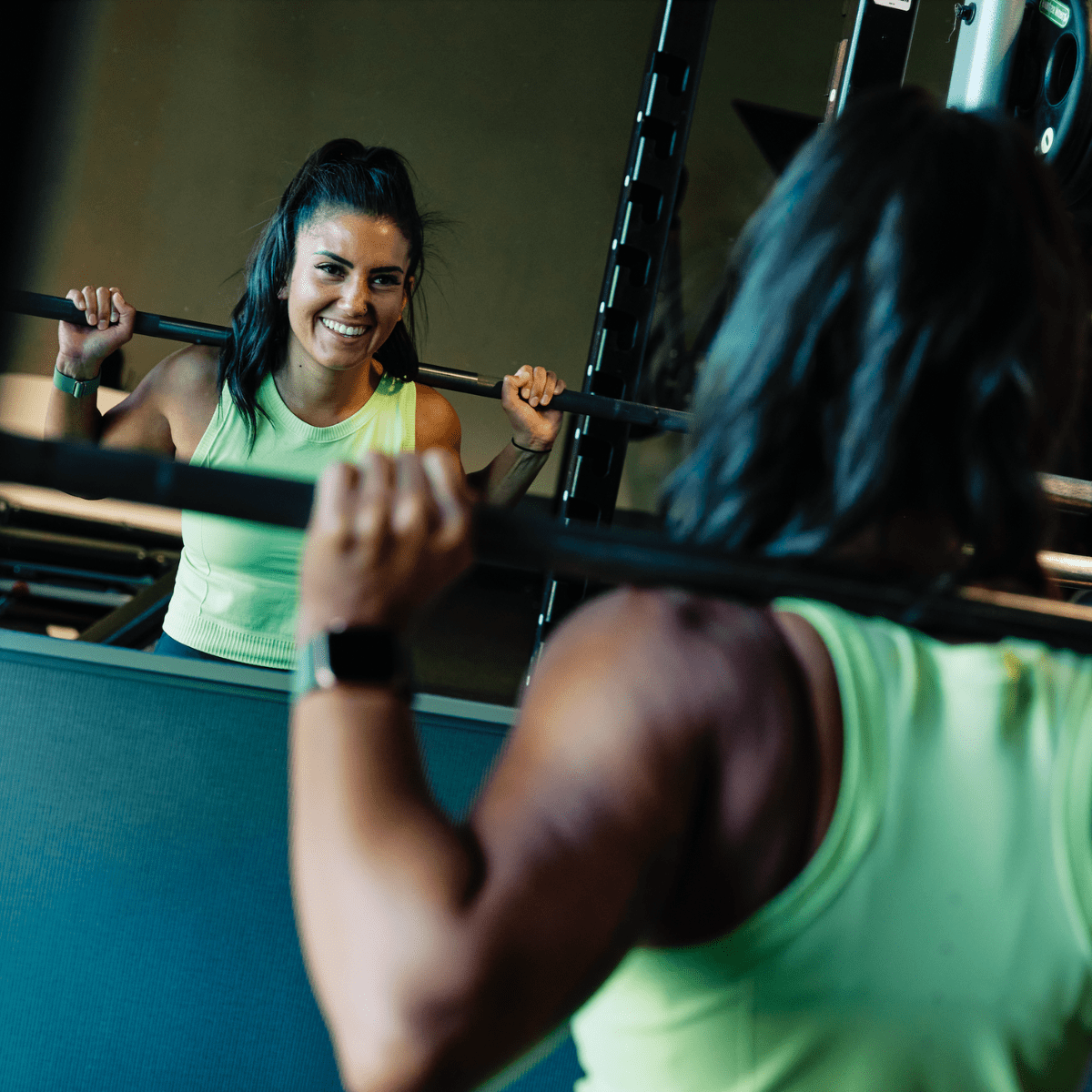
The fitness conversation is finally getting smarter. Once dominated by before-and-after photos and scale-based victory laps, the industry is shifting toward something deeper: longevity, mental health, and real-world strength. “The truth is, chronic disease is on the rise, and the obesity epidemic has become much more serious than just how we look,” says Fitness World Canada Vice President of Fitness Services Nastasia Liavas. “The approach HAD to change because our insides are suffering far more than our pant sizes.”
Nastasia’s perspective echoes a growing movement: fitness as medicine, not just ornament. In practice that means swapping one-off crash diets for sustainable routines, and superficial metrics for measures that actually improve daily life—think lifting groceries without wincing, beating the stairs, or reclaiming energy for the things you love.
From Skinny to Strong
“For years, the primary goal was weight loss,” Nastasia explains. “Now we measure strength gains, endurance, how our clothes fit and our ability to ease through life doing all the things we want to do.” That change has been driven in part by access to information—research, diverse voices and new training modalities—plus a cultural push away from thinness and toward functional fitness. “Slowly, the media shifted models, messages and influencers to be ‘healthy’ and ‘strong’ rather than skinny,” she adds.
This isn’t just semantics. Nastasia works with clients to set measurable behavioural goals: strength tests, mobility benchmarks, recovery time, sleep quality and even bloodwork. “My favourite thing to have clients do when they start a program is get their bloodwork done. Re-test in 12 weeks and check on the overall health of all micronutrients and basic bloodwork & blood pressure,” she recommends. Those metrics show real physiological progress—and make the transformation feel credible and attainable.
Fitness as Emotional Medicine
Perhaps the most radical recalibration is recognizing exercise as a mental-health tool. “Fitness has reframed itself as therapy for so many people,” Nastasia says. “Working out relieves stress, increases confidence, releases endorphins, manages burnout and can decrease anxiety.” She points out that exercise brings structure and predictability—two things that stabilize mood and help us set personal boundaries.
Nastasia also emphasizes the social and psychological benefits of movement: the habit of showing up for yourself translates into better choices and more resilience across life’s challenges. “This element of self-love and respect increases confidence, makes it easier to set boundaries in the rest of your life, and resilience starts to pour over into all parts of your life,” she notes.
Designing Fitness You’ll Keep
“Fitness is very much an endurance race—a lifestyle, not a fad,” Nastasia says bluntly. For the long haul, she prescribes three essentials: scheduling, enjoyment and convenience. “Schedule it like a work meeting and respect that time,” she advises. “If you hate running, don’t run. Choose something you like so you’re excited to do it.” Remove barriers—tiny logistics matter—and make fitness easy to commit to.
She also encourages smart goal-setting: short, measurable checkpoints that build momentum rather than burn you out. Strength retests every four weeks, mobility progress checks, and simple endurance milestones are all part of a sustainable blueprint. “Anyone can do extreme anything for a short time,” she warns. “But once you hit a wall, burnout sets in. Pick things you can sustain.”
Inclusivity & Intergenerational Shifts
Nastasia celebrates how gyms and studios have evolved from gendered, siloed spaces into welcoming environments for all ages, shapes and backgrounds. “When I first joined the gym, women were in cardio and men were in the weights. Now it’s a melting pot,” she says. She also points out generational differences in approach: younger people chase trends and performance metrics; older clients aim for independence, mobility and longevity. “Fitness is for everyone at every age!” she insists.
Start Where You Are
For someone intimidated by gym culture, Nastasia’s counsel is simple and encouraging: begin small. “The hardest part is just starting. Even just two days is better than zero days,” she says. The idea is to prove to yourself that you can show up—then let curiosity and small wins do the rest.
Nastasia’s message is ultimately hopeful: fitness has matured into a discipline that supports whole-life wellbeing. “Exercise goes far beyond ‘going to the gym’ … it can transform your entire life,” she says. If you’re tired of chasing looks, her advice is clear: measure what matters, pick what you enjoy, and build a practice that lasts a lifetime.
share:

October 3rd, 2025 at 2:52 am
RTP Live
November 20th, 2025 at 9:56 am
It’s nice to see more people finally talking about fitness as something deeper than “how you look in the mirror.” For most of us, the real win is feeling stronger, calmer, and more in control of our routines. The tricky part is that modern fitness comes with a whole ecosystem of apps, plans, and subscriptions, and it’s easy to get overwhelmed. I went through that phase too and had to cancel a few things I wasn’t using. The steps at https://support.madmuscles.com/hc/en-gb/articles/7075931986706-How-can-I-cancel-the-subscription helped me sort everything out quickly. From my experience, it’s way easier to focus on real progress when you remove the clutter.