
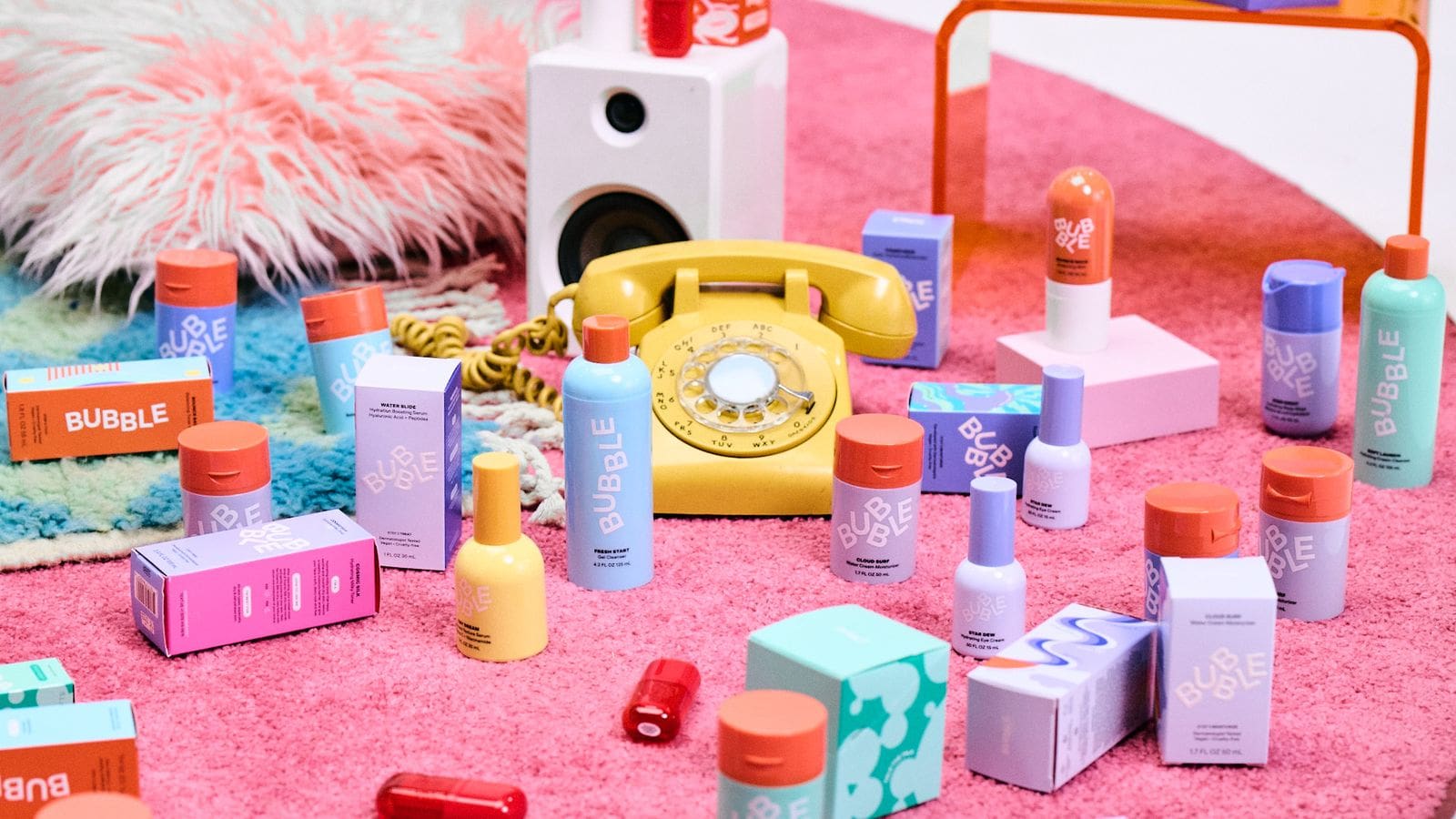
Bubble didn’t just shake up the skincare aisle—it rewired what a beauty brand can look like in a world where community, transparency, and dermatologist-level rigor matter as much as glossy packaging. In just five years, founder Shai Eisenman has built one of the most culturally fluent and clinically grounded brands of the decade, turning Gen Z feedback into product innovations, TikTok conversations into creative direction, and a ten-dermatologist advisory board into Bubble’s not-so-secret quality engine.
In this candid Q&A, Shai opens up about the messy realities of building a fast-growing brand, the moments when junior team members sparked major pivots, sustainable packaging truths no one talks about, and the moonshot that could redefine personalized skincare.
Welcome to the mind behind the Bubble. —Noa Nichol
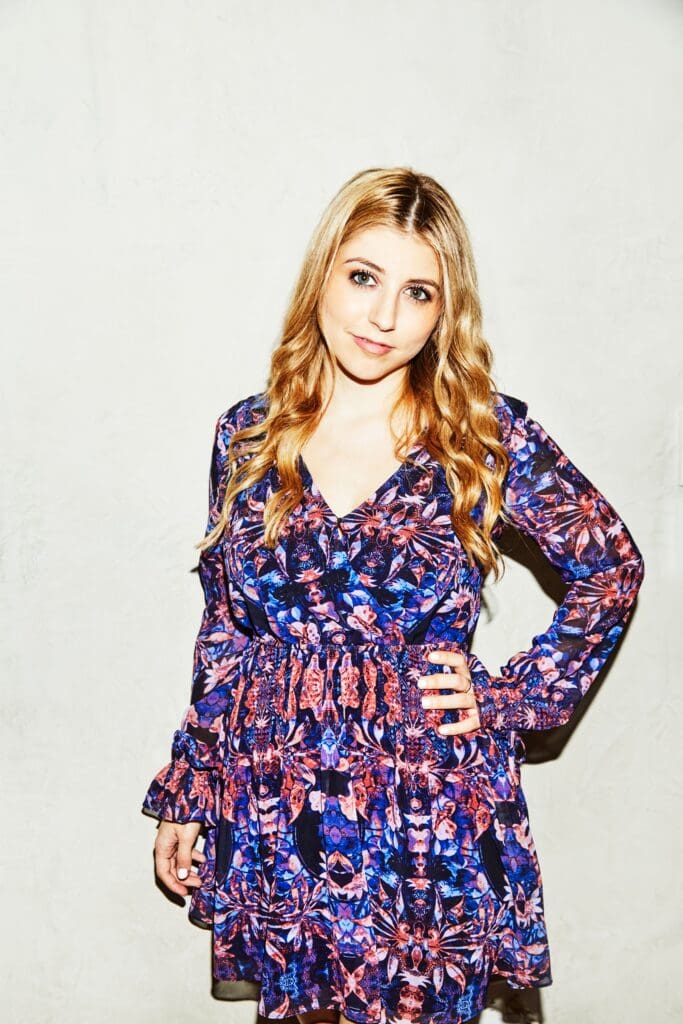
You’ve said Bubble’s community is your “secret sauce.” Can you share an example where customer feedback changed your product roadmap or even the company’s strategy? How do you decide what to act on and what to set aside?
A clear example came with our Cosmic Silk Hydrating Milky Toner. We created a custom packaging component that is exclusive to Bubble. It works with a dosing system that gives you a controlled, clean dispense rather than having product overflow into your hand. Our community loved that. But because the dosing system naturally holds a bit of product in the cap, closing it too quickly could cause a small spurt.
It didn’t affect the formula or safety, but it did affect the experience. We addressed it right away by sharing a video explaining a simple workaround and letting people know we were already working on a packaging adjustment.
The response was extremely positive. Our community doesn’t expect perfection. They expect honesty. When something affects a customer’s daily experience, it becomes a priority. When feedback is more preference-based, we listen, but we don’t let it dictate the entire roadmap.
Your team clearly drives a lot of Bubble’s innovation. How do you structure decision-making so frontline designers, formulators, or ops team members can own ideas? Can you give an example of a moment when someone junior shaped the brand?
We built Bubble to operate bottom-up. Our creative, brand, R&D, and ops teams work directly together, and we intentionally set up our workflow so ideas can move freely, not through hierarchy. TikTok trends, and community conversations. Our team members who live closest to these cultural shifts often see things the rest of us don’t.
A great example came during our CC Balm campaign. We were still exploring directions when a newer creative team member shared a fresh take. She wanted to tie the product around its name and take the campaign to “going undercover,” “quiet missions,”. She connected that language to a campaign idea built around “Undercover Skin Support.” The idea positioned CC Balm as the quiet accomplice working behind the scenes to even tone without ever feeling heavy.
We shifted the full campaign in that direction, and she helped lead the storytelling through launch. It was a reminder that when people closest to the audience have real ownership, the work becomes more intuitive and more effective.
Dermatology underpins Bubble’s formulation strategy. How does your ten-dermatologist advisory board integrate into your R&D cycles? Can you walk us through the process?
Our dermatology advisory board is one of the most important parts of our R&D process. Each dermatologist brings a very specific specialty, including acne, pediatric dermatology, rosacea, cosmetic chemistry, sensitive-skin conditions, and clinical research. That depth of expertise shapes every product from day one.
The process works like this:
- Consumer insight: We start with a need expressed directly by our community. We listen closely, and we don’t create briefs unless the demand is clear.
- Specialist vetting: Before a brief is written, we meet with the dermatologists whose specialties map to the concern. They challenge assumptions, define what success should look like, and confirm the clinical value.
- Formula development: As we work with the lab on early iterations, our dermatologists review ingredients, active percentages, potential sensitivities, texture, and layering behavior.
- Safety and clinical strategy: Our clinical dermatologists guide irritation testing, stability requirements, and clinical study design. They help us determine what claims are responsible to pursue.
- Final sign-off: No formula moves to production until the board approves its safety and efficacy.
It takes time, but the trust we build with our community depends on it.
Bubble moves quickly on platforms like TikTok. How do you stay culturally relevant while protecting the rigor of product testing and safety? Has speed ever clashed with scientific caution?
We’re very intentional about the difference between cultural speed and scientific speed. On platforms like TikTok, we move quickly because our community lives there, and staying relevant is part of how we show up for them. But our product development process is never influenced by a trend or a moment. It takes two to three years, with clinical testing, dermatologist review, stability work, and multiple rounds of safety evaluation. That rigor doesn’t shift.
What we do move fast on is listening. Our community constantly shares what they’re excited about, what they’re struggling with, and what they wish existed. Those insights shape where we place our focus, but they never bypass the science.
We also built a dermatologist advisory board with specialists across acne, pediatrics, rosacea, cosmeceuticals, and clinical research, so every formula is seen through multiple expert lenses before it ever reaches a shelf.
So yes, we’re agile on social. We adjust creative, messaging, and content in real time as the culture evolves. But when it comes to formulation, safety, and efficacy, we slow down. Those two speeds can coexist when you’re disciplined about what moves quickly and what never should.
Sustainability and packaging are major pressure points in beauty. What trade-offs have you faced while scaling, and what decision are you proudest of?
Sustainability in beauty is complicated, and a lot of the industry has fallen into greenwashing because the reality is messy. We’ve always tried to be very clear that there’s no such thing as a perfectly sustainable beauty brand, especially at scale and especially in mass retail.
From day one, we faced the trade-off between what was ideal and what was actually possible. We wanted fully recyclable airless pumps to protect formula integrity, but the technology either didn’t exist or wasn’t accessible at our price point. We could have claimed sustainability anyway, the way many brands do, but it wouldn’t have been honest.
So we took a different approach. We’ve always said, very directly, that we use plastic. We don’t pretend our packaging is something it isn’t. What we can do is make the most responsible choices within those constraints: prioritizing recyclable materials wherever possible, reducing component weight, removing unnecessary parts, and continually upgrading as technology evolves.
I’m proud that we’ve stayed grounded in reality instead of marketing fantasy. We’re not perfect, and we won’t claim to be, but we keep trying to move in the right direction while protecting product quality and integrity. That honesty matters as much as the improvements themselves.
Looking back over five years, what failure taught you the most?
The biggest lesson of the past five years has been learning not to assume I know best. As a founder, you come in with a vision, instincts, and ideas about the problems you think you’re solving. But the moment you stop listening, you lose the plot.
There were several moments early on when I was convinced we were moving in the right direction, only to learn from our community that their needs were different from what I had imagined. Those experiences forced me to slow down, ask more questions, and truly hear what people were telling us rather than pushing my own assumptions forward.
It taught me that being intentional matters more than being quick, and that humility is a requirement for building something meaningful. When you listen, you build the right things. When you assume, you miss what actually matters. That shift has changed the way we make decisions across the entire company.
Founding a fast-growing beauty brand can be all-consuming. What is a quiet sacrifice you made early on that people might not expect, and what did it teach you?
One of the biggest sacrifices has been learning how to operate for long stretches without meaningful rest. People talk about balance, but the reality of building something at this pace, while raising a family, doesn’t leave much room to slow down. I’m not someone who naturally steps back, and there were years where I felt like I had no choice but to keep going.
What it taught me is that resilience doesn’t always look like calm or spaciousness. Sometimes it means finding tiny moments in the middle of the chaos that keep you grounded, even if they’re only a few minutes. It means delegating small decisions instead of big ones. It means creating structure that keeps you moving without burning out completely. I’m still not great at resting, but I’ve learned that staying human doesn’t require perfect balance. It requires intention, even in small doses.
How has being Bubble’s founder changed you personally? What part of “Shai before Bubble” are you grateful to have kept?
I’ve become more patient and more comfortable being wrong. Building Bubble taught me that curiosity is one of the most important leadership traits. But the part of “Shai before Bubble” that I’m grateful to have kept is empathy. I’ve always believed people do their best when they feel understood. That belief is present in how I lead, how we build our products, and how we show up for our community.
As you celebrate year five, what metrics beyond revenue are you using to judge the next five years? And what is your moonshot for Bubble?
As we look to the next five years, revenue is only one part of the story. The real markers of success for us are deeper and more connected to our mission:
- Community impact: Are we meaningfully improving how people feel in their skin? We measure confidence, emotional connection, and the support our community gets from our education, tools, and programs. If we’re not adding value to their everyday lives, nothing else matters.
- Clinical strength: We look at how many of our products have full clinical testing, the strength of those results, and how our dermatologist advisory board continues to evolve. Efficacy is the foundation of trust, and we want our standards to keep getting higher.
- Global accessibility: As we expand, we track whether our products remain truly accessible. Distribution alone isn’t the goal. We care about availability, affordability, and making sure people across different regions can actually use and benefit from what we build.
And our moonshot: A fully personalized, dermatologist-guided skincare platform that brings expert advice, tailored routines, and proven formulas to people everywhere—regardless of age, geography, or skin journey. A system that blends science, technology, and community in a way that makes great skincare simple, supportive, and accessible at scale.
It reflects where Bubble is headed: using science, empathy, and community to raise the standard of skincare for a much broader audience, not just one demographic.
share:

December 4th, 2025 at 2:57 am
Thanks for the guidance
Dpboss
December 10th, 2025 at 12:16 am
Thanks for this usefull article, waiting for this article like this again.