

If you associate slow food with taking it easy, think again. The movement has been quietly reshaping food culture for decades, and Terra Madre Americas marks its first official gathering in the United States. While the location is new, the ideas behind it are already deeply woven into California food culture. —Vicki Duong


San Francisco
San Francisco is a city where food has always carried meaning. Shaped by immigration, proximity to agriculture and a long-standing commitment to craft, its culinary scene is not dictated by trends. It’s a place where farmers, bakers and chefs are part of the same ecosystem, and that connection is felt almost immediately.
Our stay at the LUMA Hotel offered a comfortable, modern home base, but the real introduction to the city came through food. An early evening stop at the rooftop bar Cavaña set the tone, with unique cocktails that nodded to the broader cultural influences that define California cooking. Think fresh guava, lemongrass mezcal, and spiced banana oat milk.
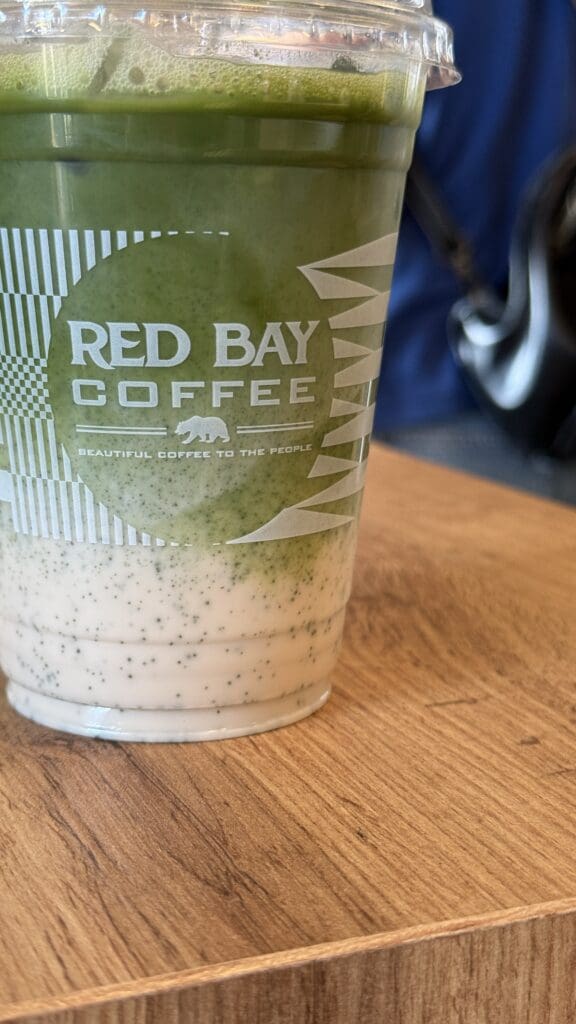
The following morning began early at the iconic Ferry Building, timed to experience the space as it slowly came to life. As shops opened their doors, the marketplace filled with the sounds and smells that have made it one of San Francisco’s most enduring food destinations. We started with coffee from Red Bay Coffee, a local roaster known for both its beans and its community focus, before moving on to still-warm bread from Acme and the now-viral pastries from Parachute, which include a chocolate entremet shaped like a croissant.
Surrounded by some of the most productive agricultural regions in the country, the city has long served as a meeting point between urban dining and rural production. It was a fitting place to begin before heading inland, where the landscapes and stories behind the ingredients would come into sharper focus.
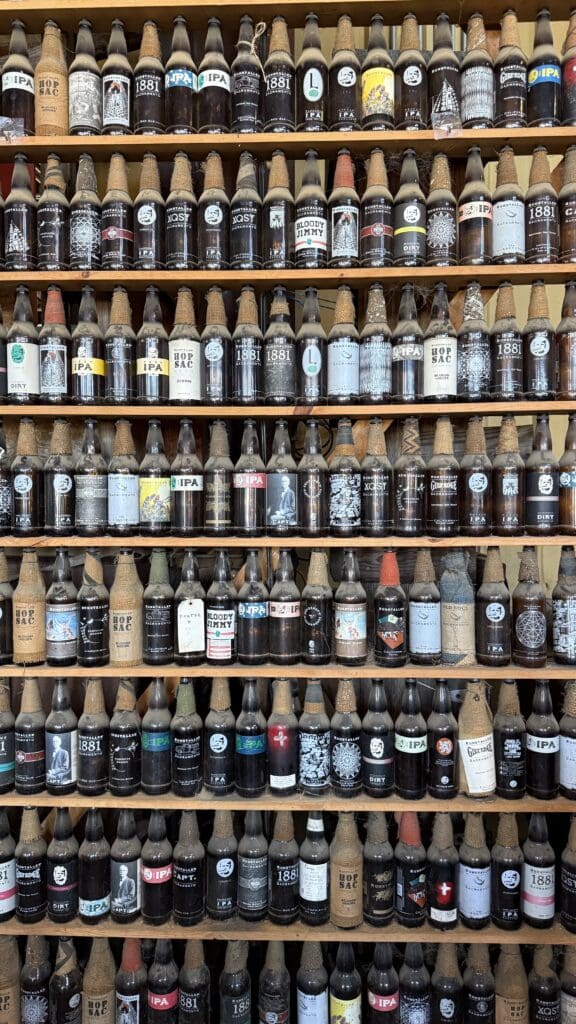
Leaving San Fran for Sacramento, our pitstop was Ruhstaller Farm. Part sprawling brewery, part working farm, the space feels intentionally rustic with a true indoor-outdoor flow that encourages lingering. Beyond the brewski, there’s a charm to simply wandering the grounds. Cats nap in unexpected corners, geese strut freely, roosters make themselves heard, and cows graze nearby.
Sacramento
From there, we continued on to Seka Hills in Sacramento, where lunch and a tasting highlighted the Yocha Dehe Wintun Nation’s deep connection to the Capay Valley. Estate-grown olive oils, wines and honey reflected generations of care, with each product shaped by both land and legacy. Fun fact: Sacramento is widely known as America’s Farm-to-Fork Capital.
The afternoon ended on a sweet note at Ginger Elizabeth Chocolates. Not only did we get to meet Ginger Elizabeth, we also got to experience an exclusive tasting with her while she shared her stories of becoming a chocolatier, training at the Culinary Institute of America, serving chocolates to Julia Child and becoming a Midtown staple.
That evening, dinner at Mulvaney’s B&L was served family-style, the kind of meal that naturally slows things down and encourages sharing. The restaurant itself, with its warm, historic feel and adjacent patio space, was a quiet reminder of how often California’s climate allows food culture to spill beyond four walls, even when dinner stays indoors.
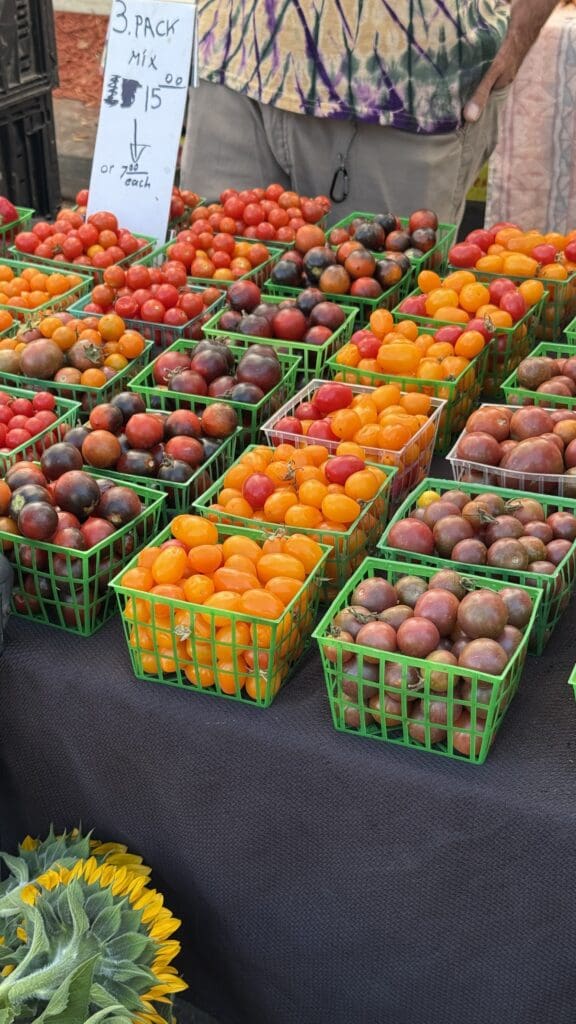
The following morning at the Midtown Farmers Market reinforced that same sense of ease. In a place where the weather generally cooperates, farmers’ markets become true neighbourhood hubs rather than quick errands. With a mix of produce, prepared foods, grocers and small retailers, and it felt genuinely woven into daily life. Food-wise, the range was impressive. Paella cooked in a massive pan, tandoori bread pulled fresh and warm, and stalls piled high with fruits and vegetables grown not far from the city.
At the centre of it all was Terra Madre Americas, which unfolded across both indoor and outdoor spaces, giving it a fluid wandering feel. You could move from a panel discussion to a tasting, then step outside to regroup before stumbling into something unexpected.
Throughout the festival grounds, stalls showcased producers and cooking demonstrations. There were food trucks and beer gardens for more casual moments, balanced by exclusive dinners that offered a deeper, more intimate way to experience the same ideas through the lens of a single meal hosted by an acclaimed chef.
Sonoma
Then it came time for something quieter. With vineyards, farms and orchards woven directly into daily life, Sonoma’s emphasis is less on spectacle and more on legacy. Meals here tend to feel grounded and generous, shaped by seasonality and a deep respect for land and the immigrants that have shaped the neighbourhood.
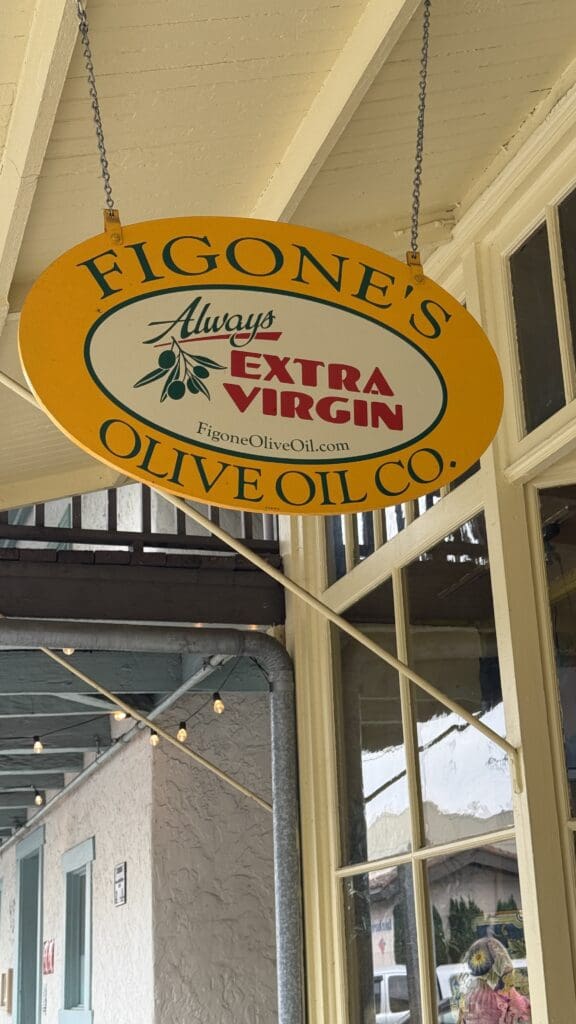
That connection came through immediately at Figone’s Olive Oil Company, where sampling olive oils highlighted just how nuanced something seemingly simple can be. Peppery, grassy and buttery notes varied with harvest and varietal, offering a small but telling lesson in Sonoma’s agricultural range since the olives were from the region. Lunch at El Dorado Kitchen continued that theme. Nothing felt overwrought. It was the kind of meal that works because the ingredients don’t need much interference.
Santa Rosa
Santa Rosa marked the final stop on our California food tour, and by then the slow food principles guiding the journey felt fully tangible. This was food culture at its most human, shaped by small producers, working farms and people who care deeply about how things are made.
We checked into the Flamingo Resort, a retro property that leans into its charm without feeling stuck in the past. Bright, cheerful and a little kitschy in the best way, the resort is anchored around a central pool that acts as the heart of the space. Rooms, pathways and gathering spots all seem to orbit it, giving the hotel an easy, communal feel.
A visit to Gold Ridge Organic Farms offered one last lesson in how expressive agriculture can be. An apple tasting showcased a surprising range of flavours and textures, from crisp and bracing to soft and aromatic, all shaped by thoughtful growing practices.
The stop that stayed with me most, though, was Tilted Shed Ciderworks. It quickly became a personal favourite, not just because the ciders were excellent without feeling precious, but because of the people behind them. Warm, open, and genuinely down to earth, a trait often associated with Canadians rather than Americans. They embodied the heart of the slow food movement in a way that no manifesto ever could. It was also a quiet reminder that our neighbours to the south share more with us than we sometimes realize.
share:

Be the first to comment