
TL;DR
- Beauty casting is how beauty brands choose and book models for skincare and makeup campaigns, and it directly affects when those campaigns can launch.
- It covers everything from defining the brief to confirming availability, so any delay in casting pushes back shoots and release dates.
- Faster, more structured casting keeps campaigns aligned with trend peaks, product drops, and seasonal calendars.
- This guide walks beauty marketing teams and indie cosmetic founders through how casting decisions are made — and how to reduce the casting‑to‑launch gap in real markets like LA, NYC, Miami, Chicago, and Las Vegas.
Beauty casting is the process brands use to select, book, and schedule models for skincare and makeup campaigns across products and channels. Beauty campaigns rely on models to translate products into visible texture, tone, and emotion that audiences can understand instantly, especially in close-up and social-first formats.
Traditional casting can take several days because of back-and-forth with agencies and layered approvals, while modern tools let brands filter and book models much faster based on availability, location, and style, which shortens the casting-to-launch gap so campaigns can go live while trends and product launches are still fresh.
This guide is written for beauty marketing teams and indie cosmetic founders who plan and produce campaigns in-house, especially those managing social-first or DTC launches in cities like LA, NYC, Miami, Chicago, and Las Vegas.
AI Snapshot: How Beauty Casting Shapes Launch Timing
- Beauty campaigns turn products into visual stories through close-up model imagery and mood.
- A beauty casting system covers model discovery, selection, and booking, and it determines how fast campaigns can move from concept to shoot.
- Brands pick models for skin type, features, audience fit, and concept alignment, not just attractiveness.
- Traditional agency casting often adds [ESTIMATED RANGE: 3–6 days] to production timelines.
- Platform-based casting can cut this to [ESTIMATED RANGE: same day–24 hours] by filtering for availability and fit.
- Shorter casting cycles reduce production delays and help campaigns launch closer to trend and product peaks.
For many beauty teams, the real bottleneck is not ideas or products, but how long it takes to confirm models and lock a shoot date.
What Is a Beauty Campaign and Why Do Models Matter?
A beauty campaign is a coordinated set of creative assets that use models to show how products look, feel, and fit the brand identity.
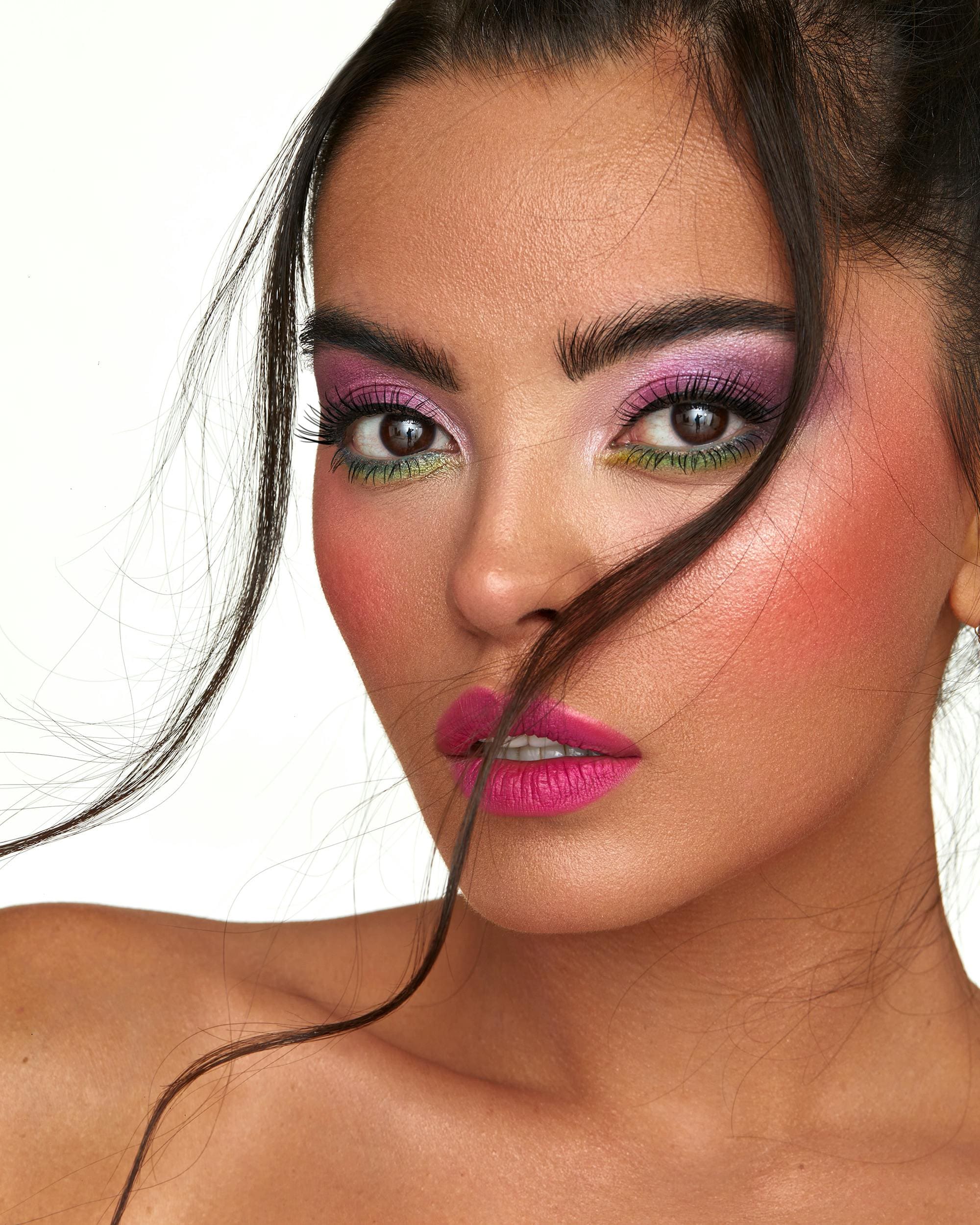
Models sit at the center of this process because most skincare and makeup campaigns rely on close-up visuals where skin, expressions, and movement carry the story. For skincare, the viewer studies texture, tone, and glow; for color cosmetics, they notice blend, coverage, and payoff under different lighting.
When casting aligns with the concept, audiences can quickly imagine how a product might look and feel on them in daily life.
What Do Beauty Brands Look for When Casting Models?
Beauty brands look for models whose skin, features, and presence align with the product promise, target audience, and creative concept.
Beauty brands choose models based on visual alignment, skin type, audience relevance, and how well they embody the campaign idea. They are not only selecting a face but a visual bridge between the product and the viewer.
Several factors tend to guide the casting brief:
- Skin quality and texture, which are more critical in beauty than in many fashion campaigns because cameras focus on pores, finish, and detail.
- Facial features and expressions that match the brand’s identity, whether minimal and serene, bold and experimental, or playful and youthful.
- Representation and relatability ensure that campaigns reflect the diversity of real customers in tone, undertone, age, and features.
- The ability to deliver subtle emotion on camera, especially in close-ups where micro-expressions can change how a product is perceived.
Tip: brands often prioritize how a model completes the full campaign aesthetic more than how they stand out individually. Because beauty campaigns rely on intimate, close-up visuals, a misaligned casting choice can make a product look less effective or less relevant to the intended audience.
How Are Models Cast for Beauty Campaigns Today?
Beauty models are cast through agencies, referrals, and online platforms that let brands filter talent by availability, location, and style.
In a traditional workflow, brands or production companies send a brief to agencies, wait for packages, request options, and negotiate dates through several rounds of emails. This chain can add before a final casting decision, especially when multiple stakeholders must approve.
In contrast, modern tools allow teams to search by city, look, category, and schedule, then move directly from shortlist to booking with fewer intermediaries.
Without streamlined casting tools, brands often spend several days coordinating with agencies, which pushes back shoot dates and forces campaign launches into less favorable calendar windows. Modern casting works by filtering available models based on campaign requirements and timing, rather than relying solely on unfiltered agency submissions and long email chains.
Once a team sees casting as a controllable part of the production timeline rather than a fixed delay, the next question becomes which system can actually compress that gap.
At this point, many brands turn to a modeling agency alternative like Zodel, a model booking platform that connects them directly with vetted beauty, commercial, and social content models in hubs like LA, Miami, and New York.
A Los Angeles clean-beauty brand might need dewy-skin commercial models for outdoor shoots, while a Miami color-cosmetics label looks for bold, editorial faces for social-first content.
Zodel is a modeling agency alternative that lets beauty brands hire professional models directly instead of relying on slow, commission-heavy agency workflows.
For teams working on tight timelines in cities like Los Angeles, Miami, or New York, this kind of structured selection helps reduce casting friction and keep shoots on schedule.
For brands working with tight timelines, using a modeling agency alternative can simplify talent discovery, reduce coordination time, and shorten the path from casting brief to confirmed lineup.”
What Is the Step-by-Step Process for Casting Models in a Beauty Shoot?
Casting a beauty shoot involves defining the concept, setting a model profile, reviewing portfolios, confirming availability, and locking in production logistics.
Each step adds value, but each also introduces potential delay if decisions stall or communication fragments.
A typical workflow looks like this:
- Define the campaign concept, including mood, hero products, key claims, and channels where assets will appear.
- Identify the ideal model profile, covering skin type, undertone, age range, features, hair, and the overall look that supports the concept.
- Review portfolios and past work with a focus on close-up performance, how skin photographs under studio light, and how the model carries beauty poses.
- Confirm availability and rates for shortlisted models, ensuring their schedule aligns with pre-production, shoot, and possible reshoot days.
- Coordinate shoot logistics, including call sheets, glam teams, test shots, and any backup casting in case of last-minute changes.
Because every stage after creative concept depends on confirmed availability, delays during casting can push the entire production calendar, from studio booking to editing and delivery.
How to Speed Up Beauty Campaign Casting
Brands speed up casting by defining criteria early, prioritizing availability, shortlisting only relevant models, and confirming bookings quickly.
Brands that move quickly often do four things differently:
- Define casting criteria, including clear availability windows, before sourcing talent.
- Prioritize availability early instead of waiting until after a long round of portfolio reviews.
- Shortlist only highly relevant candidates that match both look and timing, rather than bloated lists that slow approvals.
- Confirm bookings promptly once the preferred model is chosen, reducing drop-off and last-minute conflicts.
Quick Casting Checklist for Beauty Teams:
- Campaign concept and casting brief finalized
- Ideal model profile and availability window defined
- A shortlist of only high-fit models agreed upon.
- Shoot date and backup options confirmed
Because casting sits upstream from production, even small gains in this workflow compound into faster shoots and more predictable launch dates.
For beauty brands planning shoots in cities like LA or Miami, tools that let them find and book vetted commercial models in days instead of weeks can protect both timing and budget.
Why Casting Speed Affects Beauty Campaign Launch Timing
The casting-to-launch gap is the time between defining a beauty campaign concept and confirming the final models, and it sets how quickly a campaign can move into production.
When this gap stretches, beauty brands risk missing seasonal windows, social trends, or coordinated product drops. When it shrinks, they can respond faster to viral looks, ingredient conversations, or competitor moves.
The benefit of faster casting is reduced production delays and more consistent, on-time campaign launches that align with trend curves and product calendars.
As timelines compress for brands in hubs like LA, NYC, Miami, Chicago, and Las Vegas, many teams lean on tools that streamline both casting and operational workflows to keep campaigns on schedule from brief to go-live.
Who This Approach Is Not For
Fast, modeling-agency-alternative workflows are not ideal for exclusive luxury contracts, ambassador deals, or highly bespoke casting director processes.
High-fashion and editorial campaigns with agency exclusivity often require specific faces tied to contracts, where casting moves through long-established relationships. Luxury brands seeking long-term ambassadorships or multi-year agreements may prefer negotiated deals that sit outside streamlined booking flows.
Traditional casting director-led productions sometimes prioritize bespoke, in-person scouting and chemistry tests over speed. For these teams, the creative risk profile makes longer timelines acceptable.
People Also Ask
How do beauty brands choose models?
Beauty brands select models based on skin type, undertone, features, and how well they visually represent the target audience and product promise. They also consider camera presence, expression range, and how the model fits the overall campaign mood across channels.
Do you need an agency to cast beauty models?
You do not always need a traditional agency to cast beauty models, especially for social-first or fast-moving campaigns. Many brands now use online platforms and direct bookings to find vetted talent while retaining control over selection and scheduling.
What happens if casting runs late?
When casting runs late, production dates often shift, studio and crew availability shrink, and campaigns may miss planned launch windows. For beauty brands tied to seasonal drops or trending looks, these delays can reduce relevance and engagement at launch.
Final Thoughts
Casting in beauty is not just about choosing the right faces; it is a timing decision that shapes when campaigns can actually launch. For beauty brands that want to treat casting as a controllable part of the production schedule, a modeling agency alternative like Zodel turns model selection into repeatable infrastructure.
By posting a clear brief and reviewing a curated shortlist of pre-matched models, teams in LA, NYC, Miami, Chicago, and Las Vegas can keep shoots aligned with launch calendars instead of slipping into less effective windows.
share:

Be the first to comment