
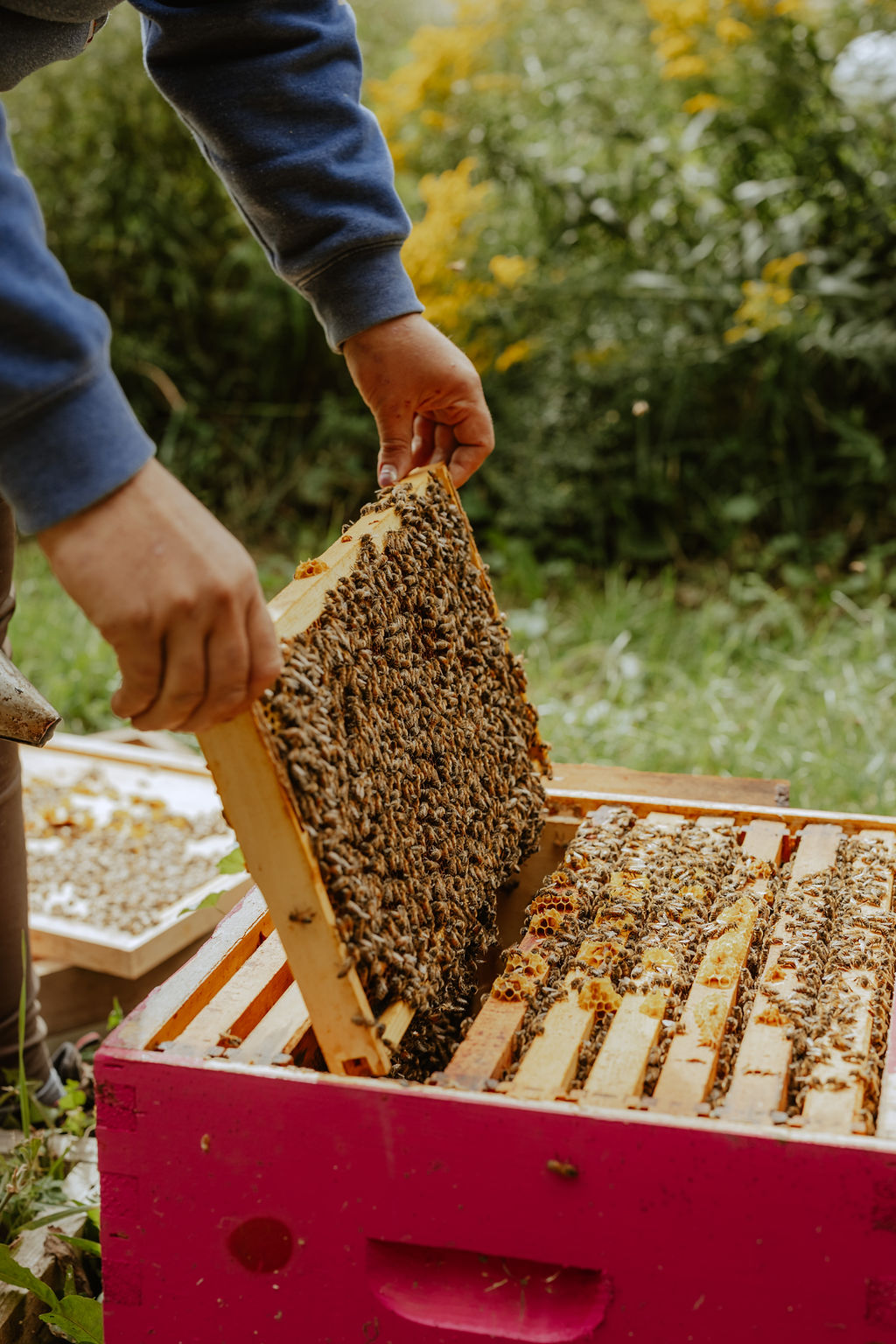
From your morning blueberries to your afternoon chocolate fix, pollinators are quietly powering a third of the food we eat—and they’re in trouble. With the “Let’s Plant” campaign, Dutchman’s Gold is teaming up with Sierra Club Canada to help restore habitats—one wildflower seed at a time. We sat down with DG co-owner Angela Ysseldyk to talk about what’s at stake, why it matters, and the simple ways Canadians can make a real difference, starting right in their own backyard. —Noa Nichol
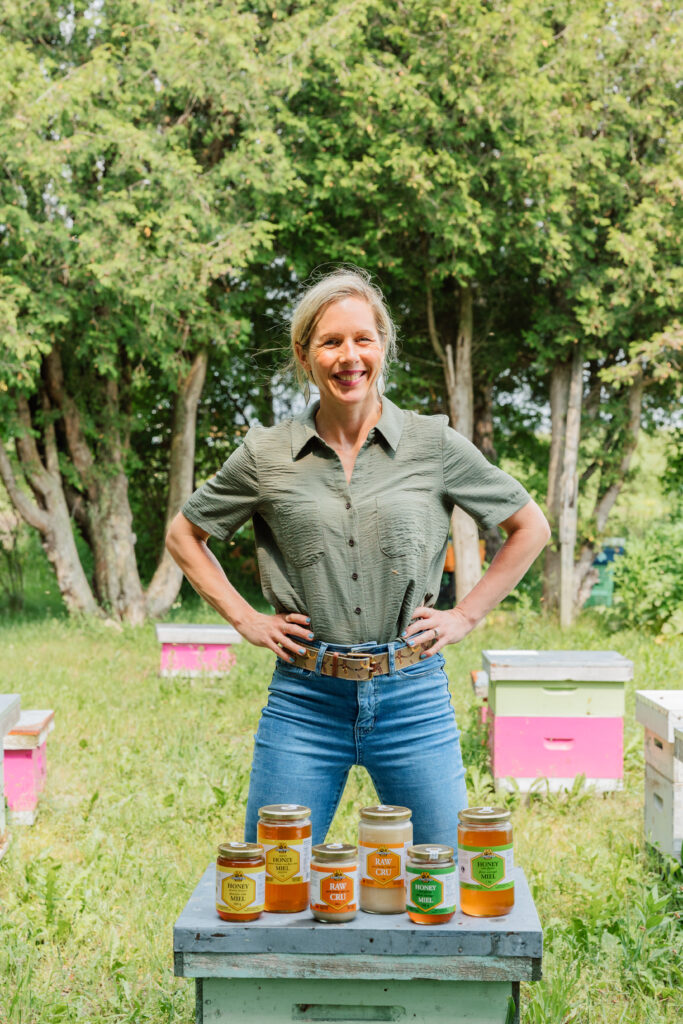
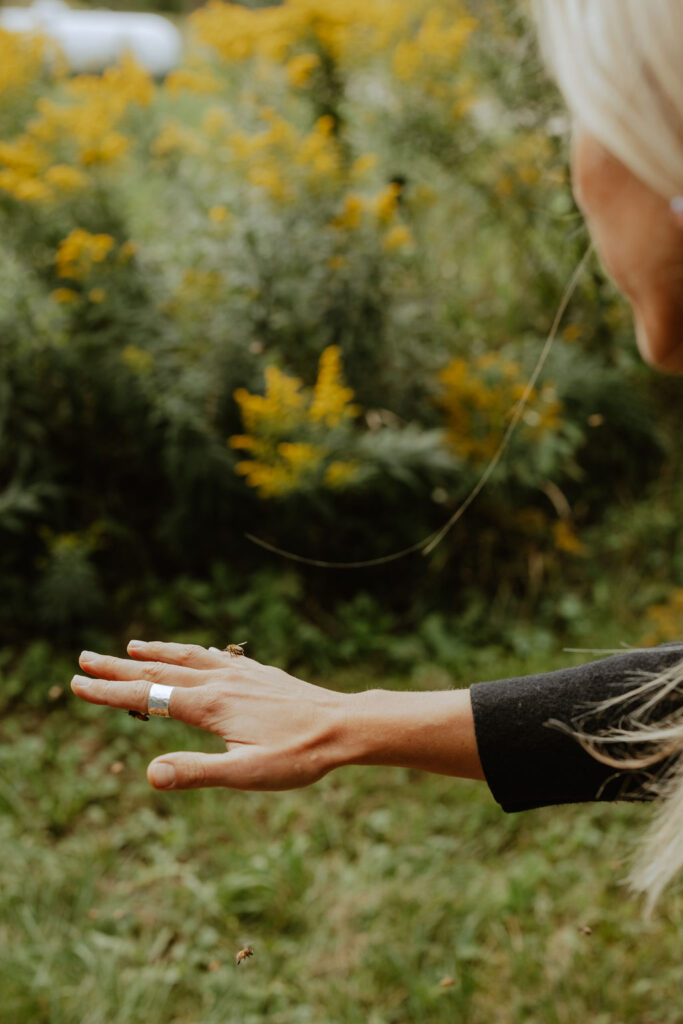
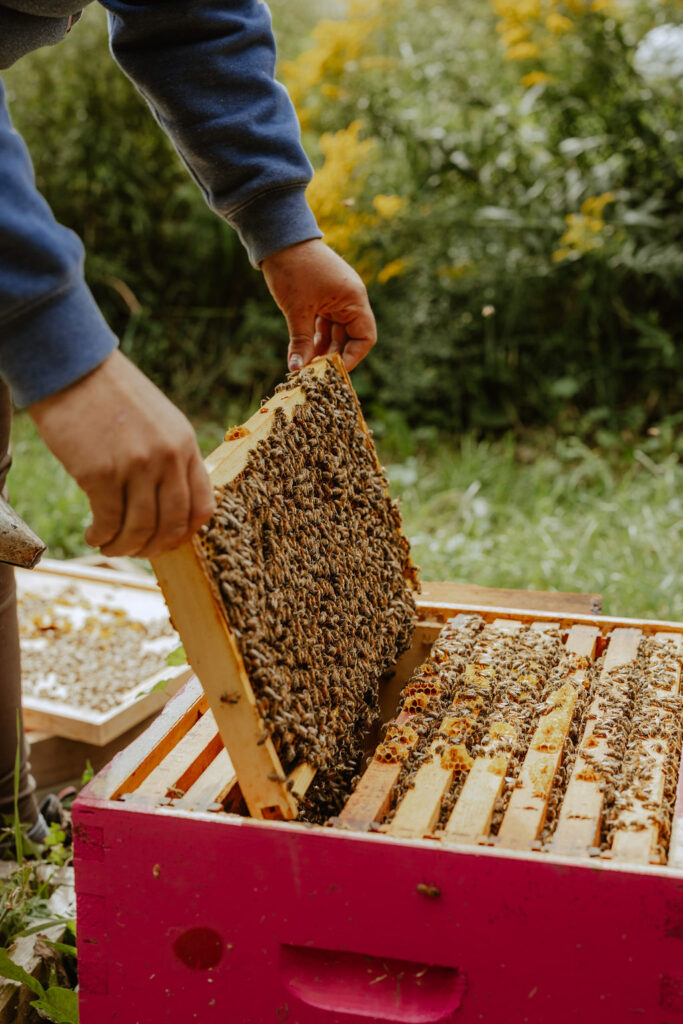
We often hear that pollinators are essential—but can you break down just how directly they impact what ends up on our plates day to day?
Pollinators, including honeybees are absolutely essential to our food system, about one in every three bites of food we eat depends on them.
If you walk through the produce aisle, a huge portion of what you see..berries, apples, cucumbers, cherries, squash, even canola oil, exists because of pollinators. It’s especially noticeable in the summer, when so much of that fresh, vibrant food is there because of their work, even if we don’t always think about it.
The stat that one in five pollinator species is at risk is pretty alarming—what’s driving that decline, and how urgent is the situation right now?
It’s really a combination of pressures happening all at once.
Habitat loss is a major factor, along with climate change and more unpredictable weather patterns that affect bloom timing and food availability. There are also challenges like parasites, varroa mites in particular, that put stress on honey bee populations.
Pesticide use is another important piece, especially neonicotinoids, which have been shown to impact bee health and their ability to forage and navigate.
On top of that, we’re seeing a loss of floral diversity, which means fewer consistent food sources throughout the season.
It’s definitely urgent, but it’s also something we can actively improve if we start rebuilding those ecosystems.
For someone who wants to help but doesn’t know where to start, what’s the simplest way to create a pollinator-friendly space at home?
First, I always like to remind people, you can make a difference. It doesn’t have to be a big act to matter.
Start with plants. Even a few flowers in containers or a small garden can provide meaningful habitat for pollinators.
What matters most is variety. Choosing pollinator-friendly flowers that bloom at different times throughout the season, so there’s always something available from early spring through late fall. Pollinators need consistent access to food, and even small spaces can help support that.
A helpful tip is to look for plants labeled “pollinator-friendly” when you’re shopping at local greenhouses or garden centres. More growers are starting to highlight these options, which makes it easier for people to choose plants that are actually beneficial for bees and other pollinators.
And don’t be afraid to ask questions, simple things like whether the plants have been treated with pesticides or are safe for pollinators can go a long way.
As you start to learn more, you’ll also hear a lot about native plants, which are especially important because they’re naturally suited to your region and tend to offer the best support for local pollinators.
You mention planting native wildflowers—why is “native” so important, and how can people choose the right ones for their region?
Native plants are part of the natural ecosystem, they’ve evolved alongside local pollinators over time.
Because of that, they’re not only better suited to the climate, but they also provide the type of nectar and pollen that pollinators actually rely on. Not all flowers are created equal. Some ornamental plants may look beautiful, but they don’t always offer the same nutritional value or accessibility for bees.
Native plants are essentially their original food system.
Another important piece is timing. Pollinators need food from early spring through late fall, and native wildflowers naturally support that cycle when you plant a mix of early, mid, and late-blooming species.
Through our Let’s Plant campaign, we’ve curated native seed mixes by region across Canada to make this easier. So depending on where you live, that might include plants like yarrow, asters, milkweed, or prairie crocus, species that are already adapted to thrive locally and support pollinators in a meaningful way.
It really comes down to choosing what naturally belongs in your environment. Even a small shift toward native plants can have a big impact over time.
Is there a “right way” to plant wildflowers to actually make an impact—like spacing, clustering, or location tips people might not know?
One of the most helpful approaches is thinking about bloom timing. Having a mix of flowers that bloom at different stages of the season helps ensure pollinators have continuous access to food. Clustering plants together can also help because it makes them easier to locate when pollinators are foraging. It’s less about precision and more about consistency over time.
For people with limited outdoor space, what are some creative ways to support pollinators without a traditional garden?
Even without a garden, you can still create places that support pollinators by working with whatever outdoor space you do have. Things like railing planters, hanging baskets, or even shared community spaces can all introduce pollinator friendly flowering plants where there weren’t any before. Those small spaces still connect into the larger ecosystem in a meaningful way.
What are some everyday products or habits people can shift—beyond planting—that meaningfully support pollinator health?
Supporting Canadian beekeepers is one of the most direct ways people can make an impact.
When you purchase Canadian honey, you’re not just buying a product, you’re supporting the beekeepers who help maintain the pollination services our food system depends on.
Beyond that, being mindful of pesticide use around your home, choosing organic where possible, and supporting practices that encourage biodiversity all play a role.
A lot of it comes back to the environments we create, often without realizing it, and whether they support or limit pollinators over time.
The Let’s Plant campaign focuses on collective action—how powerful can small individual efforts really be when scaled across communities?
Small actions really do add up over time. Planting a few pollinator friendly flowers, making small shifts in how we think about outdoor spaces, or supporting pollinator health in simple ways might feel minor on their own, but when many people are doing it together, it creates something much larger.
That idea is really at the heart of Let’s Plant. It’s our third year of Let’s Plant and it gets bigger and better every year. We partnered with Sierra Club Canada, who are helping guide the best seeds to plant, and together we’re aiming to plant over 10 million seeds across the country, with their incredible group of volunteers actioning this across Canada. Seeing a community effort like that is what really drives me as an entrepreneur.
For families or beginners, how can planting for pollinators become a fun, ongoing ritual rather than a one-time activity?
I love this question!
It naturally becomes something ongoing when you follow the seasons. Planting in spring, watching what grows, and noticing what bees are drawn to turns it into a bit of a rhythm. For families, it’s also just those everyday moments, like being outside together and noticing what’s happening around you, that tend to stick. Take your kids on walks, have them notice what is popping around them (signs of flowers blooming, bees pollinating, butterflies fluttering around). Then talk to them about what they are seeing in the grocery stores and at home on the plate.
That’s how you build awareness and connection, especially for kids. When people understand why it matters, it naturally becomes something they continue for that next generation.
If you could give Canadians one “do this today” action to support pollinators this spring, what would it be—and why?
Pay attention to what’s already blooming around you, and choose one thing you can add that will extend that. A single plant, or even swapping part of an existing space to something that flowers, is enough to start. Pollinators are always moving through landscapes looking for what’s available, so increasing that availability in even a small way is a direct contribution. It’s less about doing something big, and more about adding one more piece into what already exists.
share:

May 3rd, 2026 at 12:12 pm
I pulled out a stack of cards to check their value and quickly realized how time-consuming manual searches can be. Somewhere in the middle I tried a pokemon card scanner app, and it made the whole process much smoother. Instead of typing in every card name, you just scan and get a quick estimate right away. It’s especially helpful when sorting through a large collection and trying to understand what’s worth more. The accuracy isn’t perfect on every card, but it’s good enough for everyday use. Overall, it really helps save time and makes managing a collection easier.