
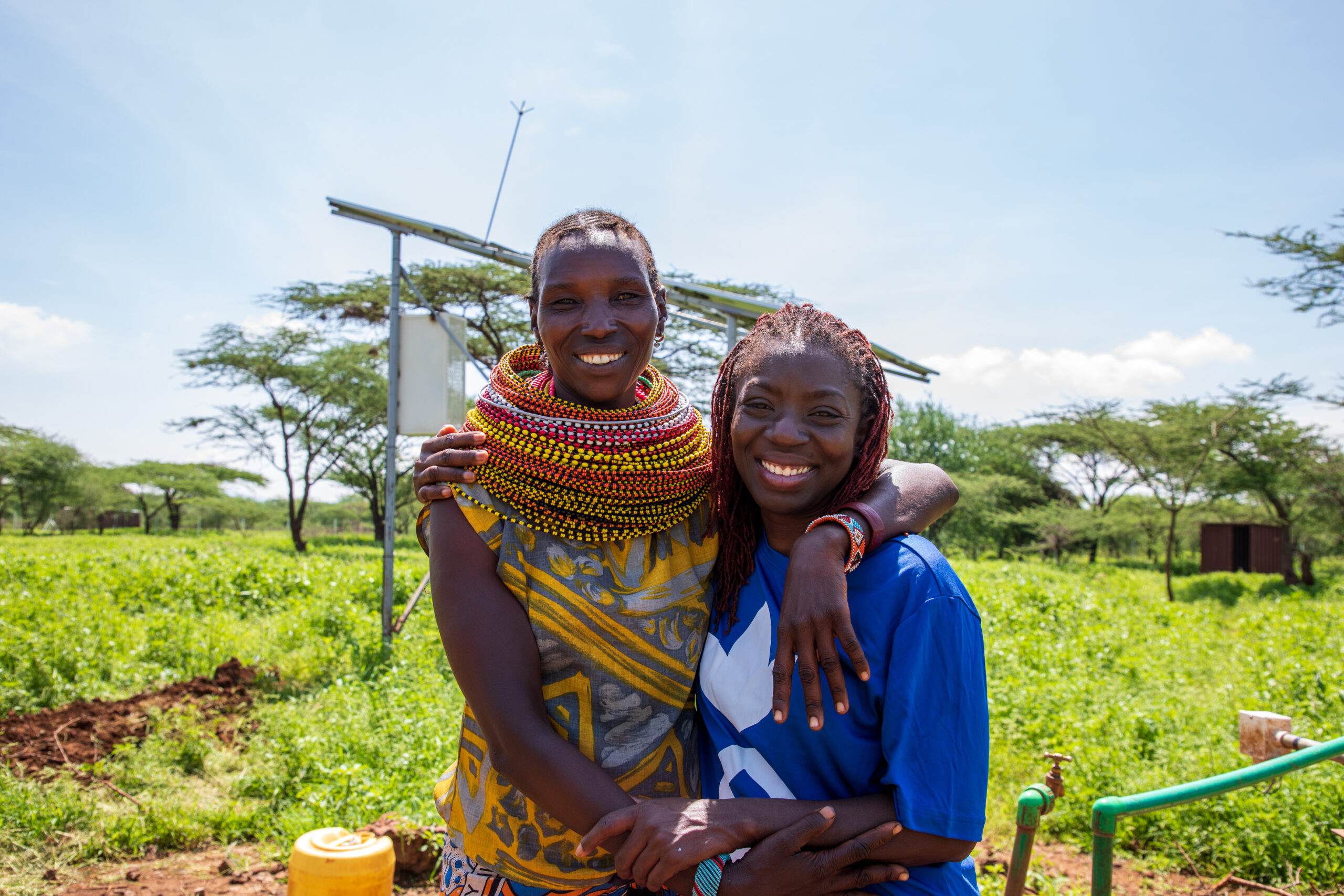
What does it mean to truly cherish a child—at home, and around the world? Onome Ako lives at that intersection, balancing motherhood with leading a global humanitarian mission. From her children’s book I Am Cherished, inspired by her daughter, to her work supporting mothers facing impossible choices, her story is one of purpose, identity, and impact. In this powerful Q&A, she shares what motherhood has taught her about leadership—and why the act of caring for a child is never something to take for granted. —Noa Nichol
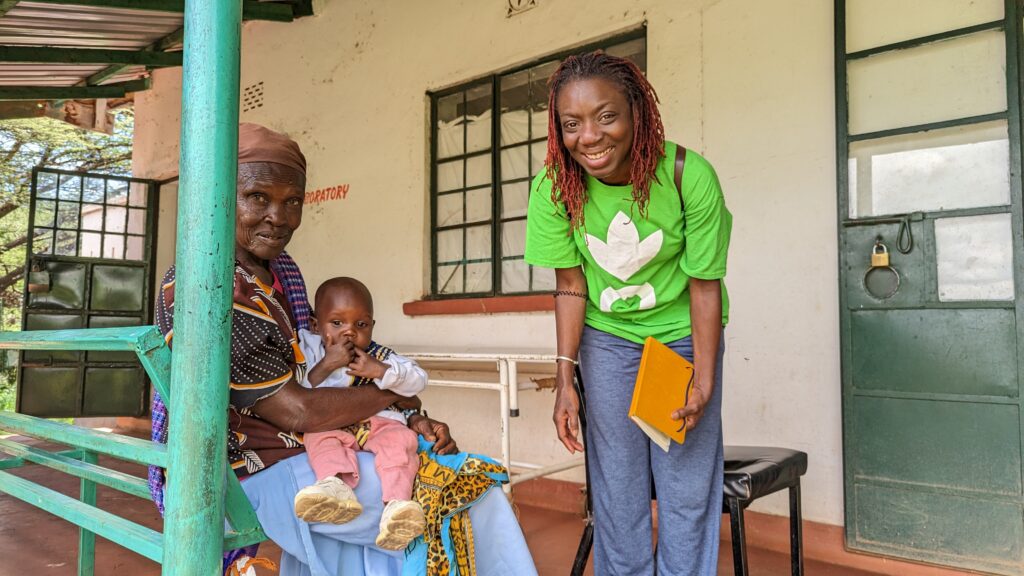
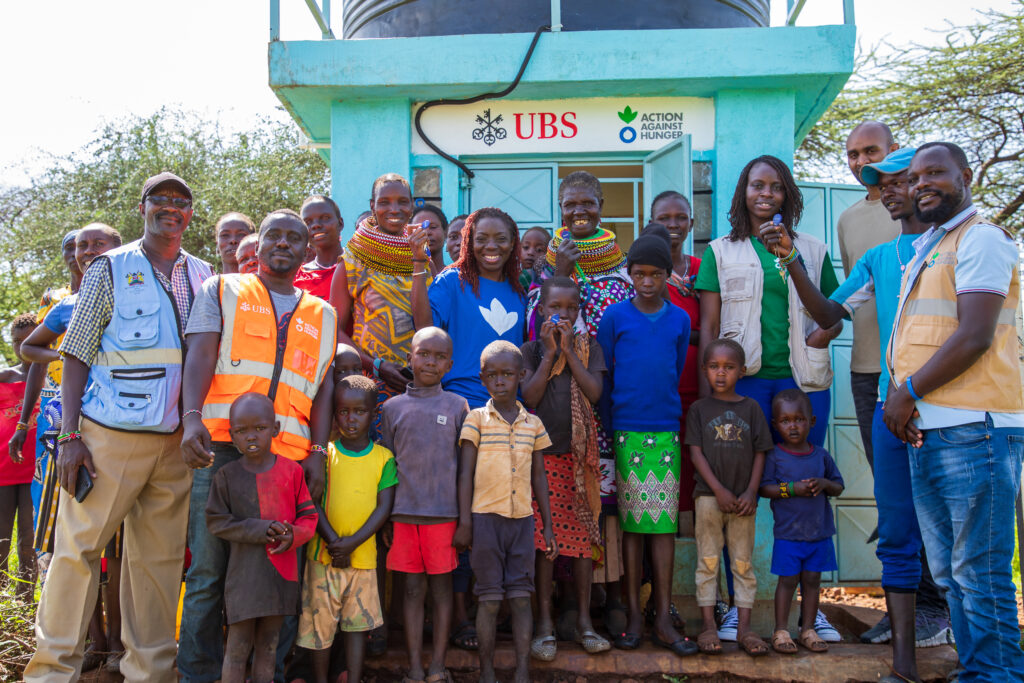
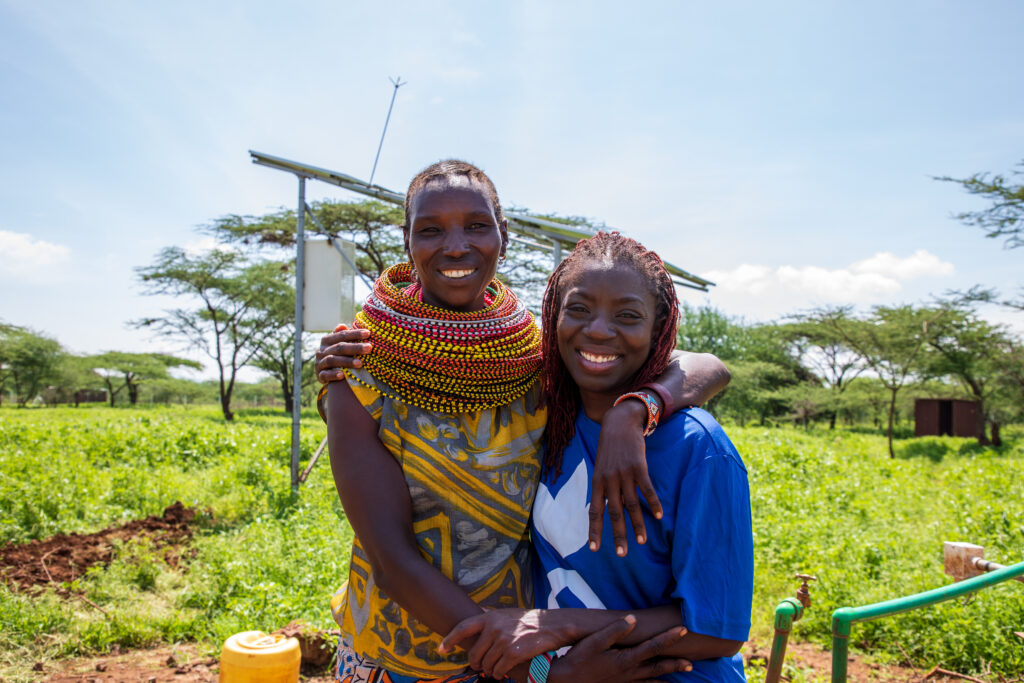
Your book I Am Cherished was inspired by your daughter Morenike — what moment made you realize her story needed to be shared with the world?
Honestly, it began the moment she was born. When I announced her name, I was met with responses I had not expected. People asked me why I would choose such a difficult name for my child. They asked whether I worried she would be bullied, or whether her name might affect her career one day. I have watched the same thing happen to people around me, who have shortened or changed their names so they would not be othered.
For years, I had been gently correcting people who shortened Morenike’s name, replaced it with her middle name, or assumed it was too difficult to learn. And consistently, I would have the same quiet conversation with her about why her name mattered.
The shift came when I watched her begin to do it for herself. At her swimming lesson one afternoon, her instructor tried to say her name and got it wrong. She corrected him, calmly, more than once, until he got close enough. She gave a small nod of approval and kept going.
That moment told me she was beginning to understand what we had been talking about all along. Her name was a gift, and it was hers to defend. I wanted other children, and the adults in their lives, to have that same conversation a little earlier than we had to.
The name Morenike means “I am cherished” — how has that meaning shaped the way you approach motherhood?
I whispered the name long before she was born, during a pregnancy that was difficult and at times traumatic. The name was a promise to her and to myself. She would be cherished, always. I wanted her to carry that boldness into the world.
Motherhood, for me, has been about helping her grow into that meaning rather than asking her to live up to it. Cherishing is, in my view, more than affection. It is the steady, unglamorous work of making a child feel seen, of protecting her sense of who she is when the world around her offers easier, but inauthentic, alternatives.
As a Nigerian-Canadian woman, how has your heritage influenced the way you think about identity, belonging, and raising a child in Canada?
In most Nigerian cultures, including the Yoruba, names carry stories. When you hear a Yoruba name, you can trace the family’s history, the circumstances of the birth, and the hopes and dreams the parents and family hold for the child. A name spoken properly is a piece of someone’s history.
Raising a child in Canada has meant teaching her that her name is not an inconvenience to be smoothed over for someone else’s comfort. It has also meant teaching her that belonging is something she carries with her, not something she has to earn from rooms that were not built for her.
My own names, Onome and Oritsetemi, mean “this is mine” and “God has not shamed me.” I have carried those meanings through every chapter of my life, including my career. I want her to carry hers in the same way.
You lead a global organization fighting hunger — how has becoming a mother changed the way you see the work you do every day?
It made the work less abstract. Before Morenike, I understood the figures. After her, I understood what those figures cost.
When I read that 150 million children under five are affected by stunting, or that prevention services for mothers and infants in places like South Sudan have been cut by nearly half in a single year, I think about what it would mean if my own daughter were on the other side of those numbers. Every child counted in those statistics is someone’s Morenike. That recognition shapes how I lead, how I speak with donors, and what I am willing to fight for.
And in reverse, how has your work with mothers around the world shaped the kind of parent you are at home?
It has made me less anxious about the small things and more deliberate about the meaningful ones. The mothers I have met through this work, in the most difficult contexts imaginable, have shown me what real love under unimaginable pressure looks like. Some are making decisions every day about who in the family gets to eat the more nutritious food, or going without themselves so that their children can eat. These are decisions I will, gratefully, never have to make.
That perspective makes me want to be present for my daughter in the ways that matter most. To listen carefully. To take her name seriously. To remind her that she is cherished, not because life will always be easy, but because she carries something her ancestors gave her, and she gets to decide what to do with it.
You’ve met women facing unimaginable challenges just to feed their children — are there any stories that have stayed with you and changed you?
Most recently, I was in Syria last fall, where I met a mother and her baby through one of our programs. The baby was severely malnourished. Our team did a follow-up visit a short time later, and the child had improved, but was not out of the proverbial woods yet.
What stayed with me was sitting with two truths at the same time. As a mother, my heart broke watching how discouraged she was. As an aid worker, I could see clearly that progress was being made and the child was on the way to recovery. Both things were true. That mother is still with me, every time I think about why this work matters.
This Mother’s Day, many families are celebrating, while others are struggling to meet basic needs — how do you personally hold space for both realities?
I have a 10-year-old, and I want her to be aware of the world she is part of. So at home, we cook, and we play games.
One of her favourites right now is Lebanopoly, a Lebanon-themed Monopoly I picked up on a trip there last fall. It maps out the country through its cities and landmarks, and it gives me the opportunity, while we are playing, to talk to her about the mothers I met when I was in Lebanon. We talk about the beauty of the country, and we talk about the cycles of conflict and instability that have once again upended daily life. Nearly a million people have been displaced in recent weeks, more than 350,000 of them children. Many of those children are no longer in classrooms or at home playing. They are in shelters, sometimes in schools repurposed for displaced families.
Sitting across from my daughter while we play, it strikes me every time that she understands both. The joy of being a child, and the realities shaping the lives of other children around the world. Holding both is, I think, what it means to be a mother in the world we actually live in.
For Canadian mothers reading this, what’s one small but meaningful way they can connect to or support mothers globally?
Talk to your children about it. Mother’s Day is a natural moment to introduce the idea that there are mothers around the world who love their children just as fiercely, and who are working through circumstances that no parent should have to navigate alone.
Beyond that, support the organizations doing the work. Action Against Hunger Canada is one of them. Donations matter, but so does attention. Share what you read. Ask questions. The mothers we work with do not need pity. They need partners, and the more Canadians who see themselves in that role, the more we can do.
Your writing and your leadership both centre on voice and visibility — what does it mean to you to raise a daughter who feels seen, heard, and proud of who she is?
It means a great deal, because I know what it costs when those things are missing. Many of us learned to make ourselves smaller before we learned to take up space. I want my daughter to skip that step.
Raising a daughter who feels seen is not about constant affirmation. It is about making sure the people around her get her name right, that her stories are listened to, that the rooms she enters are willing to make space for who she actually is. The rest, she will build for herself.
When you think about the word “cherished” today — not just as a title, but as a value — what does it mean to you now, as a mother and as a global leader?
Cherished, to me, means being treated as though you matter without having to prove it. It is what I want for my daughter, and it is what I want for every child our organization serves.
In leadership, it shapes the kind of culture I try to build. In motherhood, it shapes the kind of home I try to create. In the world, it is the standard I think we should be measuring ourselves against.
Are the most vulnerable among us, the children, the mothers, the families furthest from power, being treated as cherished? When the answer is yes, we are doing this right.
share:

May 7th, 2026 at 11:05 pm
SPIN189 LOGIN https://about.me/spin189
May 29th, 2026 at 1:05 am
La page est agréable à parcourir, car rien ne semble excessivement compliqué ni surchargé. Après avoir passé du temps sur Geometry Dash, l’ensemble du déroulé m’a semblé naturel et simple à suivre.