
Okanagan Crush Pad is rethinking wine clubs, regenerative farming and even Chardonnay—and the future of BC wine looks brighter because of it.
The wine industry has long been built on exclusivity.
Private allocations. Members-only releases. Waiting lists designed to make consumers feel lucky simply to get in.
But at Summerland’s Okanagan Crush Pad, the team behind Haywire Wines is turning that model on its head—not by abandoning exclusivity altogether, but by redefining what loyalty actually looks like.

Jon Adrian. Architectural, winery and lifestyle photographer. Okanagan Photographer / Okanagan Wine Initiative / Okanagan Crush Pad Winery / Haywire Winery 
Jon Adrian. Architectural, winery and lifestyle photographer. Okanagan Photographer / Okanagan Wine Initiative / Okanagan Crush Pad Winery / Haywire Winery 
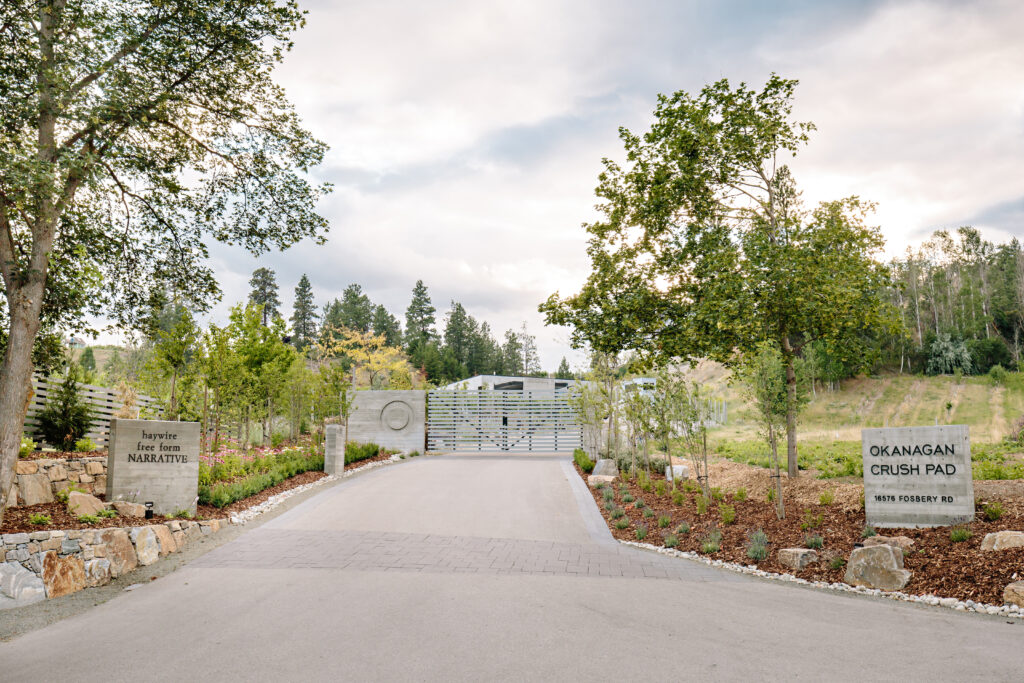
Jon Adrian. Architectural, winery and lifestyle photographer. Okanagan Photographer / Okanagan Wine Initiative / Okanagan Crush Pad Winery / Haywire Winery 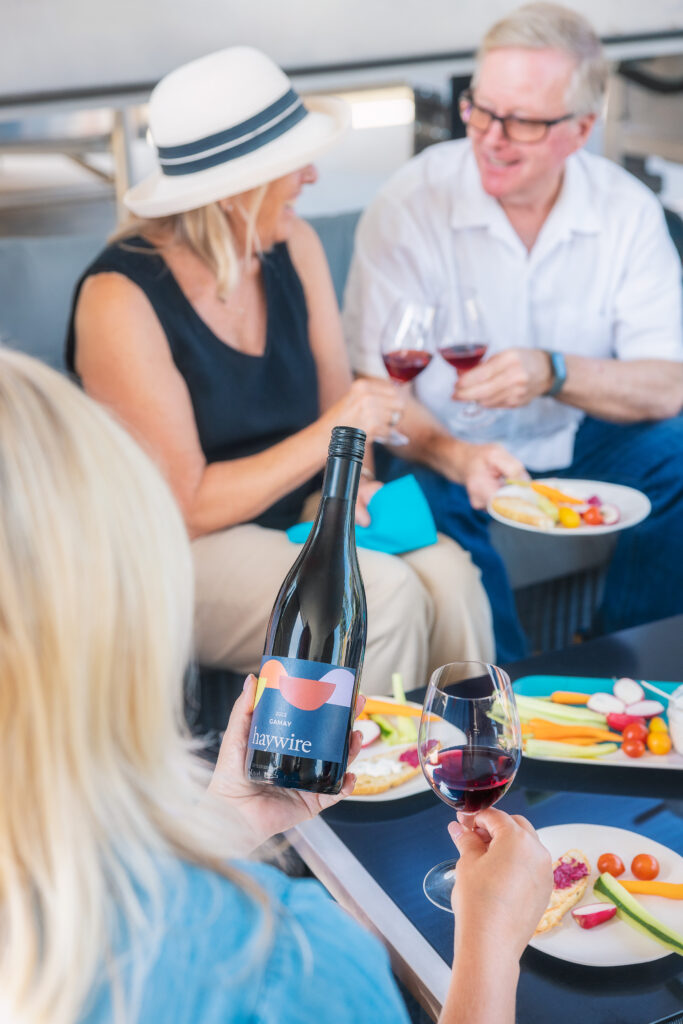
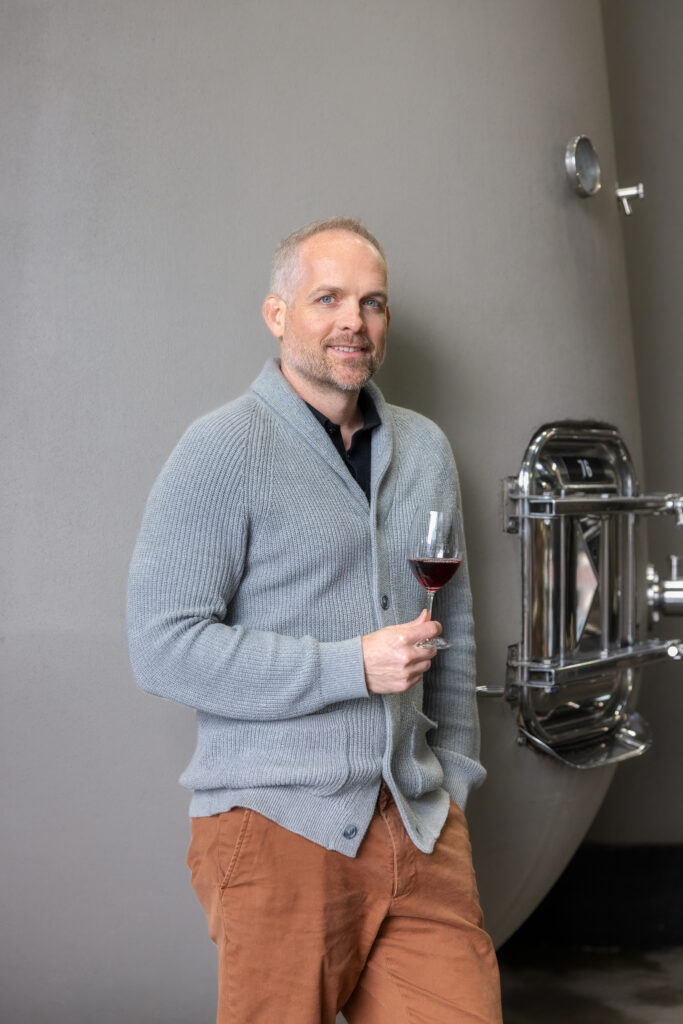
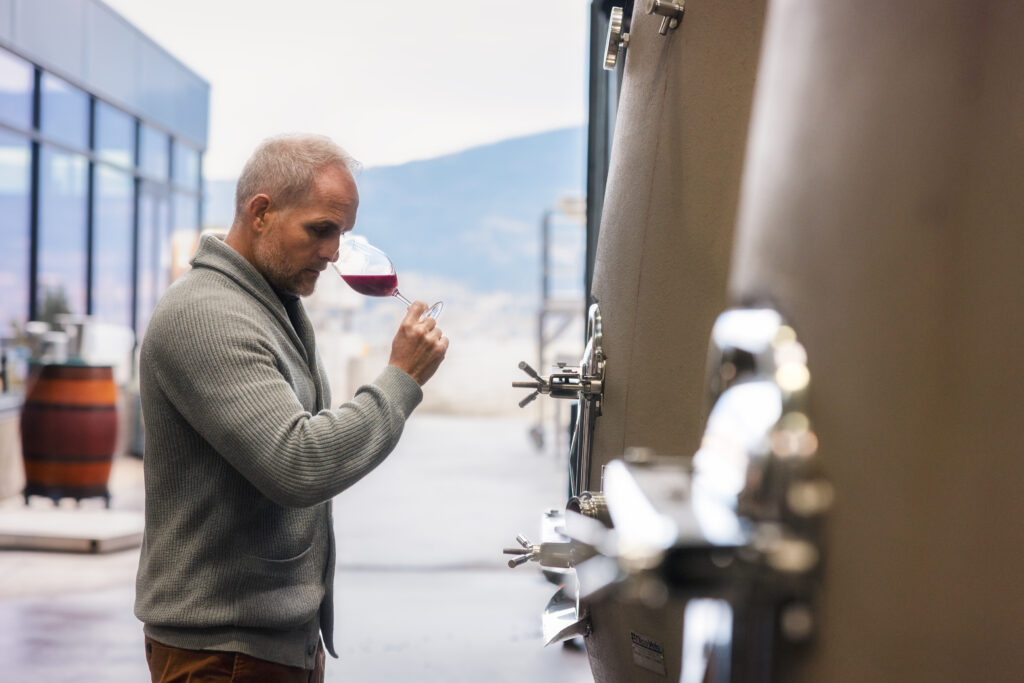
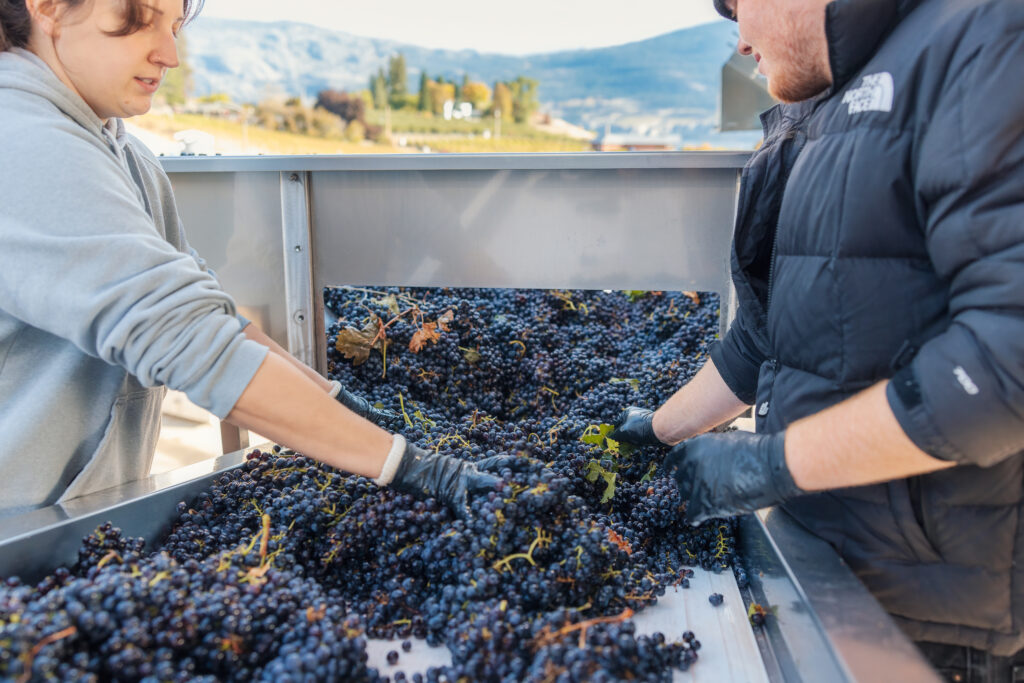
In an era where consumers are scrutinizing every subscription, seeking greater flexibility and becoming increasingly curious about how their food—and wine—is produced, Haywire is making a series of surprisingly bold moves. The winery recently capped its wine club rather than chasing endless membership growth, launched a commitment-free monthly wine program called Take It or Leave It, doubled down on regenerative farming practices, and continues to champion a style of Chardonnay that defies decades of outdated assumptions.
Together, the initiatives paint a picture of a winery that’s less interested in following industry convention than in building lasting trust.
“We’re not trying to copy someone else’s model,” says Andrew Raines, Chief Operating Officer at Okanagan Crush Pad. “What excites me is that BC wine feels like it’s becoming more confident and more honest.”
Less Pressure, More Loyalty
At a time when many wineries measure success by continually expanding their wine clubs, Haywire has deliberately pressed pause.
The winery has capped memberships and introduced a formal waitlist—a decision that may seem counterintuitive until you hear the reasoning behind it.
“At a time when a lot of wineries are chasing club growth, we felt the more honest move was to protect the experience,” says Raines. “A wine club should feel personal and valuable—not like another subscription someone forgot they signed up for.”
The decision reflects a broader shift in consumer behaviour.
“We were seeing that the pool of consumers ready for a traditional club commitment is smaller than it once was, especially in the Okanagan, where people have so many choices,” he explains. “So we capped the club, created a waitlist and decided to focus on serving loyal members well rather than chasing low-intent signups.”
It’s a refreshingly candid acknowledgement that modern consumers aren’t necessarily looking for more subscriptions—they’re looking for better relationships.
A Wine Club Without the Commitment
To complement the capped club, Haywire has introduced Take It or Leave It, a monthly wine offer designed for drinkers who still crave discovery—but without obligation.
It’s a subtle shift that feels remarkably in tune with the way many Canadians now shop.
“Today’s wine drinkers still want discovery, but they don’t always want obligation,” says Raines. “They might be travelling, watching spending more closely or simply wanting to try before they commit.”
Instead of recurring shipments and membership requirements, customers simply decide each month whether they want that month’s featured wines.
“It reflects how people actually shop now,” he says. “They want good value, a good story and the ability to say yes when it suits them.”
The approach also signals a philosophical shift within the wine industry itself.
“Exclusivity has its place,” Raines says, “but I think the future is less about locking people in and more about giving them a reason to come back.”
“Loyalty now is earned one bottle, one shipment, one experience at a time. If someone opens a bottle of Haywire at home and it overdelivers, that does more for loyalty than any membership mechanic.”
Farming for the Next Generation
The same long-term thinking extends beyond customer relationships and into the vineyards themselves.
Regenerative farming has become one of the wine world’s favourite buzzwords, but at Okanagan Crush Pad, it’s been quietly guiding decisions for years.
“For us, regenerative farming is not a campaign line,” says Raines. “It is the daily work of treating the vineyard as part of a larger ecosystem.”
At Garnet Valley Ranch, that philosophy extends far beyond grapevines.
Vegetable gardens, lavender fields, bee colonies, ponds, wildlife corridors and preserved native habitat all work together to create a healthier, more resilient landscape.
“The goal is to farm in a way that makes the land more resilient over time—not just productive for one vintage.”
Nature, it turns out, often rewards patience.
“We’ve used integrated pest management, including ladybugs and praying mantis eggs, and those beneficial insects help control pests like leafhoppers and aphids naturally,” says Raines. “We also plant flowers that draw certain insects away from the vines.”
“It’s not instant, and it’s not always tidy, but when you see the vineyard becoming more alive and more balanced, it reinforces that patience matters.”
Why Wine Drinkers Should Care About Farming
Consumers increasingly ask where their food comes from—but wine has largely escaped the same scrutiny.
Raines believes that’s beginning to change.
“People ask where their food comes from because they understand that farming matters,” he says. “Wine is no different.”
“The way a vineyard is farmed affects the health of the land, the resilience of the vines and ultimately the character of the grapes.”
Healthy soils produce healthier vineyards—and more expressive wines.
“If you care about flavour, you should care about farming,” he says. “If you care about the future of wine in the Okanagan, you should care about farming even more.”
It’s Time to Rethink Chardonnay
Perhaps nowhere is Haywire’s philosophy more evident than in its Chardonnay.
For years, many consumers proudly identified as members of the “ABC” club—Anything But Chardonnay—associating the grape with buttery, heavily oaked wines that dominated decades ago.
Haywire is hoping to change that perception.
“Chardonnay probably suffered because people associated it with one very specific style: heavy oak, butter and richness,” says Raines.
“But Chardonnay is one of the most transparent and versatile grapes in the world.”
Haywire’s signature unoaked Chardonnay allows the fruit and vineyard to take centre stage.
“What surprises people most is how expressive Chardonnay can be without heavy oak,” he says. “When you remove that layer, the fruit, acidity, vineyard and texture come forward.”
Far from feeling austere, the wines reveal remarkable complexity.
“People expect something simple or sharp because it’s unoaked, but a well-made unoaked Chardonnay can still have depth, structure and length. It lets the vineyard speak more directly.”
The Future of BC Wine
British Columbia has spent the past decade earning international recognition for wines that authentically express place.
For Raines, that’s only the beginning.
“BC’s story is not one grape,” he says. “Pinot Gris has been important, Pinot Noir can be beautiful in the right sites, Riesling and Gamay have huge potential, and Syrah tells a compelling story in warmer pockets.”
“But Chardonnay deserves to be part of that conversation because it is so good at transmitting place.”
Looking ahead, he’s optimistic—not just about Haywire, but about the province’s wine industry as a whole.
“What excites me is that BC wine feels like it’s becoming more confident and more honest,” he says.
“At Haywire, that means building a more thoughtful relationship with customers, farming in a way that supports the future of the land, and making wines that reflect where they come from.”
“Over the next five years, I think the strongest wineries will be the ones that earn trust through transparency, quality and consistency.”
In an industry built for generations rather than seasons, that may prove to be the boldest strategy of all. —Noa Nichol
share:

Be the first to comment