
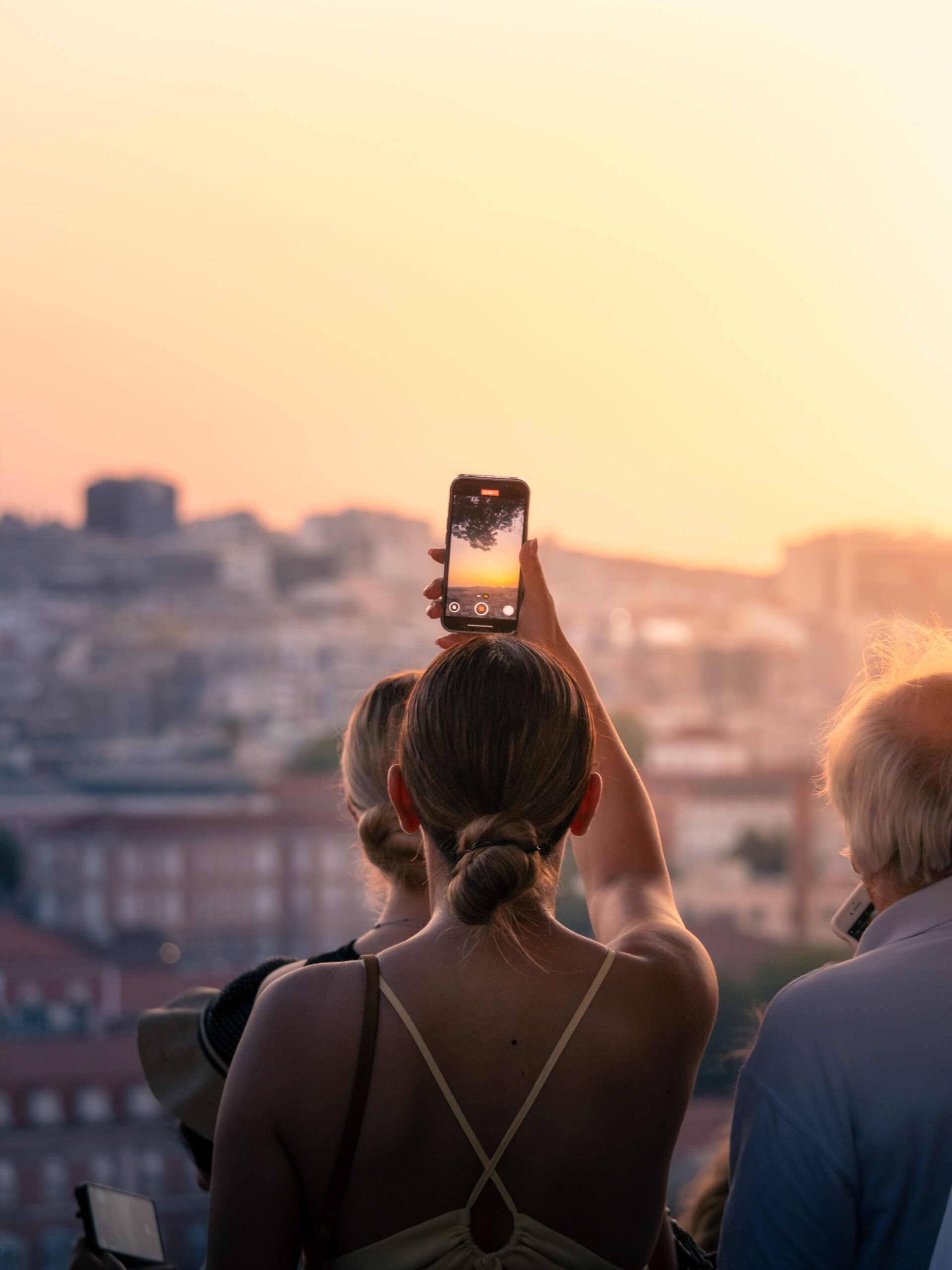
Central Europe is a treasure trove of history, culture, and scenic beauty, yet many visitors to the region often find themselves flocking to the same well-known destinations. Cities like Prague, Vienna, and Budapest are iconic for a reason, offering stunning architecture, rich cultural heritage, and vibrant atmospheres. However, if you venture beyond these famous locations, you’ll uncover a wealth of lesser-known gems that are just as enchanting. Whether you’re seeking charming small towns, picturesque landscapes, or historical sites off the beaten track, Central Europe offers a multitude of surprises. Here’s a guide to some of the hidden treasures waiting for you.
From Munich to Salzburg: A Scenic Journey Through Bavaria
When considering a trip through Central Europe, many travellers opt for famous routes like the train from Munich to Salzburg. While these two cities are widely celebrated, the journey between them is equally spectacular, offering a chance to see parts of Germany and Austria that are often overlooked by tourists.
The train journey itself is a treat, taking you through the rolling hills and dense forests of Bavaria before reaching the quaint town of Salzburg, nestled beneath the towering Alps. Though Salzburg is well known for its association with Mozart and its baroque architecture, there are hidden corners of this beautiful city that are worth discovering.
Instead of the crowded streets of the Old Town, consider exploring some of Salzburg’s less touristy spots. The Hellbrunn Palace and its surrounding gardens offer a peaceful retreat with their unique trick fountains, while the Mönchsberg mountain provides stunning views over the city and is home to fewer tourists than the famous Hohensalzburg Fortress. Another hidden gem is the St. Peter’s Abbey, one of the oldest monasteries in Austria, where you can escape the crowds and enjoy the tranquil surroundings.
Prague to Vienna: A Journey Through Bohemia
Travelling by Prague to Vienna train is another scenic route that brings you through some of Central Europe’s lesser-known landscapes. The train ride offers travellers the chance to experience the beauty of the Czech and Austrian countryside, dotted with picturesque villages, sprawling vineyards, and undulating hills.
While Prague and Vienna are both renowned cultural hubs, the areas between the two cities are often overlooked. One of the most captivating towns along the route is Telč, located in the South Moravian region of the Czech Republic. This charming town is known for its UNESCO-listed town square, surrounded by colourful Renaissance buildings. Its well-preserved medieval layout and stunning architecture make it feel like stepping into a fairy tale.
In Austria, make a stop at Krems an der Donau, a town situated along the Danube River in the wine-producing region of Lower Austria. Krems is home to a rich history of winemaking, and its narrow streets are lined with delightful cafés and boutique shops. The town also offers access to the Wachau Valley, a UNESCO World Heritage site that boasts vineyards, castles, and charming villages. It’s an ideal spot to slow down, sip local wine, and soak in the picturesque surroundings.
The Enchantment of Český Krumlov
In the Czech Republic, a few hours’ drive from Prague, lies one of the country’s most enchanting hidden gems: Český Krumlov. This fairy-tale town, located in the South Bohemian region, is a UNESCO World Heritage site known for its well-preserved medieval architecture and stunning river views. While it may have a small tourist following, it’s still very much off the beaten track compared to larger cities like Prague.
Český Krumlov is a town that seems frozen in time, with narrow cobbled streets, charming squares, and a spectacular castle overlooking the Vltava River. The Český Krumlov Castle is one of the largest in the country and features a unique combination of Renaissance, Gothic, and Baroque architecture. The castle’s tower offers panoramic views of the town and surrounding countryside.
Beyond the castle, take a walk along the riverbanks or visit one of the local artisan shops where you can find handmade crafts and souvenirs that reflect the town’s traditional craft heritage. A boat ride along the Vltava offers a unique perspective of the town and is a peaceful way to experience its natural beauty.
Hidden Corners of Budapest: The City Beyond the Danube
Budapest, often called the “Paris of the East,” is famous for its dramatic views along the Danube River, its thermal baths, and its striking architecture. However, there are parts of the city that remain relatively unknown to the masses, offering a more intimate and authentic experience.
One of the most fascinating hidden gems in Budapest is the Hospital in the Rock Nuclear Bunker Museum. Tucked beneath the Buda Castle, this underground facility was once a hospital and later a nuclear bunker during the Cold War. A guided tour through its eerie corridors and rooms filled with historical artefacts is an eye-opening journey into Hungary’s more recent history.
For a peaceful escape, head to Margaret Island in the middle of the Danube. While many tourists flock to the city’s main attractions, Margaret Island remains a quieter retreat where you can enjoy peaceful walks through gardens, historic ruins, and even a music fountain that plays classical tunes in the evenings. It’s an ideal spot for relaxation, away from the bustle of the city.
A Taste of Slovenia: Ljubljana and Beyond
Slovenia is one of Europe’s best-kept secrets, and Ljubljana, the country’s capital, is a city that often gets overlooked by tourists in favour of more famous European capitals. However, Ljubljana is a city full of charm, with a pedestrianised old town, lovely bridges over the Ljubljanica River, and a vibrant café culture. The Ljubljana Castle offers a fantastic view of the city, while Tivoli Park provides a relaxing escape with its wide green spaces and picturesque walking paths.
Just outside the capital, Slovenia is home to some stunning natural wonders that make it a must-visit destination for nature lovers. Lake Bled, with its iconic island church and cliffside castle, is undoubtedly one of the most photographed locations in the country. Yet, a short drive from there, Lake Bohinj offers a quieter and equally beautiful alternative, surrounded by the peaks of the Julian Alps.
For a true off-the-beaten-path experience, head to Škocjan Caves, a UNESCO World Heritage site that features one of the largest underground canyons in Europe. Exploring the caves will take you through a labyrinth of tunnels, waterfalls, and vast chambers, providing a glimpse into Slovenia’s incredible natural heritage.
Conclusion: Central Europe Awaits
Central Europe is brimming with hidden treasures that are waiting to be explored. From the medieval charm of Český Krumlov to the underground secrets of Budapest, Central Europe offers much more than its well-known tourist cities. By stepping off the tourist trail, you’ll uncover a wealth of history, culture, and natural beauty that will make your travels truly unforgettable. So, next time you plan a trip to Central Europe, consider exploring beyond the usual spots and discover the hidden gems that make this region so unique.
share:

Be the first to comment